


Tabla de contenido
Allí donde las carreteras se alargan cada año, mantener la seguridad de las personas se vuelve más difícil. No se trata solo de barras metálicas junto a los carriles: estas barreras determinan el flujo del tráfico. Donde los autos circulan a gran velocidad, una clara separación entre el caos y el control suele significar menos accidentes. Piense en las esquinas de las ciudades o en los largos tramos a las afueras: las vallas cambian lo que sucede cuando las cosas salen mal. La protección no es pasiva. Se manifiesta como guía, como límites, como algo que apenas se nota hasta que se vuelve importante.
Además de mantener los coches en el carril, las vallas viales dirigen a los peatones hacia zonas más seguras. A menudo, establecen una clara separación entre peatones y conductores sin llamar la atención. Cuando aumenta la velocidad, estas vallas actúan con discreción, evitando que pequeños errores se conviertan en grandes accidentes. Sin ellas, los tramos de alta velocidad se vuelven peligrosos de maneras que la mayoría pasa por alto hasta que ocurre un accidente. Estas estructuras permanecen listas, cumpliendo su función de manera constante donde, de otro modo, podría reinar el caos.
1. Tipos de vallas de seguridad vial
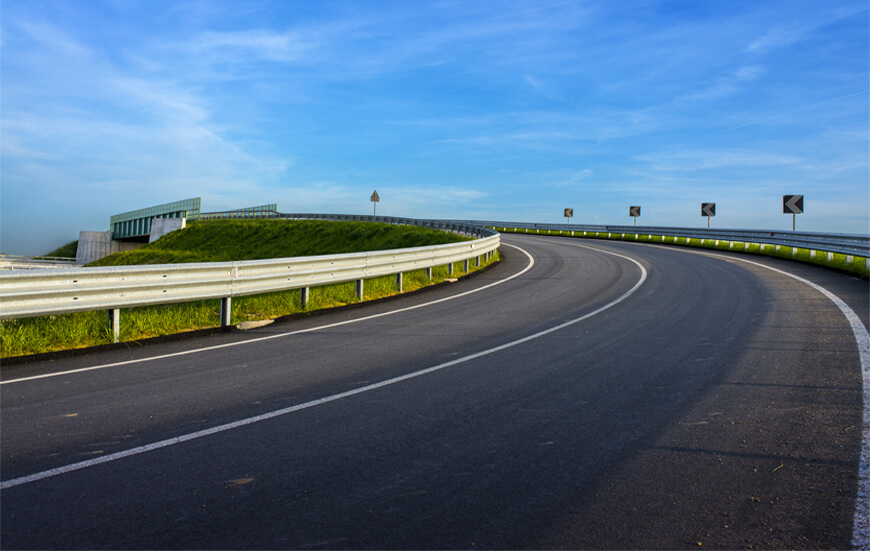
Las vallas a lo largo de las carreteras tienen diferentes formas según lo que garantice la seguridad de las personas. Un tipo es adecuado aquí, otro allá; la velocidad de los coches, la curvatura de la calle e incluso los árboles cercanos pueden determinar cuál es la mejor opción.
Vallas tipo barrera
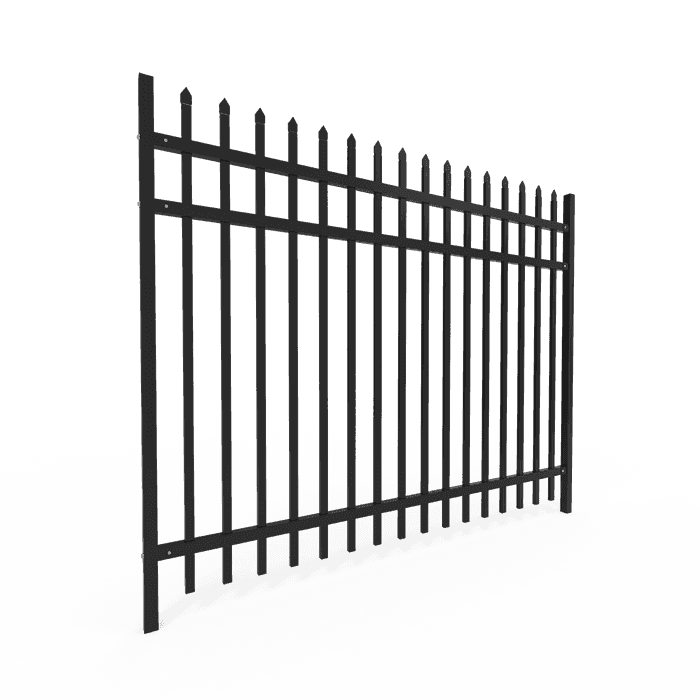
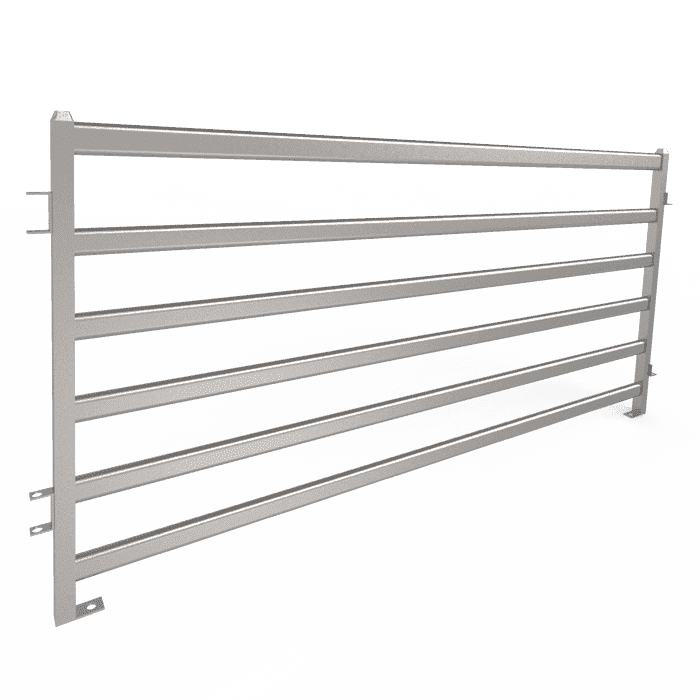
Las vallas que actúan como muros son frecuentes en las carreteras más transitadas. Construidas para mantener los vehículos en su carril, estas estructuras evitan colisiones en zonas peligrosas cerca del pavimento. Las barandillas metálicas son muy efectivas, ya que, aunque se doblan un poco, son resistentes, absorben la fuerza del impacto y guían a los vehículos de vuelta a salvo. Para una protección sólida, las de hormigón son muy firmes, ideales para medianas o zonas que requieren un control estricto. En las obras, suelen aparecer con frecuencia las de plástico ligero; su instalación y transporte son sencillos, lo que resulta útil en proyectos de corta duración.
Vallas flexibles, semirrígidas y rígidas
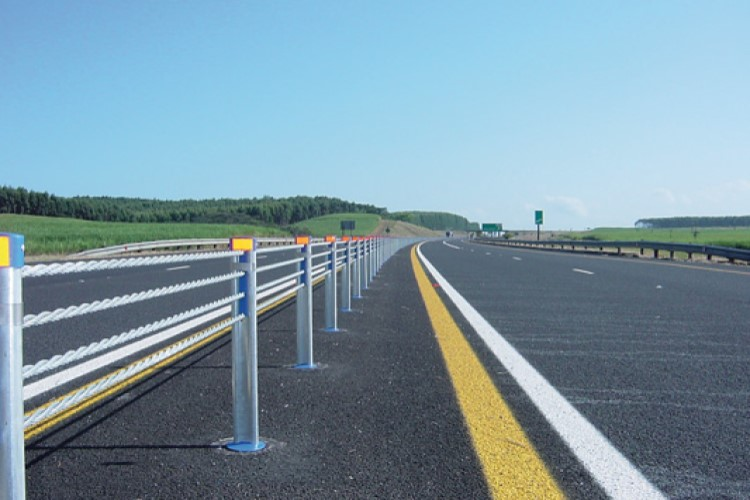
Al recibir un impacto, algunas vallas se mueven mucho. Las de cable de acero se doblan considerablemente, absorbiendo fuertes fuerzas en el proceso. Las de raíles de acero, aunque se mueven menos, ceden ligeramente bajo presión, pero se mantienen lo suficientemente firmes para muchos tramos de carretera. Los muros de hormigón apenas se mueven, resistiendo firmemente donde el espacio es reducido o la resistencia es crucial.
Vallas de seguridad para peatones
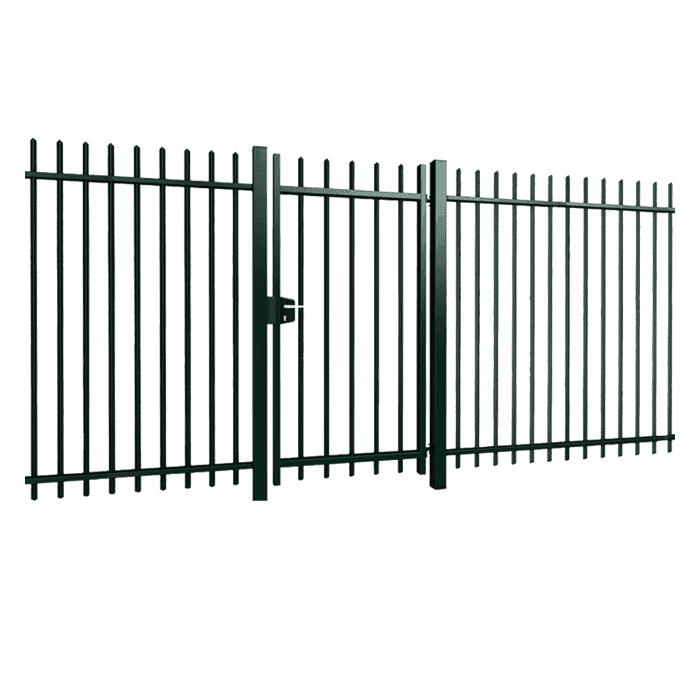
Las vallas destinadas a proteger a los peatones son frecuentes en las ciudades, construidas junto a carreteras congestionadas. Evitan que la gente se adentre en el tráfico porque estas barreras bloquean atajos peligrosos. Los pasos de peatones señalizados se convierten en la ruta preferida, ya que la orientación que ofrecen las vallas es natural. En lugares concurridos como las escuelas, se ven más de estas estructuras debido al constante tránsito peatonal. Los mercados y las intersecciones también las tienen, pues la afluencia de gente hace que estas medidas sean difíciles de ignorar.
Vallas perimetrales y de control de animales
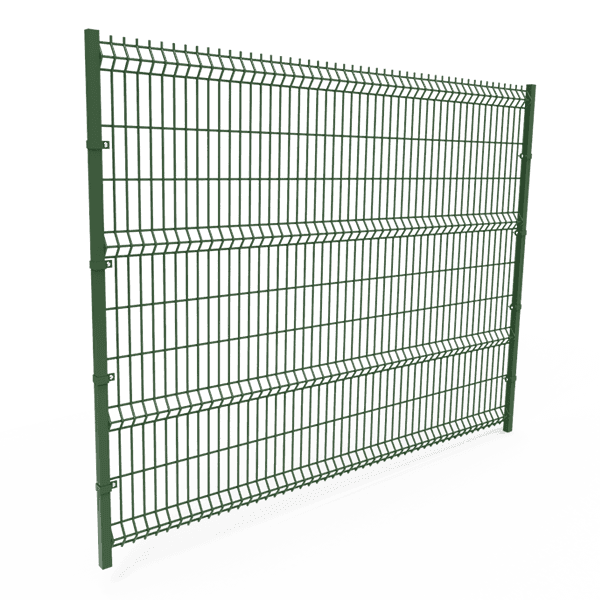
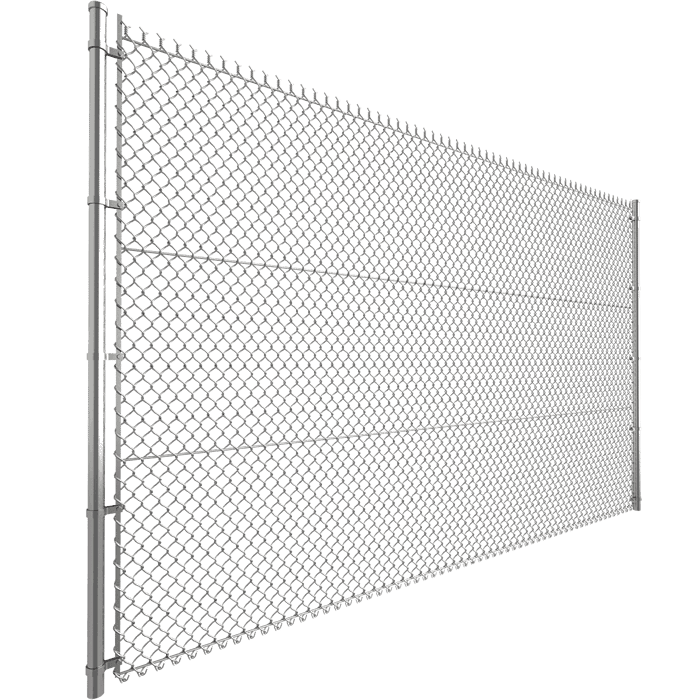
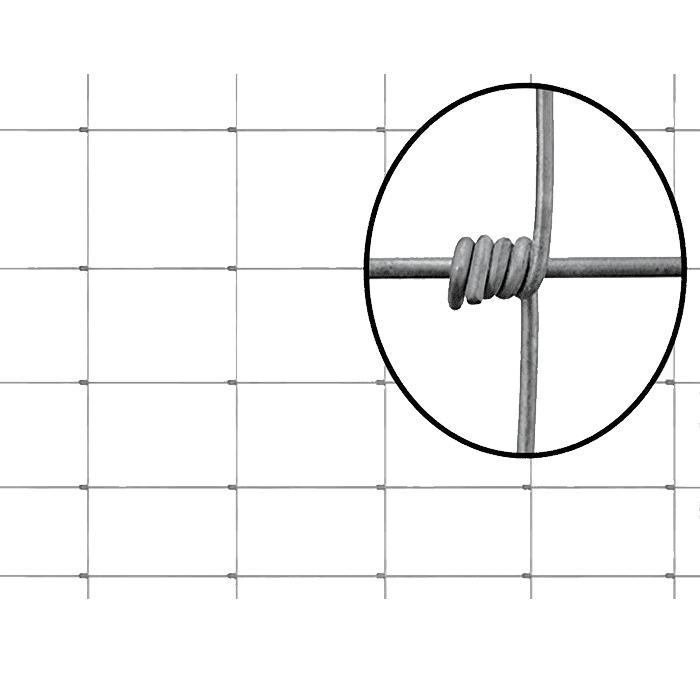
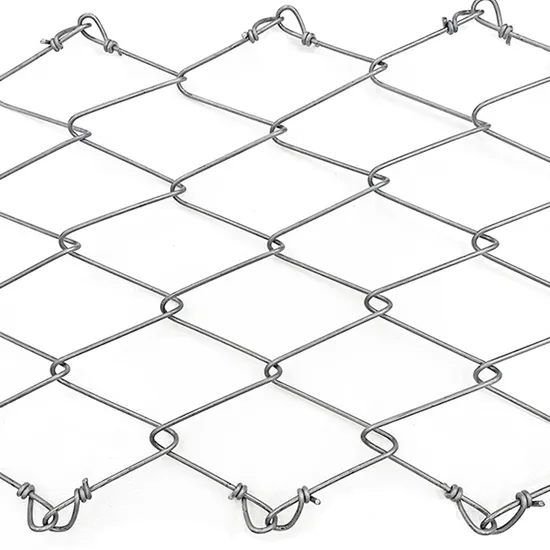
Se instalan vallas cerca de las carreteras cuando hay granjas o bosques próximos. Dado que los animales suelen deambular, las barreras los mantienen alejados del pavimento, donde los coches circulan a gran velocidad. Una malla metálica se extiende sobre postes, formando un muro que bloquea tanto a las personas que no deberían estar allí como a los animales que se encuentran fuera de su hábitat. Los accidentes disminuyen drásticamente una vez que estas barreras se instalan a lo largo de los bordes de los carriles asfaltados.
Vallas de tráfico temporales
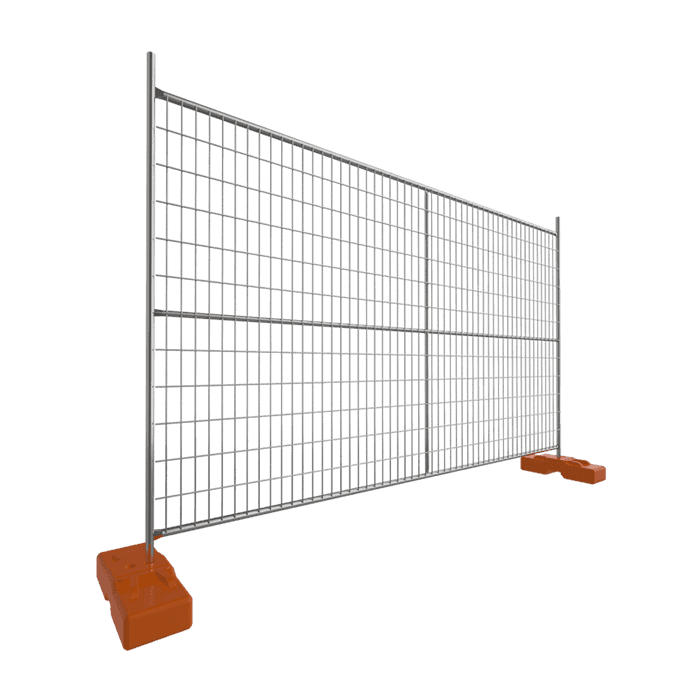
En las calles, aparecen barreras temporales cerca de obras, grandes concentraciones o cuando surgen imprevistos. Se instalan rápidamente —sin necesidad de una preparación prolongada— y se retiran con la misma facilidad. Aunque no permanecen mucho tiempo, cumplen su función: mantener a la gente en movimiento de forma segura y proteger a quienes trabajan cerca.
2. ¿Cómo garantizan las vallas de seguridad vial la seguridad de los peatones?
En las zonas donde la multitud se acerca a los coches, las barreras guían el paso alejándolos de las ruedas. Las calles concurridas necesitan estas divisiones: la seguridad aumenta cuando los caminos no se mezclan. Las líneas metálicas se alzan como guardianes silenciosos, dirigiendo el flujo sin hacer ruido.
Separación física
Una línea trazada en lugares concurridos suele mantener a los peatones alejados de los coches en movimiento. Cuando la gente camina, una barrera sólida entre ellos y el tráfico ayuda a evitar accidentes. Las multitudes generan ruido, movimiento y paradas repentinas; sin embargo, una barrera resistente cumple su función discretamente.
Movimiento controlado
Las vallas a lo largo de las carreteras influyen en la forma en que caminan las personas, dirigiéndolas hacia lugares como pasos de peatones o pasarelas peatonales. Al estar el movimiento controlado, los movimientos bruscos se vuelven menos frecuentes: los conductores comienzan a ver patrones en lugar de sorpresas.
Visibilidad mejorada
Algunas vallas modernas cuentan con superficies brillantes o materiales que reflejan la luz. Gracias a esta característica, se ven mejor al anochecer o con niebla. Los conductores las perciben con mayor facilidad, y los peatones también las notan. Se forman líneas claras donde los caminos se encuentran con áreas abiertas. La visibilidad se mantiene óptima incluso con cielo nublado. Estas marcas ayudan a todos a moverse con mayor seguridad. Los límites se definen claramente cuando las luces se atenúan.
Mitigación de accidentes
Las vallas bien construidas pueden detener un coche que se desvía de su trayectoria, manteniéndolo alejado de los peatones. En caso de accidente, contar con una valla podría significar menos heridos graves, ya que los peatones tendrían una protección adicional.
Mejora del flujo de tráfico
Gestionar el flujo peatonal resulta más sencillo cuando los caminos están delimitados con barreras. Las paradas repentinas desaparecen porque la gente sabe adónde ir, lo que reduce las confusiones que ralentizan todo.
3. ¿Cómo elegir la valla de señalización vial adecuada?
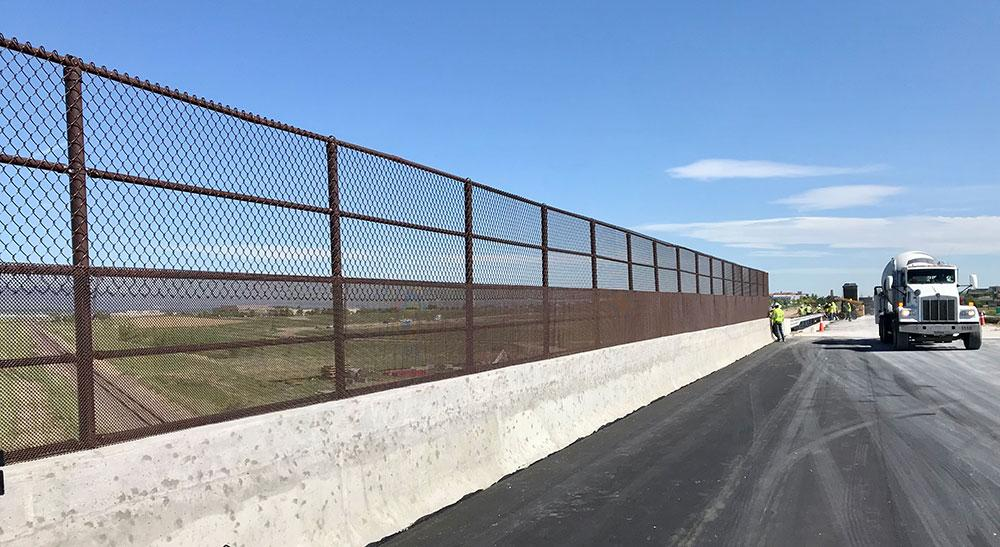
Elegir una barrera de seguridad vial implica sopesar diversos detalles para garantizar su buen funcionamiento y la seguridad de las personas. Su resistencia puede ser más importante que su apariencia cuando los vehículos pasan a gran velocidad. La ubicación también influye: las autopistas con mucho tráfico requieren estructuras más robustas que las calles tranquilas. La elección del material repercute tanto en el coste como en el mantenimiento a largo plazo, a veces sin previo aviso. El método de instalación puede afectar sutilmente a la estabilidad con el tiempo, incluso si el diseño parece sólido a primera vista.
El tipo de carretera afecta a la velocidad de los coches.
Las vallas cambian según la velocidad de los coches y el tipo de carretera. Donde los vehículos pasan a gran velocidad, solo tienen sentido muros sólidos e inflexibles. En los carriles lentos de la ciudad, algo más flexible, incluso adaptable, resulta ideal.
Finalidad de la instalación
En la mayoría de los casos, una valla tiene una función principal. En los senderos peatonales, ciertas barreras brindan seguridad a los peatones, manteniéndolos cerca. Otros tipos impiden que los vehículos se alejen demasiado, actuando como guías discretas en carreteras transitadas. A veces, aparecen donde el tráfico cambia repentinamente, gestionando los cambios puntuales sin problemas. Elegir el tipo adecuado garantiza que funcione según lo previsto, sin sorpresas. Lo más importante se manifiesta cuando cada elemento cumple su función a la perfección.
Selección de materiales
El acero destaca por su resistencia y flexibilidad. Por otro lado, el hormigón soporta bien la presión y es muy duradero. El plástico, en cambio, es ligero y fácil de transportar. Dependiendo del uso previsto, elegir el material adecuado es fundamental.
Condiciones ambientales
Cuando la lluvia o el viento azotan con fuerza una cerca, pueden surgir problemas. La humedad del suelo o el aire salino influyen en su durabilidad. La oxidación se ralentiza si se elige el metal adecuado. Los recubrimientos son útiles cuando la naturaleza ejerce presión sobre la cerca.
Costo y mantenimiento a largo plazo
Si bien el precio llama la atención de inmediato, lo que sucede después es igual de importante. Un producto diseñado para durar puede costar más al principio, pero requerirá menos reparaciones a largo plazo. Ese ahorro, aunque sutil, se acumula cuando las reparaciones son mucho menos frecuentes.
Cumplimiento de los requisitos de seguridad
Las vallas construidas conforme a las normas de seguridad vigentes no solo son recomendables, sino imprescindibles. Seguir estas directrices significa que alguien ya ha comprobado su resistencia al uso en exteriores.
4. Métodos de instalación de vallas de seguridad vial
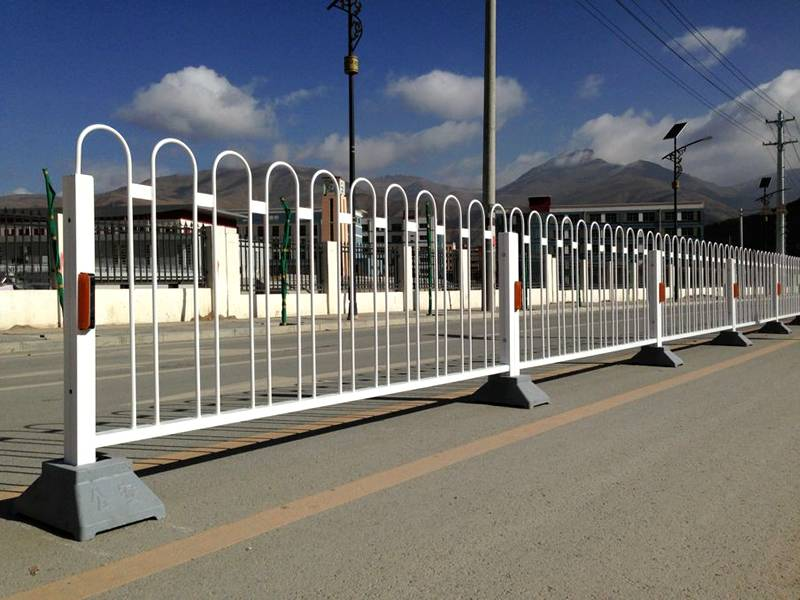
Las vallas destinadas a carreteras solo funcionan correctamente si se instalan de la manera adecuada. Incluso una construcción de primera calidad puede resultar deficiente si la instalación no es la correcta.
Preparación del sitio
Allí, el trabajo comienza con la preparación del terreno. Lo primero es despejar el espacio, luego nivelar la superficie y comprobar que se alinee con el trazado de la carretera.
Instalación posterior
Los pilares constituyen la base de muchas barreras viales. Al instalarlos, se clavan directamente en el suelo o se fijan con cemento; la elección depende del terreno y del diseño de la barrera. La profundidad a la que se asientan depende del tipo de suelo.
Montaje de barreras
Una vez que los postes están firmemente colocados, los paneles de la cerca se deslizan hasta su posición. Gracias a la atención prestada a cada junta, cada pieza se alinea perfectamente, manteniéndose estable mediante conexiones sólidas en la parte inferior. La alineación es crucial en la unión del riel con el poste, para garantizar que todo quede cuadrado y seguro.
Sistemas de anclaje
Las vallas, integradas directamente en el hormigón macizo, se mantienen firmes sobre puentes o carreteras elevadas. Su resistencia aumenta cuando reciben apoyo desde abajo.
Métodos de instalación temporal
En espacios abiertos, las vallas temporales se montan rápidamente gracias a sus componentes diseñados para un fácil montaje y desmontaje. En entornos donde las obras cambian a diario, estas estructuras resultan ideales, ya que se adaptan sin complicaciones.
Inspección y pruebas
Una vez instalada, alguien debe comprobar que la valla cumple con las normas de seguridad. Para saber si funcionará correctamente en caso de impacto, hay que probarla bien.
5. Mantenimiento de las vallas de seguridad vial
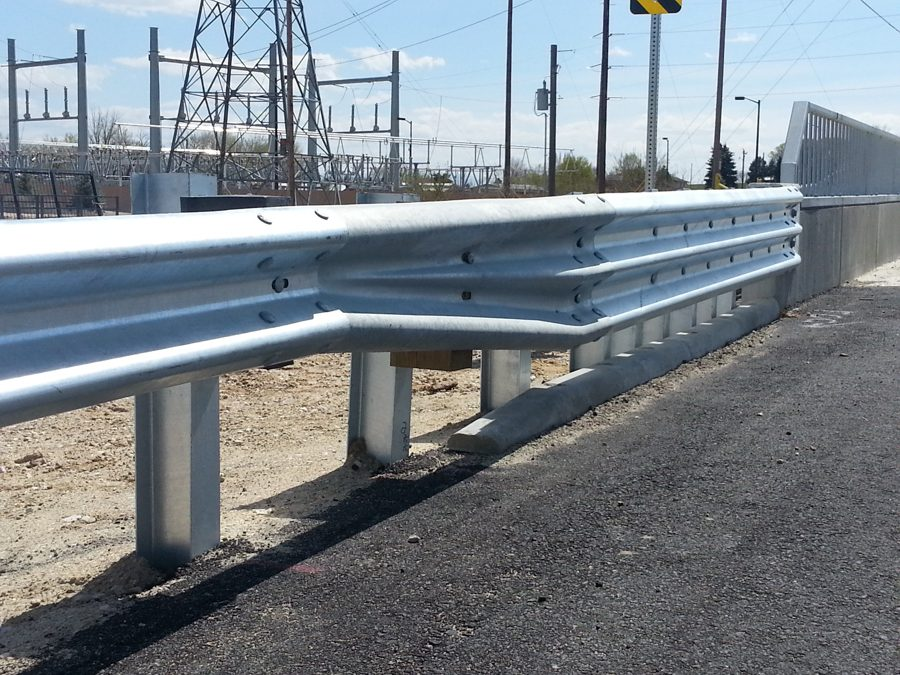
Las vallas a lo largo de las carreteras necesitan mantenimiento regular para que sigan funcionando correctamente con el paso del tiempo; de lo contrario, su capacidad de protección puede disminuir. Un mantenimiento adecuado garantiza que resistan las inclemencias del tiempo y los accidentes sin fallar cuando más se necesitan.
Inspecciones de rutina
Detectar a tiempo problemas como el óxido o el desgaste permite solucionarlos antes de que empeoren. Cuando se realizan revisiones frecuentes, los pequeños fallos se detectan antes de que se conviertan en problemas mayores.
Reparación y reemplazo
Las partes rotas de la valla deben repararse de inmediato. Si un coche las golpea, es aún más importante.
Limpieza y mantenimiento de la visibilidad
Las vallas necesitan una limpieza regular para mantenerse seguras. La suciedad acumulada reduce gradualmente su reflectividad. La visibilidad disminuye si se descuida el mantenimiento. El desgaste debilita las superficies, haciéndolas menos efectivas. Los acabados limpios ayudan a que las señales se vean con claridad. Con el paso de los meses, la suciedad oculta lo que debería brillar.
Protección contra la corrosión
Cuando el clima empeora, el óxido se introduce en las vallas metálicas. Si se les aplica un recubrimiento adecuado, resisten los daños durante mucho más tiempo.
Controles de integridad estructural
Cuando los pernos, anclajes o postes no están bien apretados, toda la cerca puede debilitarse. La estabilidad a menudo depende de que cada parte se mantenga firme.
6. ¿Dónde puedo comprar vallas de seguridad vial?
La mayoría de la gente subestima la importancia de quién construye las barreras que bloquean las calles. Quien las construye determina tanto su resistencia como su durabilidad. Las buenas barreras se rigen por normas destinadas a proteger a todos los vecinos. Además, ofrecen consejos claros sobre cómo instalarlas y mantenerlas a lo largo del tiempo.
Una opción sólida podría ser Fabricante HUADE, Ofrecen una amplia variedad de vallas para el tráfico rodado. Dado que las necesidades varían, suministran barandillas, barreras peatonales y sistemas de seguridad a medida. Diseñados para resistir las condiciones más exigentes, sus productos funcionan igual de bien en las calles de la ciudad que en largos tramos entre pueblos. Mientras que algunas marcas escatiman en calidad, estos se centran en la resistencia duradera y la funcionalidad en condiciones reales.
Empiece por evaluar la calidad de fabricación de los productos. ¿Y qué es igual de importante? Si pueden realizar ajustes si necesita realizar cambios. El soporte durante la configuración suele ser crucial para el éxito de la experiencia. Y luego está la asistencia una vez que todo está en marcha: un apoyo fundamental que se brinda discretamente entre bastidores. El socio adecuado proporciona equipos de calidad y guía a su equipo en cada paso. Su conocimiento se pone a prueba cuando surgen dudas.
Conclusión
La mayoría de las carreteras actuales incluyen barreras para controlar el tráfico. Estas estructuras crean espacio entre conductores y peatones, a la vez que influyen en la circulación. Según su ubicación, las diferentes versiones cumplen funciones específicas en función del diseño, el terreno o la finalidad prevista. Los materiales también son importantes: lo que funciona bien en un lugar puede resultar ineficaz en otro.
La mayoría de la gente subestima la importancia de una instalación correcta. Sin embargo, sin un mantenimiento constante, incluso los mejores materiales comienzan a deteriorarse con el tiempo. A medida que aumenta la densidad de vehículos en las autopistas, las barreras destinadas a proteger a los viajeros aumentan su peso año tras año. Elegir barandillas sólidas no solo refuerza el pavimento y las señales, sino que también sostiene algo más importante. Hay vidas que dependen de estas decisiones, silenciosamente, cada día.
La publicación relacionada puede resultarle ÚTIL: Los 15 mejores proveedores de puertas para cercas en 2026



 Spanish
  English
  Portuguese
  German
  French
  Italian
  Japanese
  Korean
  Russian