


Índice
A maioria das pessoas acha que construir uma cerca não dá muito trabalho — até chegar na parte de escolher o local ideal para cada poste. Embora pareça um detalhe pequeno, a distância entre os postes muda tudo. Quando os postes ficam muito afastados, as cercas cedem ou torcem sob pressão, principalmente quando se trata de proteger uma propriedade ou conter animais. A resistência diminui rapidamente se o espaçamento ignorar os limites de carga. Alguns pesquisam bastante depois que a última cerca desabou antes do previsto. Outros ainda tentam economizar o suficiente para que os cantos fiquem firmes sem gastar mais do que o necessário.
Está em dúvida sobre a distância ideal entre os postes? Depende do material de que são feitos, do tipo de solo, do peso que suportam e também da forma como são instalados. Se feito corretamente, o espaçamento adequado entre os postes garante maior durabilidade, economia e resistência. Tudo o que você precisa saber sobre isso está explicado aqui de forma simples e direta. Depois de ler, construir uma cerca resistente e durável se torna algo muito mais fácil.
1. Escolhendo o tipo de cerca

Dependendo da sua escolha, o espaçamento entre os postes varia bastante. Os diferentes estilos de cerca exigem maior flexibilidade ou compressão, de maneiras específicas. Cercas ornamentais leves permitem que os postes fiquem mais espaçados sem problemas. Já os modelos mais robustos, construídos para segurança ou para suportar maior força de tração de animais, exigem um espaçamento mais estreito. Portanto, a escolha do design dá início a todas as etapas seguintes.
Algumas pessoas que pesquisam sobre isso se perguntam se suas cercas funcionarão bem com postes mais espaçados. A verdade é que cada tipo de cerca segue regras diferentes, dependendo da flexibilidade dos materiais e de onde o peso é distribuído. Ignorar essas diretrizes pode resultar em seções cedendo posteriormente — ou pior, em um colapso total da cerca no futuro.
O primeiro passo é entender como diferentes tipos de cercas se comportam sob pressão. Só então as diretrizes de espaçamento fazem sentido. O que resiste à tensão determina onde cada poste será posicionado. Conhecer os limites do material leva a espaçamentos mais inteligentes entre os suportes.
Métodos para fixar postes de cerca
Cercas de madeira são muito comuns em residências devido à sua aparência e versatilidade, combinando com praticamente qualquer estilo de quintal. Porém, por ser um material pesado, a madeira pode entortar após anos exposta à chuva. Essa deformação exige que os postes de sustentação sejam instalados com mais frequência do que se imagina – aproximadamente a cada dois ou três metros.
Quando os postes ficam próximos uns dos outros, sustentam melhor a cerca. Espaços amplos permitem que os painéis de madeira cedam sob o próprio peso. Podem entortar ou até quebrar. Locais com muito vento agravam a situação, assim como terrenos irregulares onde o nível do solo se altera.
Cercas de arame
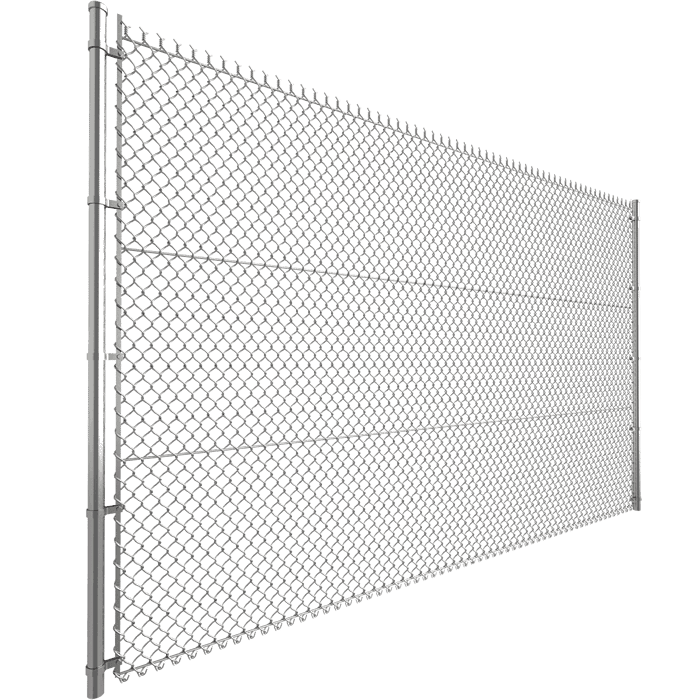
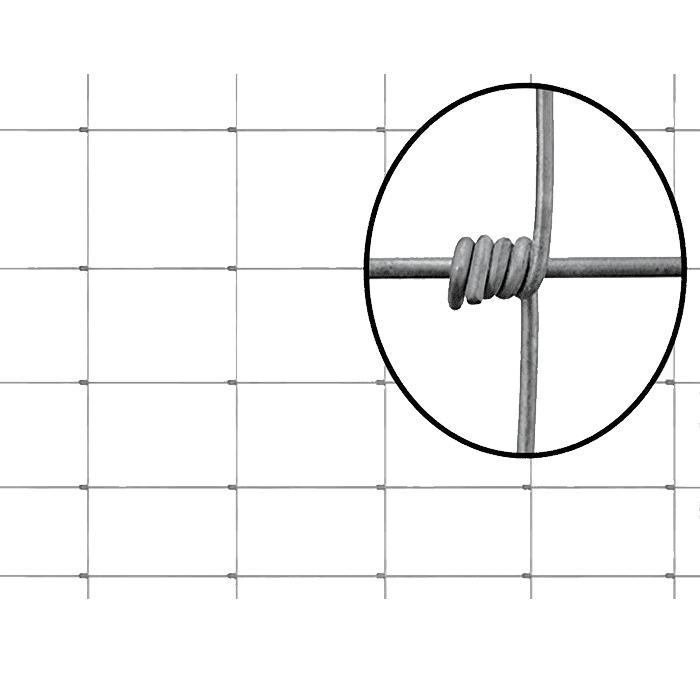
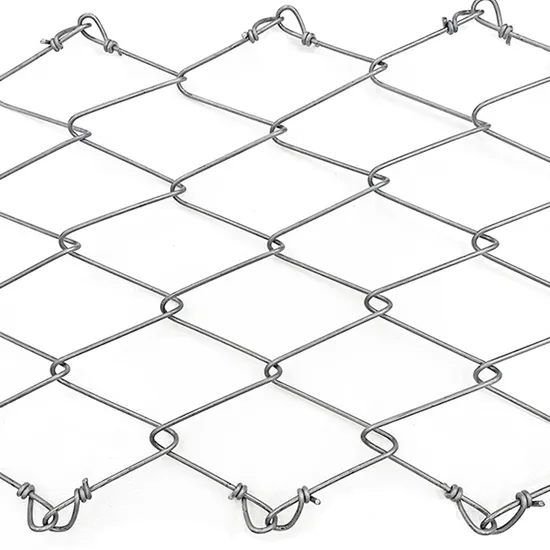
Mais leves que a madeira, as cercas de arame dobram sem quebrar. Graças a essa flexibilidade, os postes podem ficar mais distantes uns dos outros — geralmente de 2,5 a 3 metros. Como a trama distribui a força por toda a superfície, cada poste suporta menos tensão.
A estabilidade da cerca muitas vezes depende de forças invisíveis. Fios bem esticados e trilhos resistentes instalados corretamente impedem que a estrutura se desloque. Se algum desses elementos for negligenciado, toda a estrutura se desfaz, não importa o quão bem posicionada esteja inicialmente.
Cercas de arame para gado
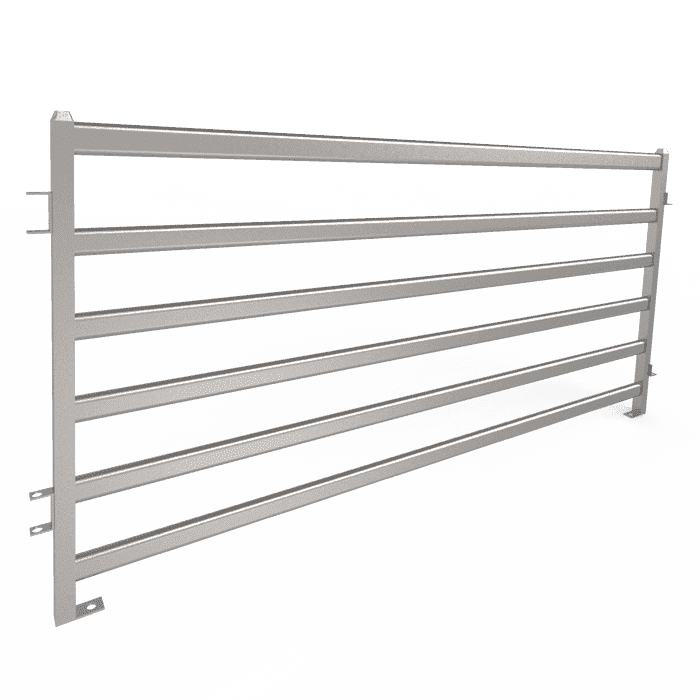
Cercas de arame são comuns em fazendas, onde os vãos entre os postes aumentam sob certas condições. O espaçamento varia de três a cinco metros, influenciado tanto pelo tipo de arame quanto pelos animais que vivem dentro da cerca. Com fios de aço de alta resistência, as distâncias ocasionalmente ultrapassam essa marca.
Por ser flexível, o fio alivia a pressão ao longo da linha. No entanto, cantos e extremidades suportam cargas mais pesadas, então esses postes precisam de suporte extra. O que importa? Um equilíbrio entre flexibilidade e resistência mantém tudo firme.
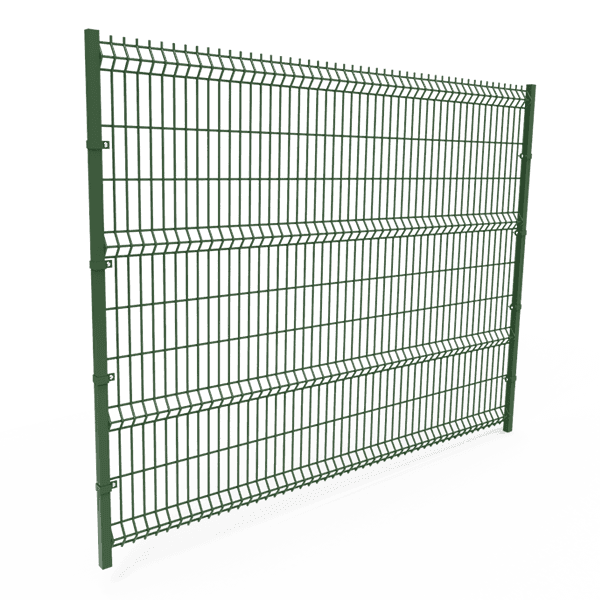
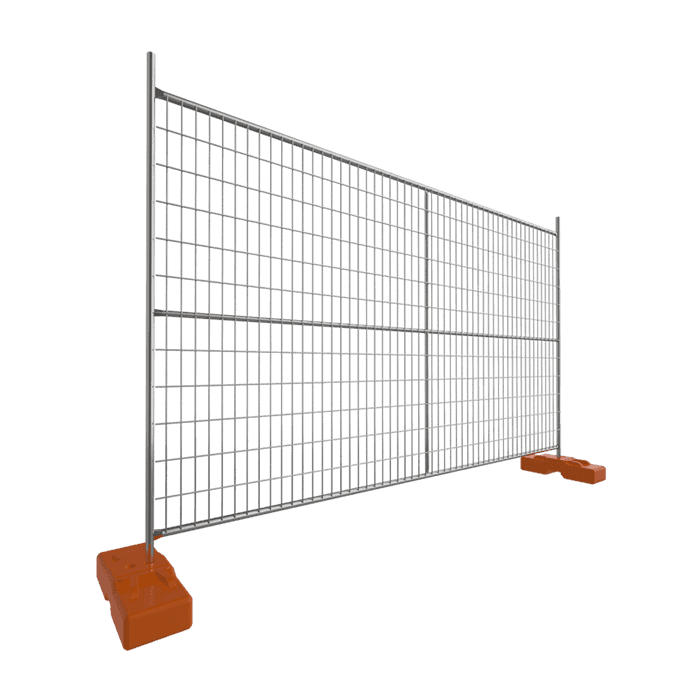
Painéis metálicos e cercas de segurança
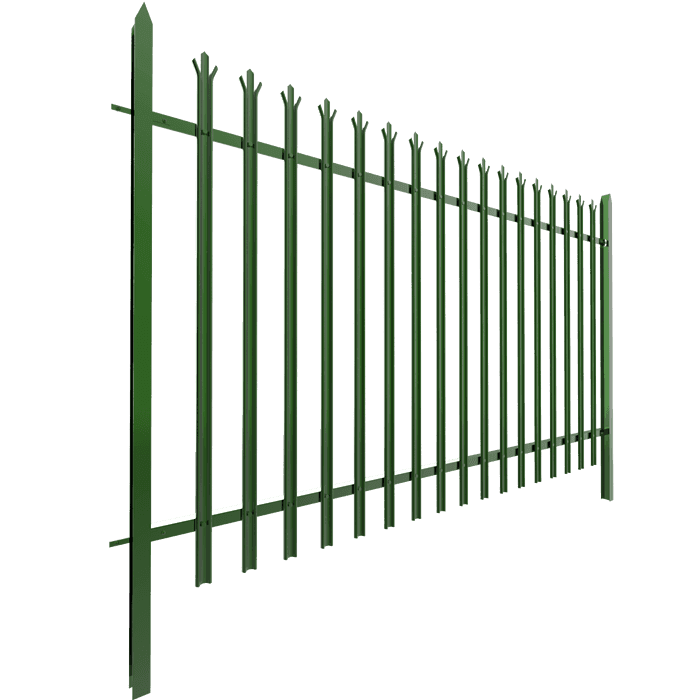
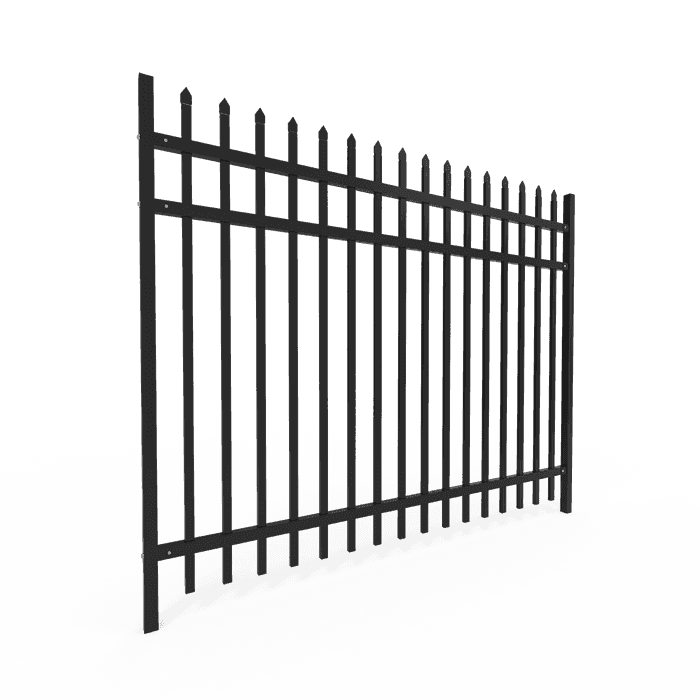
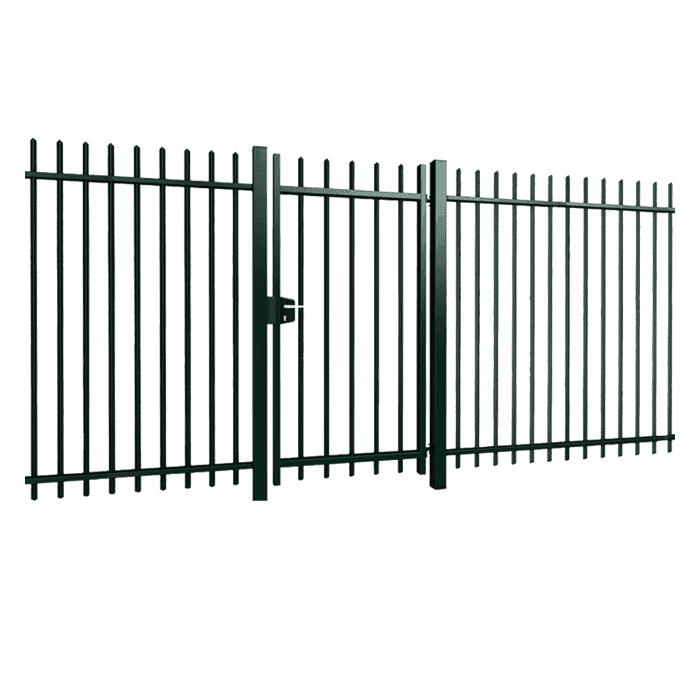
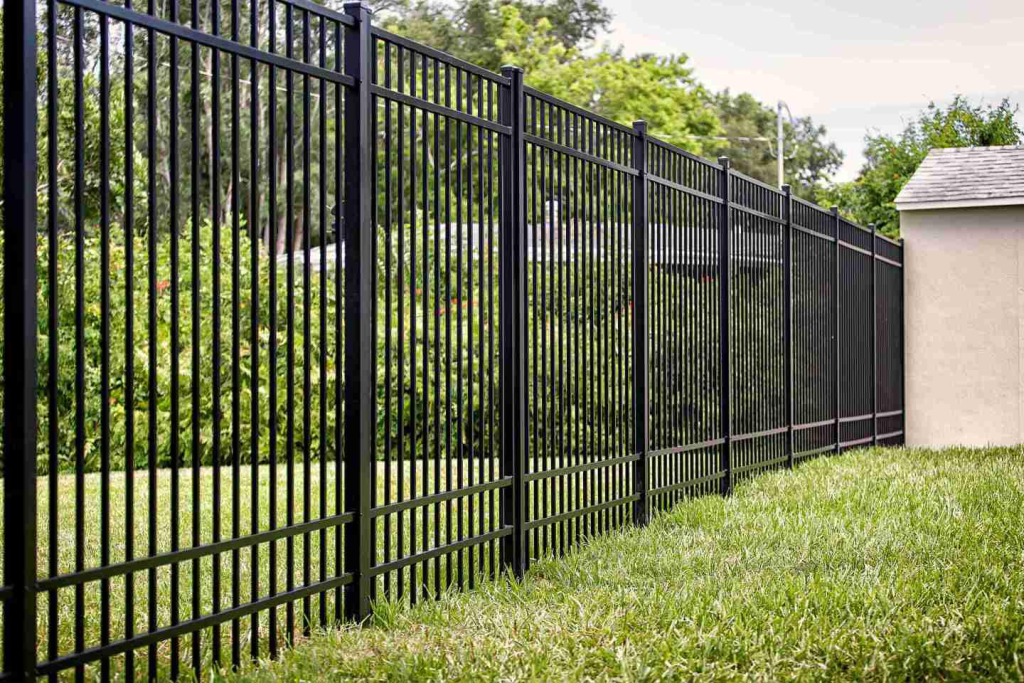
Embora rígidas por natureza, as cercas metálicas exigem um posicionamento inteligente dos postes. Geralmente, um espaçamento de 1,8 a 2,4 metros é o ideal para manter a estabilidade. Espaçamentos muito grandes podem causar problemas quando atingidas ou empurradas por ventos fortes.
Cercas como essas priorizam a resistência, sem deixar espaço para flexibilidade. Por isso, o espaçamento entre elas — e a firmeza com que são fixadas — é crucial no planejamento.
2. Métodos para fixação de postes de cerca

Cerca escolhida. Agora pense no que acontece onde o metal encontra o solo. A profundidade da cerca muda tudo – a resistência se altera, o equilíbrio muda. Cada suporte precisa suportar sua parte, então a distância entre eles diminui ou aumenta dependendo da aderência. As condições do solo influenciam o espaçamento mais do que a maioria imagina.
Ao analisar essa questão, muitas pessoas querem saber se instalações mais fáceis significam economia de tempo ou dinheiro. No entanto, aqui está o problema: economizar em etapas geralmente significa menor durabilidade. Dependendo do tipo de cerca, algumas soluções funcionam melhor do que outras. O clima e o ambiente ao redor determinam o que resistirá ao tempo.
Para começar, bases sólidas permitem que os postes fiquem mais afastados. Quando a base não é resistente, esses mesmos postes precisam ficar mais próximos. A estabilidade depende desse equilíbrio. Espaçamentos maiores só funcionam se a base for firme.
Assentamento de concreto
Nada supera o concreto para manter postes de cerca firmes. O vento pode empurrar, o solo pode deslizar, mas o poste permanece no lugar graças à sua fixação rígida. Quando fixados em concreto, os postes precisam de menos vizinhos entre si – o espaçamento se aproxima do máximo permitido.
Cercas pesadas ou terreno instável? Essa abordagem funciona bem nesses casos. É verdade que a instalação leva mais tempo e custa mais. No entanto, a durabilidade aumenta consideravelmente. A maioria das pessoas considera esse equilíbrio justo.
Postagens dirigidas
A cravação direta dessas estacas no solo dispensa a necessidade de buracos ou cimento. A instalação mais rápida e o menor custo explicam seu uso frequente em fazendas. No entanto, elas não oferecem a mesma firmeza que as fixadas em concreto. Na prática, a oscilação é mais provável nesse tipo de estrutura.
A densidade do solo torna-se mais importante quando as âncoras não são fortes. Os postes podem ficar mais próximos uns dos outros se o solo não os sustentar firmemente.
Aterro de cascalho
Um punhado de pedras ao redor do poste oferece um meio-termo: menos rígido que o concreto, mais sólido que simplesmente compactar a terra. A água penetra facilmente, o que ajuda a evitar o apodrecimento precoce. Corrimãos de madeira tendem a durar mais quando instalados dessa forma. A estabilidade permanece razoável sem a necessidade de selar tudo completamente.
A cada poucos metros, mantenha a distância entre os postes fixados com cascalho um pouco menor do que o normal. Embora possam ser ajustados quando necessário, esses suportes não resistirão a cargas pesadas como o concreto maciço.
Montagem em superfície
Fixados diretamente em superfícies sólidas – como, por exemplo, uma laje de calçada – esses postes dispensam completamente a necessidade de escavação. As cidades costumam optar por eles perto de lojas ou praças. Mesmo assim, calcular a carga com precisão é ainda mais importante nesse caso.
A firmeza da base determina a distância entre os apoios. Geralmente, colocá-los mais próximos ajuda a distribuir o peso de forma mais uniforme.
3. Compreenda a fórmula para calcular a força nos postes da cerca.

Um poste de cerca sofre pressão de diferentes direções, muitas vezes sem que percebamos. Quando o vento sopra lateralmente ou algo o atinge com força, o poste reage. O espaçamento entre eles influencia sua resistência ao longo do tempo. A maioria das pessoas ignora esses detalhes. No entanto, acertar o espaçamento significa anos a mais de vida útil para cada peça.
A maioria das pessoas que se interessam por isso quer evitar que as estruturas desmoronem. Entender como as forças atuam ajuda a construir cercas resistentes o suficiente para suportar o clima e o desgaste diário. Uma compreensão sólida dos pontos de pressão significa menos surpresas mais tarde. As estruturas se mantêm melhor quando a tensão é considerada desde o início. Os erros desaparecem com cálculos mais precisos por trás da construção.
A maioria das pessoas pensa que a matemática complexa atrapalha – mas, na verdade, não se trata de equações. Compreender o comportamento da força em um nível simples abre possibilidades úteis. Entender cada detalhe? Desnecessário.
Cálculo da carga de vento
As cercas enfrentam fortes empurrões quando o vento sopra. As mais altas captam mais ar, assim como superfícies mais largas. Em vez de bloquear tudo, as aberturas em uma cerca de arame permitem que as rajadas passem. Paredes fechadas oferecem mais resistência ao ar em movimento do que aquelas com aberturas.
Um único poste suporta mais peso quando os postes estão mais distantes uns dos outros. Por isso, colocá-los mais próximos distribui a pressão da tempestade onde os ventos atingem com força.
Tensão em cercas de arame
Quando as cercas de arame mantêm sua forma, a tensão é o principal fator que as mantém. Do fio ao poste, essa tração se propaga de forma constante. Nos cantos e extremidades, a pressão aumenta drasticamente. É aí que postes mais resistentes se tornam necessários.
Quando os postes estão muito distantes uns dos outros, os fios podem ficar caídos ou frouxos. O espaçamento correto entre eles distribui a força de forma a mantê-la sob controle.
Forças de impacto
As cercas sofrem impactos – cascos, mãos, galhos que caem. Quando algo as atinge, isso as desestabiliza. Os projetistas planejam para surpresas como essa. Postes mais resistentes distribuem melhor o impacto. Espaçamentos menores significam menos flexão quando atingidos.
Cercas para animais ou segurança precisam de suportes robustos. Quando os impactos não são levados em consideração, elas se rompem rapidamente – sem aviso prévio, apenas danos.
4. Fatores que afetam a distância entre os postes da cerca

Além do tipo de cerca e de como ela é erguida, alguns detalhes externos alteram a posição dos postes. Cada um deles pode comprometer seus planos mais do que o esperado. Ignorar esses detalhes pode comprometer todo o projeto muito rapidamente.
Quando as pessoas se aprofundam nesse assunto, geralmente se deparam com terrenos acidentados ou condições climáticas extremas. Compreender o que realmente está em jogo permite que elas ajustem as regras de espaçamento típicas com base em seu próprio ambiente.
Indo direto aos detalhes? Calma aí. Projetos de cercas quase nunca funcionam da mesma forma para todo mundo. Ajustar as coisas conforme você avança ajuda a acertar.
Condições do solo
A firmeza das estacas depende do tipo de solo. Em solos leves ou granulosos, elas precisam de outras estacas próximas para se manterem em pé. Em solos lamacentos ou compactados com pedras, cada estaca se mantém firme mesmo quando afastada uma da outra. O espaçamento entre elas aumenta, proporcionando melhor aderência.
Começar verificando o solo pode reduzir atrasos e custos. Escolher a configuração e a distância corretas fica mais fácil quando você sabe o que está embaixo da terra.
Terreno
Muitas irregularidades no terreno dificultam a construção de uma cerca. Quando o solo se inclina, a pressão se concentra em alguns pontos mais do que em outros, soltando os postes. Para manter a estrutura reta, geralmente é melhor posicionar os postes mais próximos uns dos outros.
Postes de cerca instalados em alturas variadas, com espaçamento preciso, acompanham o contorno do terreno, mantendo-se firmes. A resistência é preservada quando os ajustes correspondem à inclinação do solo.
Clima e tempo
A resistência da cerca depende muito das condições climáticas locais. Em regiões com tempestades fortes ou ventos constantes, estruturas mais robustas se tornam necessárias. Geralmente, isso resulta em uma distância menor entre os postes de sustentação.
Com a mudança das estações, o solo sob os pés pode se mover um pouco. Construir levando em consideração essas mudanças ajuda a prolongar a vida útil das estruturas.
Altura da cerca
Cercas altas captam mais vento e, portanto, sofrem empurrões mais fortes. Por isso, os postes precisam ficar mais próximos uns dos outros quando a cerca é mais alta. Essa maior proximidade garante estabilidade ao longo do tempo, reduzindo a probabilidade de inclinação ou queda.
Altura ideal para um bom desempenho, mas com o espaçamento perfeito – isso garante maior durabilidade. A distância entre as peças influencia na sensação de resistência. Peças muito próximas causam problemas; peças muito afastadas desperdiçam espaço. O ponto ideal? Altura adequada, sem ser desajeitada, com espaçamento bem pensado. A estrutura se mantém melhor quando as proporções correspondem ao uso real.
5. Distância típica entre postes de cerca

Mesmo quando a maioria das coisas está clara, as regras básicas sobre o espaçamento entre os postes ainda são importantes. Elas servem apenas como uma ideia geral – trabalhos reais exigem ajustes dependendo do que acontece no local. Familiarizar-se com essas distâncias facilita a compra de materiais e a estimativa de preços. Alguns números podem definir todo o projeto sem te comprometer com um valor fixo.
As pessoas geralmente pesquisam sobre esse assunto esperando encontrar algo simples que possam usar imediatamente. Embora as medidas variem um pouco, esses intervalos comuns oferecem um bom ponto de partida.
O material da cerca é importante – verifique-o antes de usar qualquer informação aqui apresentada. As condições climáticas também influenciam, portanto, leve-as em consideração com antecedência.
Faixas de espaçamento padrão
- Cercas de madeira: 1,8 a 2,4 metros
- Cercas de arame: 2,4 a 3 metros
- Cercas de arame: 3 a 4,5 metros
- Cercas metálicas/de segurança: 1,8 a 2,4 metros
Encontrar um equilíbrio entre durabilidade, preço e uso prático é o que impulsiona sua popularidade. Por isso, residências e empresas os escolhem com frequência.
Quando reduzir o espaçamento
Quando o vento estiver forte, espace os postes mais próximos uns dos outros. Solo instável? A mesma solução. Vai construir uma cerca alta? Não aumente muito o espaçamento. Espaçamentos menores significam menos tensão em cada poste. Ignorar isso pode causar problemas mais tarde. Prevenir problemas começa com o espaçamento ideal entre os postes.
Com espaçamento menor, os materiais custam mais inicialmente, mas a menor necessidade de manutenção surge posteriormente.
Quando aumentar o espaçamento
Aumentar um pouco o espaçamento entre os postes pode funcionar bem quando a cerca é leve ou o solo permanece firme. O custo diminui, pois tanto os materiais quanto o tempo são reduzidos. Mesmo assim, a segurança deve ser mantida, nada além do que é seguro.
Quando as lacunas se tornam muito grandes, toda a estrutura corre o risco de desmoronar. Construa para durar, nunca troque a força por vitórias rápidas.
Conclusão
O espaçamento entre os postes não se resume apenas a números em uma fita métrica – a distância entre eles determina a resistência de toda a estrutura. A escolha do tipo de cerca vem em primeiro lugar, seguida de perto pela consideração do vento, do peso e das movimentações do solo. Quem pesquisa esse tipo de cerca geralmente busca algo acessível, mas que seja durável e resistente.
Comece pensando em como as coisas serão instaladas no solo, como é o terreno, mas também leve em consideração o peso que será aplicado. As regras encontradas nos manuais ajudam inicialmente, embora as necessidades reais do local geralmente exijam ajustes. Dedicar alguns minutos extras ao planejamento inicial significa que a barreira permanecerá firme, na posição vertical e durará muito tempo, sem problemas inesperados no futuro.
A postagem relacionada pode ser ÚTIL para você: Quanto custa 200 pés de cerca de arame?



 Portuguese
  English
  Spanish
  German
  French
  Italian
  Japanese
  Korean
  Russian