



Table of Contents
Lately, unwanted sound fills the air around houses more than ever. Roads packed with traffic, neighborhoods spreading out, shops popping up, places like schools or clinics – they all pile on a steady hum that messes with quiet moments.
A good number of folks checking out fences aren’t focused on looks or property lines. What matters is finding something solid that lasts, stopping sound before it gets inside. Noise control comes first – quietness where they live.
Fences that block noise stand among the top choices for cutting down outdoor sound. Built right, they lower disturbances a lot – alongside boosting seclusion, ease, and what your land might be worth.
A soundproof fence blocks noise, built using dense materials like wood or concrete. Because these materials trap sound waves, less noise passes through. Homeowners might find extra perks – like added privacy or better curb appeal – alongside quieter yards. Before putting one up, checking local rules matters; some areas limit height or placement. How well it works can depend on both design and surrounding landscape.
1. Understanding Soundproof Fences?
Fences built to block noise come ready with features meant to quiet outside sounds. Before those noises get near homes, they meet resistance – some waves stop flat, others fade away, while a few bounce off sideways.
Fences meant to block sound care more about stopping noise than looking nice. While regular ones mark where your land ends, these work hard to quiet things down instead.
Fences that block sound usually catch attention once the noise won’t quit. Highways might start it, then trains add their share; factories hum nearby while building crews hammer through mornings. Schools bring chatter, loud playtimes, and busy drop-offs. Crowded areas pile on because walls only do so much.
Apart from height, it weighs more – built to block noise before it travels far. Solid sections stop vibrations where regular panels let them through.
Fences that block sound pop up everywhere – homes, big living buildings, places where kids learn, spots healing people, factories too. Wherever loudness messes with peace or work, something like this helps out.
Fences built right won’t block every outdoor sound, but they do lower it enough to make life quieter. What you hear outside becomes less sharp when barriers are placed thoughtfully.
2. Types of Materials Used in Soundproof Fences
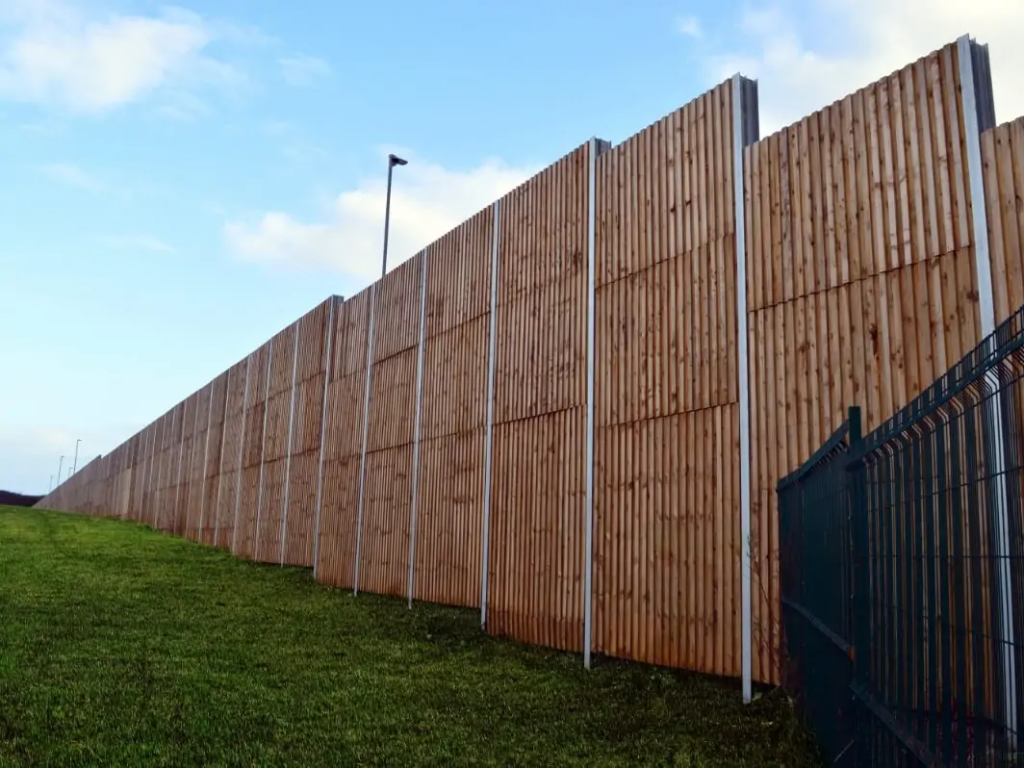
A good noise-blocking fence really comes down to what it is made of. Some options stop more sound than others, while also differing in how long they last, how they look, or how much care they need.
Wood Soundproof Fences
Fences made of wood stand out when keeping noise down. That thick, natural structure soaks up sound waves instead of letting them pass through easily.
A solid chunk of wood blocks more noise than a flimsy sheet. When pieces fit close together – no spaces between – the wall keeps louder sounds out.
Fences made of wood show up often since they cost less yet look good. Because natural settings take them in easily, backyards and homes tend to feature these barriers quite a bit.
Frequent upkeep is needed if you choose wood. Over time, it might twist, split, or develop openings – each of which weakens noise blocking.
Vinyl Soundproof Fences
Fences made of vinyl come out consistent in thickness, their faces sleek. Built with hidden sound-damping layers inside, these barriers cut down noise well.
Out in the rain or sun, vinyl holds up – no rotting, no rust, nowhere for water to sneak in. Because of that, it just sits there, doing its thing, year after year. Hardly anything needs doing to keep it going.
Metal Soundproof Fences
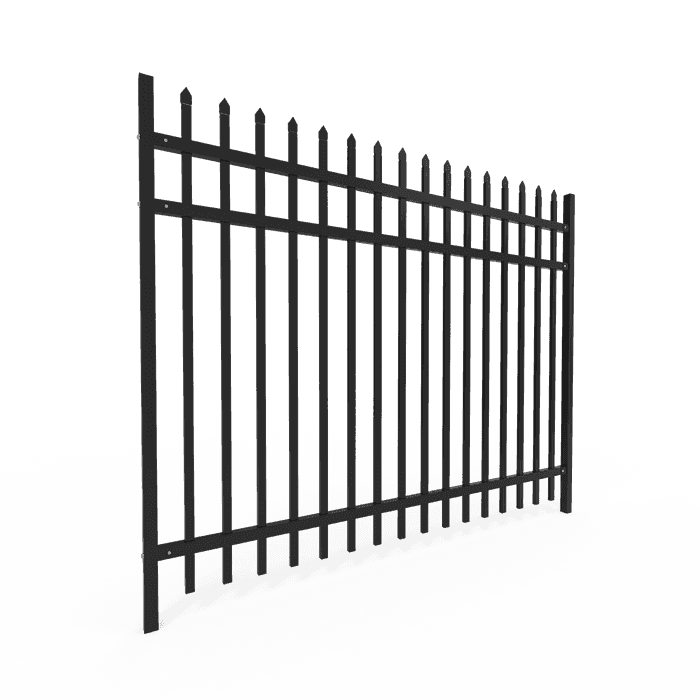
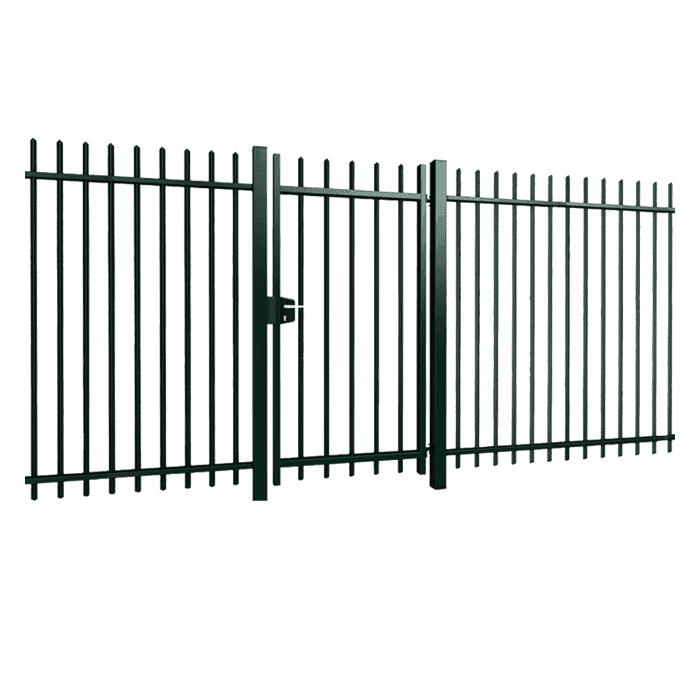
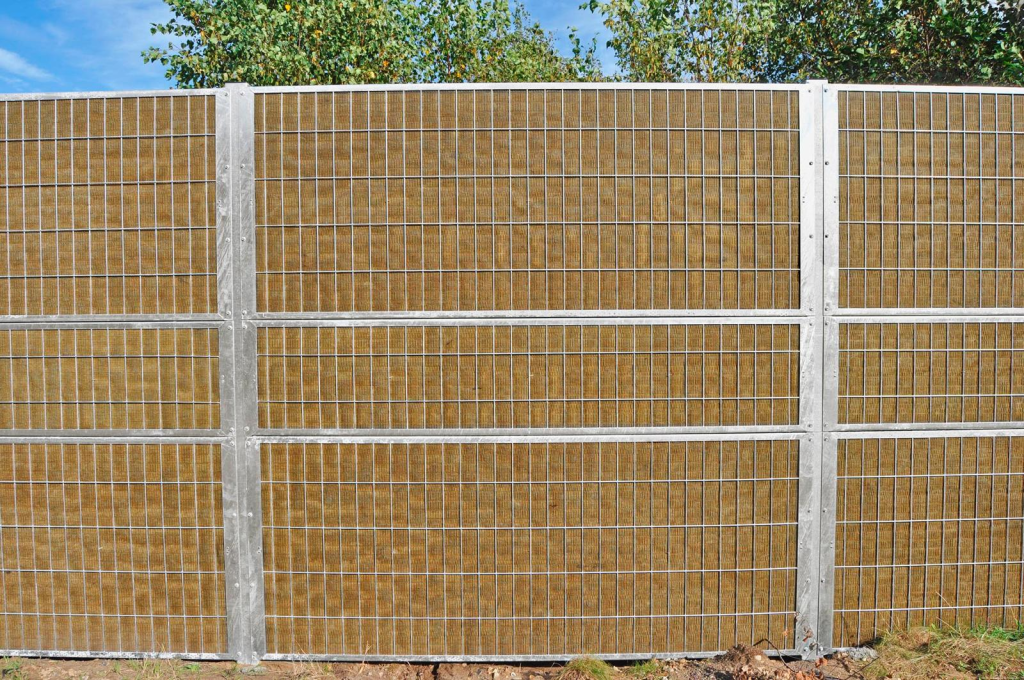
When metal fencing stands by itself, it does little to stop noise. Yet people still rely on it as a base for blocking sound. What actually quiets things down is the added layers fixed onto that rigid skeleton. Those inserts – mounted right into place – are what break up the vibrations. Without them, the framework just holds everything together.
Firm yet lasting, steel along with aluminum stands out in tough environments. Often found where factories or large buildings need sound handling.
Sounds bounce off untreated metal, making spaces louder than they should be. To work well, each detail must fit just right.
Concrete and masonry fences that reduce sound
Built heavy, concrete stands firm against noise. Through thick slabs, sound finds it hard to move.
Fences made of concrete often line roads and factories. Because they block sound well, people rely on them there.
Thick, heavy walls made of brick or stone tend to stop sound effectively. Because they are so dense, noise struggles to pass through.
Composite Soundproof Fence Materials
Wood fibers mixed with plastics make up composite fences. Built tough, these materials also include sound-dampening layers inside. Their design focuses on lasting long while cutting down noise around them.
Facing harsh conditions? These stay strong without losing function. Less upkeep compared to real timber.
One reason these fences work well lies in how they stack different materials. Sound struggles to pass through when each part slows it down a little more.
3. The Working Principle of Soundproof Fences
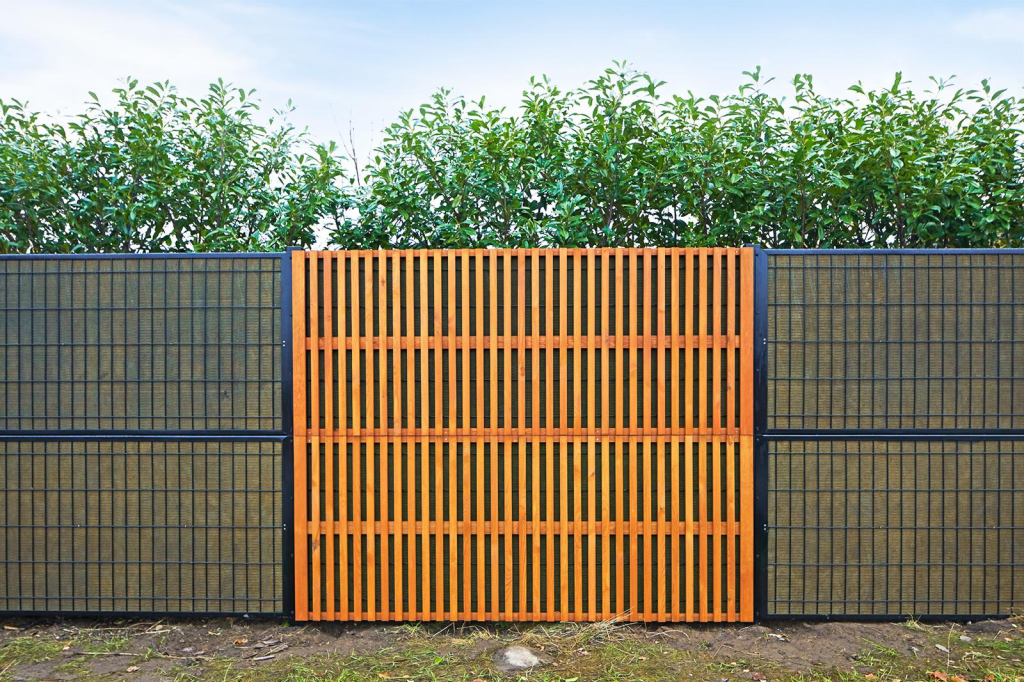
Fences that block noise make more sense once you see how sound behaves. Waves of sound weaken – especially when hitting something thick or materials that soak up vibrations.
A barrier that blocks sound relies on several ways noise travels. It stops waves by working against how they move through air.
Start by stopping the noise mid-air. That fence acts like a wall, cutting off sound before it reaches your house.
Sound hitting a solid wall sends some energy bouncing back. That bounce grows stronger when the material is denser. Reflection happens more when mass goes up. The thicker the obstacle, then less passes through. Energy returns rather than moving forward if weight stands in the way.
Apart from blocking noise, letting materials take in sound works too. Some stuff soaks up the waves rather than bouncing them back.
Fences soak up sound, turning it gently into warmth you never feel. Noise slips quieter past their edge because of this quiet change.
Sound bends when it hits barriers, particularly low ones. This bending happens because of how waves move through space – diffraction shapes that behavior.
Fences that reach higher block more noise sneaking over the edge. Performance hinges closely on how tall they stand.
Fences need to stay unbroken. Where there’s a gap, noise slips right through. Cracks do the same thing. Openings let sound travel without slowing down.
4. Extra Benefits of Noise Reducing Fences
Homeowners often choose soundproof fencing mainly to block out noise. Yet beyond quieter surroundings, such barriers bring other perks too. Privacy increases noticeably once these structures go up. Neighbors find it harder to look into yards. Dust and wind see a drop near homes with them installed. Safety climbs since animals struggle to wander through.
Improved Privacy
A wall meant to stop noise uses thick, unbroken sections to cut down on both sound and sight. Because of this setup, people nearby cannot look inside the yard – whether they’re walking by, driving past, or living next door.
A solid barrier rises where others leave spaces between slats. Comfort grows when noise stays out, privacy steps closer.
Increased Property Value
Fences that block noise can make homes more comfortable. Because of this, they may help balance out one reason people hesitate to buy certain properties.
Folks hunting homes now care more about peace, particularly if living close to streets or shops. Because of that, a barrier blocking noise becomes a clear fix.
Because of better sound insulation, homes tend to draw greater buyer attention. Higher prices at sale time come more easily when quietness is part of the package.
Enhanced Security
Taller by design, soundproof fences often stand firmer than regular ones. Built without gaps, they resist climbing attempts better. Strength comes from how they’re put together – fewer weak spots mean less chance of harm.
A solid barrier goes up around the place. Because of that, people think twice before coming near.
When houses sit close to open areas, a single design handles both safety and sound. From that setup comes quieter living, without giving up protection. Where space is shared nearby, keeping things calm outside means peace inside too.
Wind and weather protection
Apart from blocking noise, these fences handle gusts pretty well. Once the breeze hits them, it loses steam long before your patio feels it.
A sense of quiet settles into patios, gardens, while seating spaces feel more at ease. Comfort outside grows in ways that show without needing words.
Dust and Pollution Reduced
Flying grit shows up often where traffic jams or building work happens. Because of that, a noise-blocking wall can keep those specks out.
A wall of dense material blocks the wind from bringing dirt inside. Because of this, outside spaces collect less grime.
Better Health and Well Being
Fences that block sound might be useful when noise never seems to stop, since too much of it could raise tension or interrupt rest at night. These barriers quietly reduce everyday sounds near houses.
Silence wraps around you like a blanket, easing the mind into deeper calm. Over weeks, thoughts grow clearer, less tangled by noise.
5. Precautions for using soundproof fences
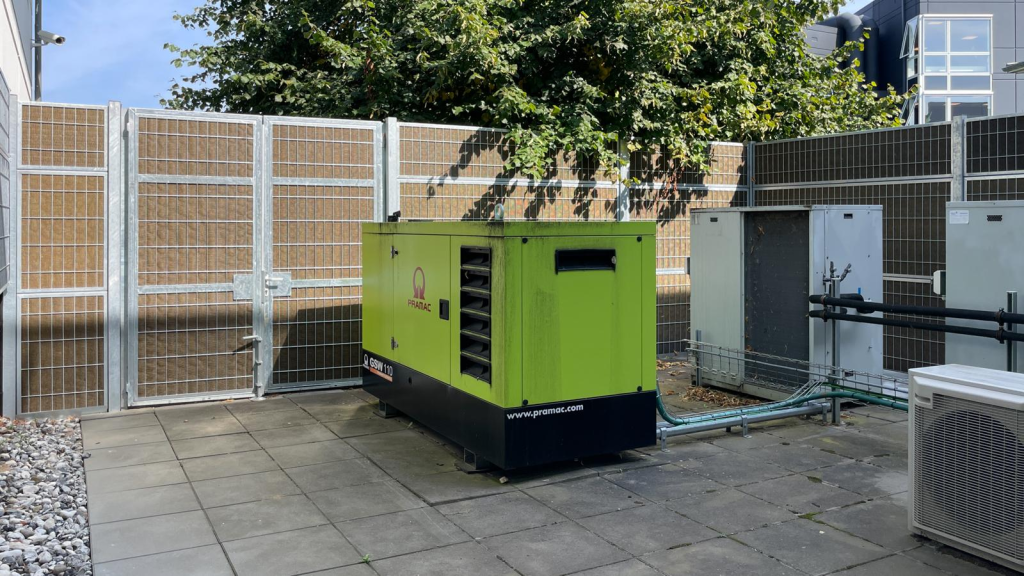
A fence that blocks noise might still fail if planned poorly. When setup lacks thought, top-grade materials can disappoint – or create new problems instead.
Staying aware of essential safety steps keeps results strong over time. What matters most? A steady approach brings lasting trust.
Local Rules for How Tall Fences Can Be
Fences meant to block noise usually stand taller than what most neighborhoods allow. Rules in housing zones commonly limit how high a barrier can be, where it goes, and what it’s made of.
Fines might follow if rules aren’t followed – sometimes even forced take-downs. After setup, that cost adds up fast.
Finding out about local zoning rules comes first – homeowners’ group policies matter just as much when planning construction.
Realistic Noise Reduction Expectations
Fences that block sound can lower volume outside, yet some noise still gets through. Unlike sounds inside buildings, outdoor noises travel in their own way.
Real progress shows up – yet it has its boundaries. Knowing them shapes how you see results.
Achieving what you want often begins by knowing exactly what that is. When people understand the goal clearly, they tend to feel more pleased when it’s reached.
Building Safety and Strong Supports
Heavy soundproof fences rely on thick materials. Over years, shaky bases might lead them to tilt or fall apart.
When putting things in place, think about how the ground feels, where water goes, then what wind might do. Getting the base right matters a lot.
Built right, things stand firm without surprise. A solid base means fewer problems later on.
Choosing Materials Depending on the Kind of Noise
Heavy rumbles demand thick walls to block them. Each kind of sound calls for its own fix.
Frequencies that zip through the air find quiet faster on soft, sponge-like walls. Pick the wrong texture, effectiveness drops like a stone.
A different layout works better when it lines up with where the sound comes from. Fence shape matters most if it faces the right direction.
Sealing Gaps and Openings
Through tiny holes, sound moves without effort. Where there’s a slit, noise slips in – quiet fades. Cracks welcome noise like open doors. A pinprick gap weakens barriers fast. Openings, no matter how slight, let walls fail.
Sealing every joint and edge matters a lot. Because gaps let noise slip through, solid coverage works better when it comes to stopping sound.
Over months, checks keep things running smoothly. A steady eye spots issues before they grow. Little by little, attention prevents bigger problems down the road.
Maintenance and Long Term Care
Facing sun, rain, or frost might twist a material out of shape, even split it apart. When that happens, sound finds more ways through.
Avoid delays when fixing issues. Smooth operation comes from regular upkeep.
Maintenance skipped today means bigger bills tomorrow.
Planning Costs and Managing Budgets
Cost jumps when choosing sound-blocking fences instead of regular ones. Special materials show up in both build and setup steps.
Picking the lowest price usually brings weak outcomes. Money gets lost that way.
A solid purchase often lasts longer than expected. What you gain over time surprises most people.
Conclusion
Fences that stop sound work well right where noise begins. Before those noises get to your place, this kind blocks them quietly. Comfort grows, so does privacy, simply by standing between you and the outside world.
Start strong by picking fence materials that fit how you live. A well-thought layout sets clear limits without guesswork. Height matters just as much as where it stands. Good choices early mean fewer fixes later. Location shapes function more than most expect.
Apart from cutting down on noise, a quiet backyard barrier boosts worth, safety, and how much you can enjoy outside space. When life at home feels loud nonstop, this kind of setup brings calm that sticks around.
 English
  Spanish
  Portuguese
  German
  French
  Italian
  Japanese
  Korean
  Russian