


Table of Contents
Fences often become a priority when factory floors heat up. Pressure builds during safety checks, machine updates, or floor plan shifts. Lately, fences used in factories have gotten smarter. These days, workshop barriers snap together like puzzle pieces, fit specific spaces, change shape when needed, sometimes talk to machines. Picking one means seeing how well it works plus what the shop actually deals with every day.
A workshop fence isn’t just metal or wood – it carries purpose. What it costs often reflects how it’s built, though price alone won’t tell the whole story. Some setups demand precision, others favor speed, depending on daily tasks at hand. Installation quirks can shift based on workspace layout, rarely fitting one-size rules. Choices ripple through performance, long after setup ends. Clarity comes from matching real needs to actual use, not chasing specs.
1. The Importance of Workshop Fences in Factory Safety Protection
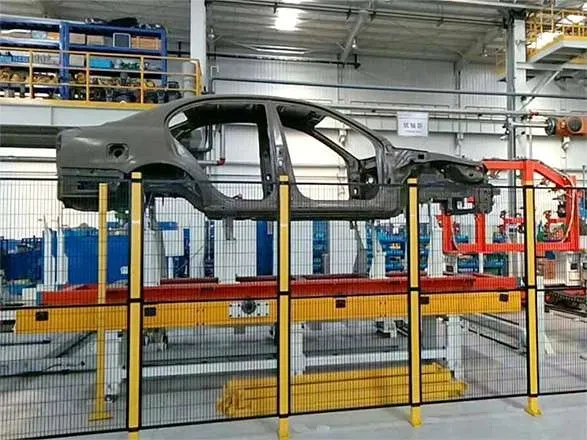
Looking at safety perks comes later. First, know this: workshop fencing does more than block space. It acts like a built-in guard mechanism where machines run. What follows shows how fences anchor today’s plant safety plans. Not just barriers – they shape how risk gets managed on the floor.
Preventing Workplace Accidents
Standing guard like quiet sentinels, workshop fences block access to dangerous machines. Because they keep people apart from spinning parts, injuries drop sharply. When robots run the show, having that shield becomes non-negotiable.
Boundaries drawn clearly help workers stay alert. Where fences mark off limits, people naturally steer clear of hazards. Separation seen by eye builds stronger habits around safety.
Meeting safety regulations and compliance
Fences around dangerous areas aren’t just practical – they’re usually required by law. When rules set clear expectations, meeting them becomes part of the routine. A well-chosen barrier doesn’t only block access – it also lines up with industry regulations. For plant managers, that means fewer surprises during inspections.
Safety rules in numerous nations call for machines to be enclosed. Without the right barriers, penalties might follow – or work could halt. When fences meet standards, they shield both workflow and legal standing.
Protecting Equipment and Production Assets
Fences aren’t just for keeping workers safe. Valuable machines need guarding too. When setups involve delicate manufacturing steps, a solid barrier makes a difference. Protection comes through smart layout choices.
Fences around work areas keep unwanted people out, safety first. Machines shaped by computers run workshops now, costly but precise. Robotic limbs move parts without a person nearby. Fewer accidents happen when access is blocked automatically.
Smarter Workflows Better Spaces
Fencing does more than just protect – it shapes how work flows. When areas are laid out with clear boundaries, tasks move faster, mistakes happen less. Separating zones by actual barriers makes actions safer, easier to follow. How people move and what they do fits better when space is divided right.
Zones that are easy to recognize help sort things inside better. When paths, spots for tools, or equipment spaces stand out clearly, mix-ups drop. Seeing where one area ends and another begins makes work go smoother. Less hesitation happens when layout speaks before words.
Helping manage risks over time
Fences show up in plans meant to last, shaping how risks get handled over time. Not something tossed up fast, they stand as steady protection built to stay.
A solid barrier along the work area fits into a bigger plan for staying safe. Because it blocks hazards, fewer accidents happen on site. When risks are stopped early, expenses stay lower than paying out later.
2. Confirming the Material and Structural Design of the Workshop Fence
Fencing matters more than most think. Picking what goes into it comes right after that realisation. Workshops differ wildly, so one-size-fits-all fails every time. Materials behave in ways people often overlook. Getting them wrong burns money fast.
Common materials used in workshop fences
When picking what to build with, think about how long it will last, how much upkeep it needs, because that shapes the price too. Common options for fences in factory workshops show up next.
Carbon Steel
Stronger than many expect, carbon steel fits well inside typical factory spaces. Found almost everywhere, this material holds up under pressure without draining budgets. When left bare, though, moisture will find its way in. Protection matters – paint or coating keeps decay away. Lasting use depends on how it’s shielded from damp air.
Stainless Steel
Fresh air and clean surfaces matter most in certain workspaces – here, stainless steel fits naturally. Where harsh conditions test materials daily, this metal holds up without fading or breaking down.
With a strong ability to resist rust, stainless steel stands out. For settings like food prep, medicine making, or controlled rooms, it fits well. What makes it work so well? Cleanliness stays easier, lasting power sticks around. Toughness paired with low contamination risk gives it an edge.
Aluminum Alloy
When lightness matters most, aluminum fencing could fit well. Shifting workshop layouts might benefit from their manageable build.
A fence made of aluminum weighs less, making setup simpler. Because it does not rust on its own, upkeep stays low. Factories shifting their space often find this material works well.
Structural Design Considerations
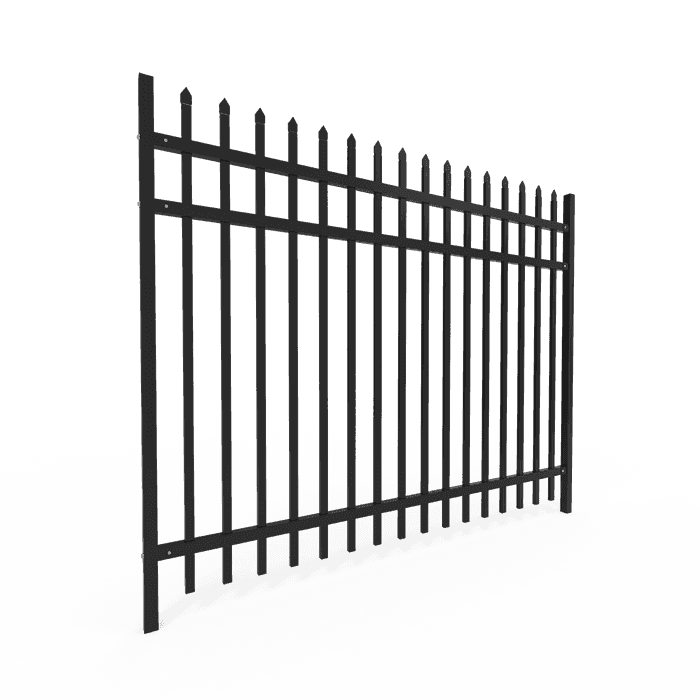
Fences work better when built right, not just made of good stuff. What really matters? How they’re put together. Each part plays a role under tough shop floor demands. Think about support spacing – too wide, things sag. Bracing patterns change how it handles bumps. Height affects stability more than most guess. Joints need to lock tight without cracking later. Mounting method decides if it stays upright during busy shifts. Little choices add up fast out there.
Mesh Size Affects Visibility
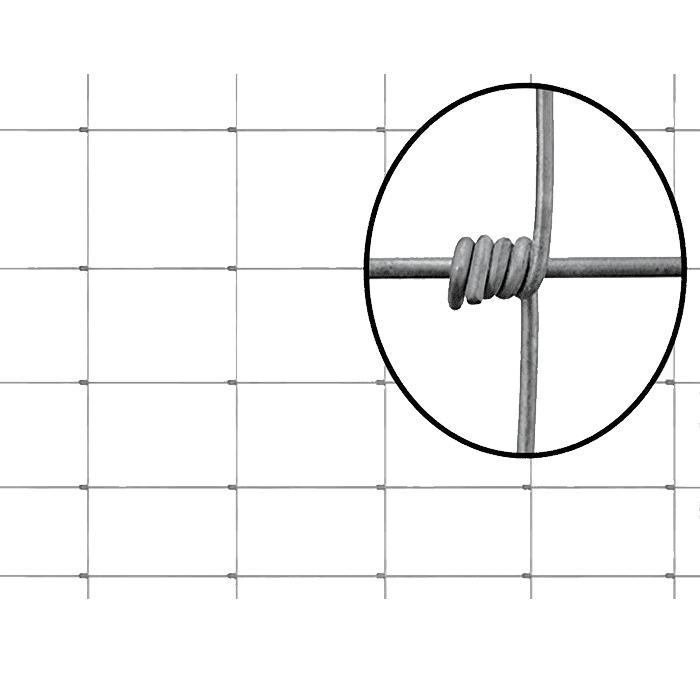
A web-like setup shapes how well things stay shielded and how clearly work can be seen. Getting it right means safer conditions while still keeping oversight clear. What matters is not just blocking risks but seeing what happens.
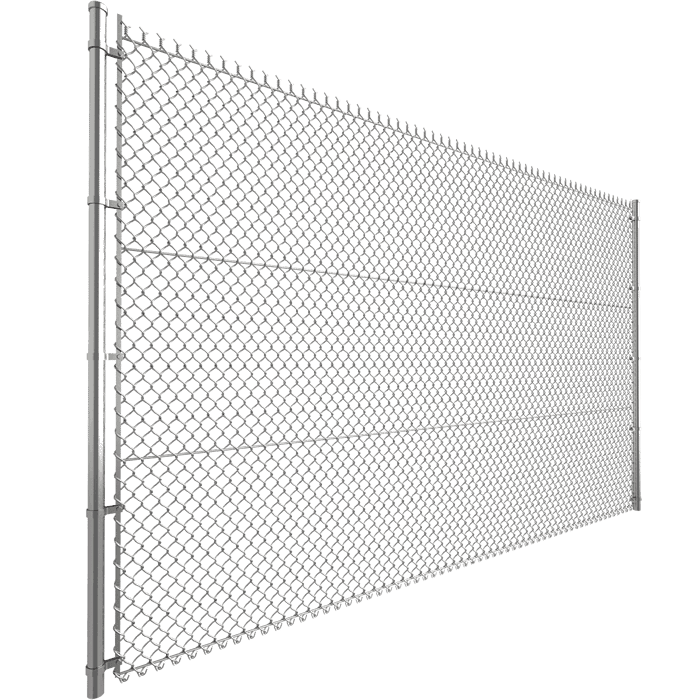
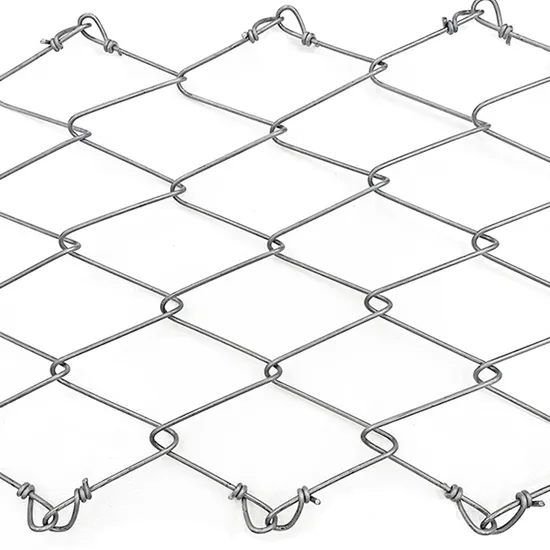
When holes are tiny, they block more stuff from getting through. Bigger gaps let air move better while making it easier to see across. What works best comes down to how the space will be used.
Frame Thickness and Strength
When jobs get tough, bones matter most. Thick frames shrug off hits better than thin ones do.
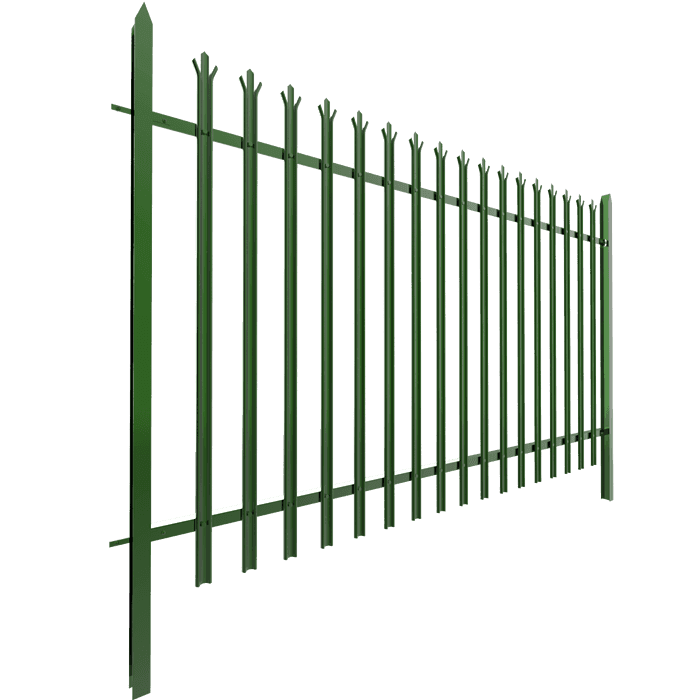
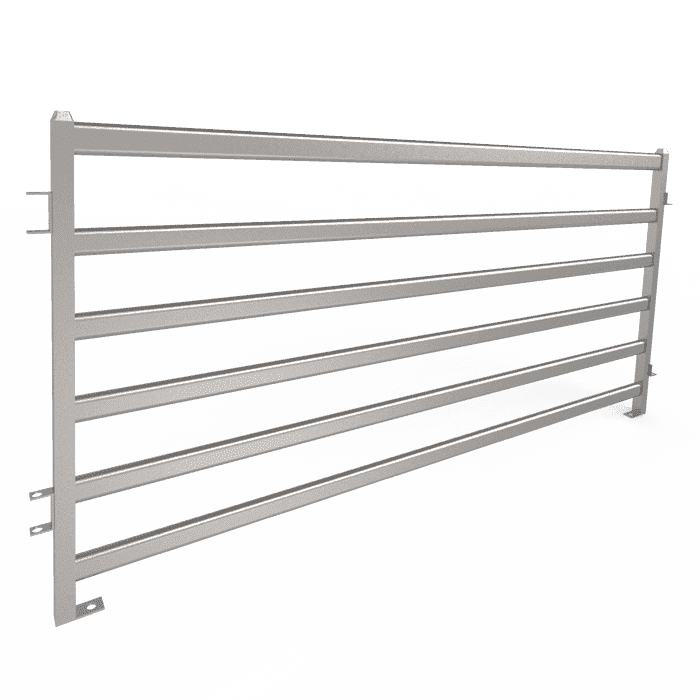
Heavy-duty frames handle bumps without failing. Where forklifts roll through, stronger panels work longer. Toughness must line up with how hard the space gets used.
Pressure can warp slim panels even if they cost less at first. Though cheaper up front, their durability often fails over time.
Modular Design With Flexible Options
Factories today shift their setups when tasks evolve. So it matters how easily things can bend without breaking.
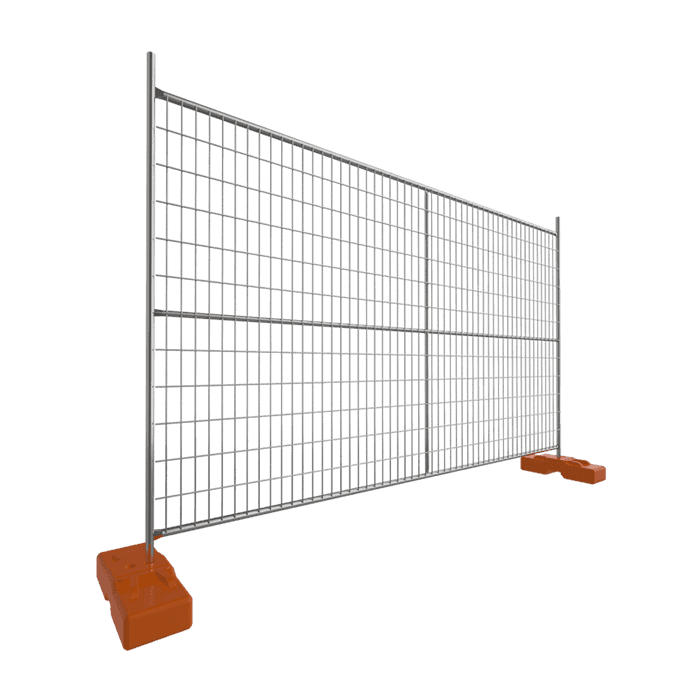
Factories that grow need space changes. These fences adjust without hassle. Over months, how things are built shifts. Fitting new patterns happens fast.
Sliding sections here, shifting barriers there – setup shifts easily. When parts connect piece by piece, redoing spaces later cuts expense. Bending with change? That’s a quiet edge others miss.
Gate and Access Design
Fences around workshops mean little without solid access rules. Picking the right gate shapes how smooth – yet secure – entry feels.
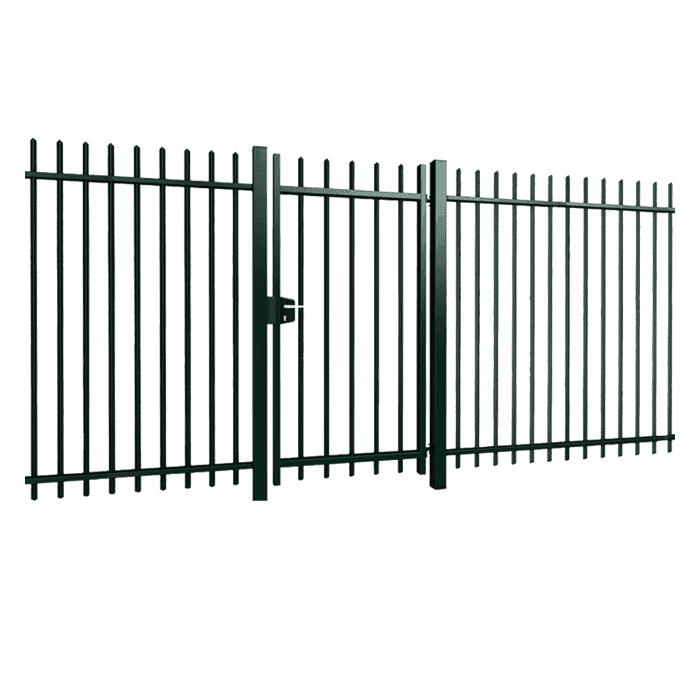
Pulling open sideways, sliding gates fit tight spots without needing extra room. Instead of swinging wide, these stay flush against walls. Hinges move inward or outward on swing models, which keep things basic yet affordable. When locked by a motorized system, entry points become harder to bypass.
3. Market Price Basics for Workshop Fences
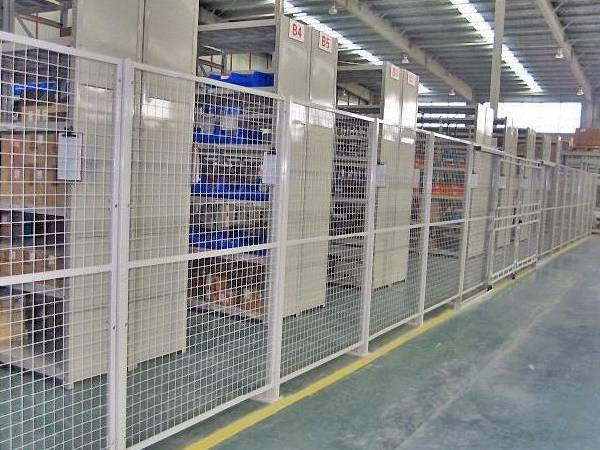
Once you know what it’s made of and how it’s built, figuring out cost comes naturally. Prices shift a lot depending on details or special changes. Seeing how things are priced elsewhere shapes smarter spending choices.
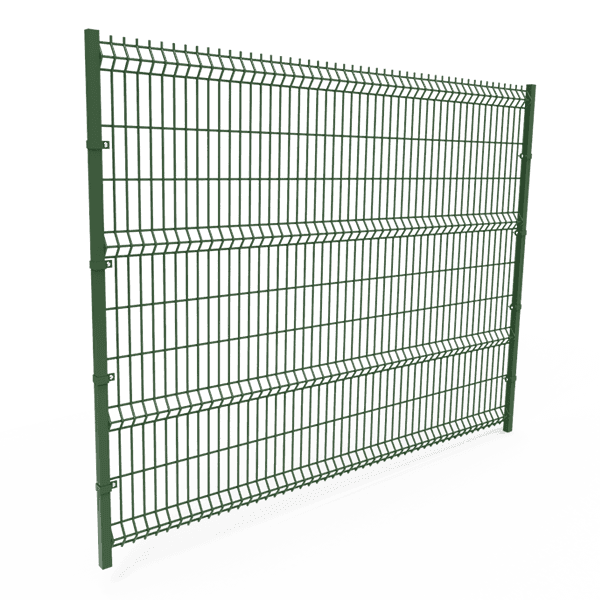
Depending on what it is made of, how tall, thick, or customized, a workshop fence can cost different amounts. Steel mesh versions often come out cheapest. These work well inside buildings to divide spaces.
A step up in strength, mid-range fences come with tougher frames along with improved surface protection. Because of that, they tend to last quite a bit longer. You will often spot them inside production sites where machines do most of the work.
Some top-tier models come built with stainless steel, along with tech-enabled entry systems. Where safety or cleanliness matters most, these units often appear. Cost goes up when features get more capable.
A twist in design means more money spent. When sizes stray from the norm or finishes get unusual, production takes extra turns. Standard panels slip through factories faster. Savings show up when choices stay common.
4. Workshop Fence Installation and Maintenance Expenses
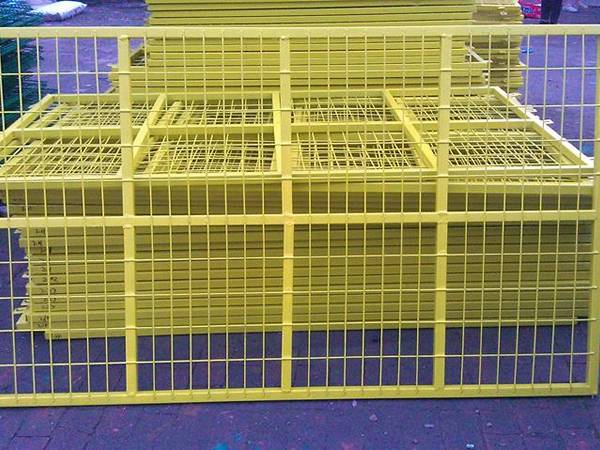
A fence isn’t just about what it costs at checkout. Hidden behind the sticker price are setup fees and ongoing upkeep. Each year adds up when repairs roll around. Thinking early helps dodge surprise bills later down the road.
A solid setup begins with how it’s put together. When anchors go wrong, the whole barrier suffers. Getting things right at first avoids costly fixes down the line.
Floor flaws change how much it costs to install things. Because bumps mean extra prep steps must happen first. When everything sits flat, pieces line up right, lasting longer that way.
Pieces fit together quickly, cutting time needed before running. Because parts connect fast, work keeps moving without long pauses. When setup flows smooth, money stays saved on daily operations.
Picking materials shapes how much care is needed. Steel coated with zinc stays trouble-free most of the time. Stainless handles wear without asking for attention. Spotting tiny flaws early stops big breakdowns later.
5. Finding Where Workshop Fences Work in Factories
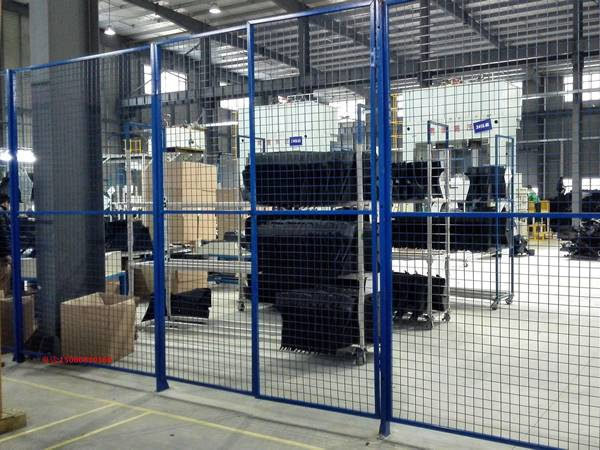
A single wrong choice here can undo weeks of planning. Workspaces differ wildly – one might need tight corners, another open flow. What works on paper often fails when machines start humming. Safety only sticks if it fits how people move during shifts.
Robotic Production Lines
Fences show up where machines move quick, blocking danger before it spreads. When systems race ahead, barriers step in – simple shields in messy setups.
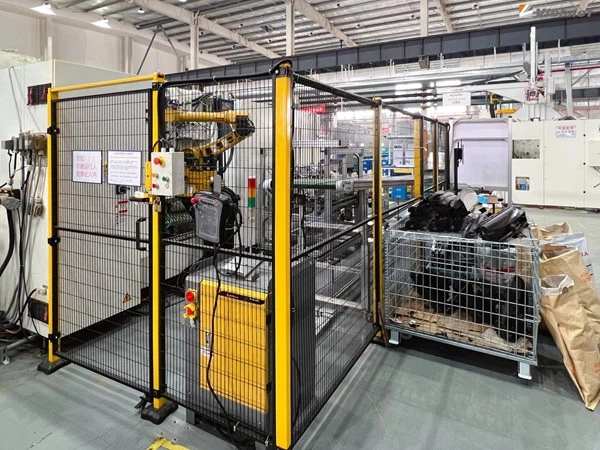
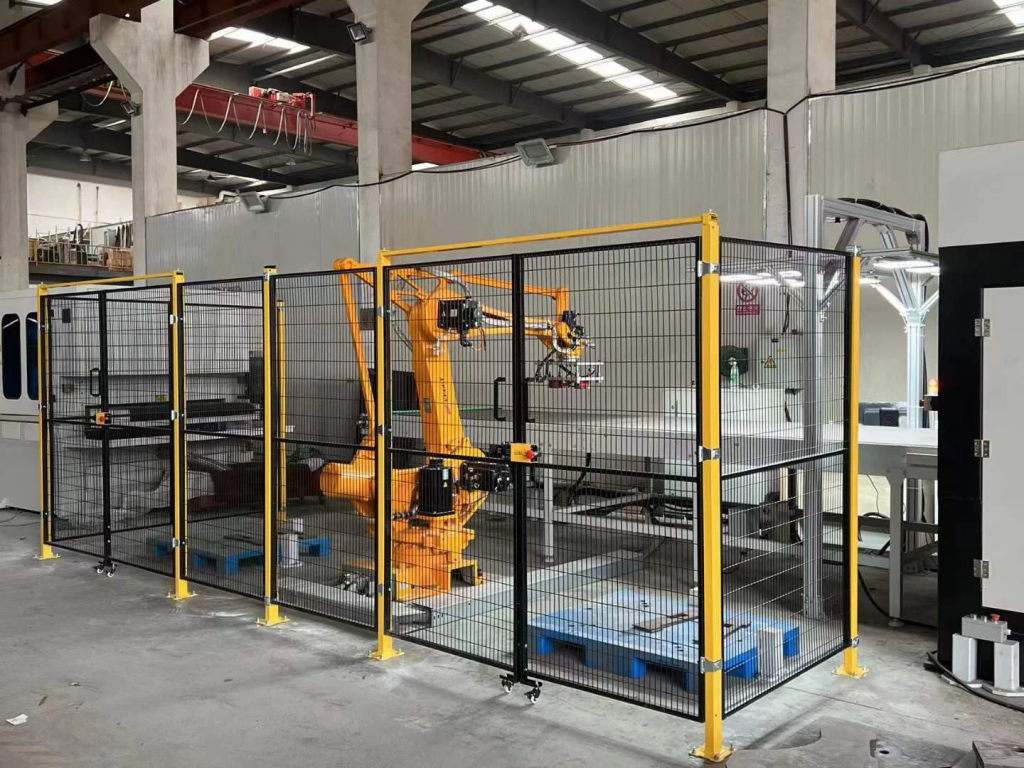
Quick motions come from robotic arms, so barriers keep people out of danger areas. When guards are breached, safety switches cut power automatically. Protection goes up when these locks work together.
A single misaligned guard can disrupt an entire workflow. When distances between components stay accurate, movement flows without pause. Connected signals from sensors feed data directly into management units. Machines respond faster when boundaries are set just right.
Warehousing and Logistics Spaces
Fences draw clear lines where goods stay put, shaping space with purpose. Security grows when boundaries guide movement through a warehouse.
Fences around workshops set up clear areas for storing things. Because they block entry, only allowed people reach what’s inside. Watching what happens stays possible through open designs. What you can see helps keep track without getting close.
Fencing draws a line between loading zones and work areas in logistics spots. That keeps accidents less likely. Clear borders help things run smoother.
Food and Pharmaceutical Factories
Not just any barrier works where cleanliness matters most. What it’s made of has to meet tough rules instead.
What keeps things clean matters a lot here. Fences made of stainless steel hold up against rust while making wipe-downs simple. Contamination finds no grip on even, seamless finishes.
Failing to meet rules here brings serious consequences. Picking the right substances means passing checks without delay. Smooth layouts keep daily work running within required limits.
Heavy Machinery Workshops
When things get tough in big factories, buildings need tougher bones. Banging and crashing? That’s where solid builds matter most.
Built tough, these units shrug off hard knocks where work gets rough. When things bump often, strong steel skeletons hold firm. Lasting longer means fewer fixes piling up over time.
Fences you can see through help keep machines in check. From a safe spot, staff watch operations closely. Strong enough to protect, yet open enough to see – this balance matters most. Glass-like barriers do both without hiding what’s inside.
Flexible Expanding Production Spaces
Fences built today might need to shift tomorrow. When a plant grows, its barriers can stretch along – no teardown needed.
When factory floors change often, modular fences make life simpler. Moving sections takes little effort. Costs drop because rebuilds happen less.
Conclusion
Workshop fencing begins with what keeps workers safe. Different materials handle stress in their own way – some bend, others resist corrosion better. The frame shape matters just as much as strength. Price tags shift depending on how it fits into the daily workflow. Real use cases show where one type wins over another. Long runs reveal if choices help or hurt output.
Fences that fit right keep people safe while meeting rules at work. Not just lines on the floor – these things hold the whole system together. When you map things out now, fewer problems pop up later in daily runs.

 English
  Spanish
  Portuguese
  German
  French
  Italian
  Japanese
  Korean
  Russian