Table of Contents
A pig fence is one of the most critical structures on any pig farm, directly affecting animal control, land protection, and long-term operating costs. In 2025, pig fencing has evolved to focus on durability, behavior control, and reduced maintenance rather than simple physical separation.
Whether used for small backyard pig keeping or commercial-scale livestock production, a well-designed pig fence prevents escapes, limits land damage, and supports efficient daily farm routines. This guide explains pig fence purposes, types, benefits, installation methods, selection criteria, and maintenance practices in a practical, decision-focused way.
1. Why Install Pig Fence?
Pig fencing is essential because pigs are powerful animals with strong rooting instincts and high intelligence. Without a properly designed fence, pigs will constantly test boundaries and exploit weak points.
A reliable fence creates structure within the farm, improving safety, productivity, and overall livestock control. The following points explain why pig fencing is a non-negotiable part of pig farming.
Control of Pig Movement
A pig fence defines clear boundaries that limit where pigs can move throughout the day. This control allows farmers to manage feeding zones, resting areas, and grazing sections more efficiently.
When pigs remain within assigned areas, daily tasks such as feeding, cleaning, and monitoring become more predictable. This structure reduces chaos and improves overall herd organization.
Protection of Crops and Soil
Pigs naturally root into the ground, which can quickly destroy crops and pasture if left uncontrolled. A strong fence prevents pigs from accessing gardens, crop fields, and sensitive soil areas.
By protecting land from constant disturbance, farmers preserve soil structure and reduce erosion. This leads to healthier pastures and lower replanting costs over time.
Improved Animal Safety
Fencing keeps pigs away from roads, water hazards, and dangerous terrain. It also reduces the risk of pigs encountering predators or hostile animals.
A safer environment leads to fewer injuries and lower mortality rates. Healthy pigs grow faster and require fewer veterinary interventions.
Enhanced Biosecurity
A secure pig fence limits contact between pigs and wild animals or neighboring livestock. This reduces the chance of disease transmission across farms.
Controlled access points also make it easier to implement hygiene and quarantine measures. Strong fencing supports long-term herd health management.
Legal and Community Compliance
Many regions require livestock owners to prevent animals from roaming freely. Proper fencing helps farmers meet legal obligations and avoid penalties.
Clear boundaries also reduce conflicts with neighbors caused by escaped pigs. This protects relationships and farm reputation.
Reduced Stress for Farmers and Animals
Knowing pigs are securely contained reduces constant supervision and anxiety. Farmers can focus on productivity instead of chasing animals.
Pigs also experience less stress when kept in stable environments. Reduced stress improves feeding behavior and weight gain.
2. Types of Pig Fence
Different pig fence types serve different purposes depending on herd size, land conditions, and management goals. Understanding how each fence works helps farmers choose solutions that match real-world demands.
Below are the most commonly used pig fence types in 2025, explained in practical detail.
Electric Pig Fence
Electric pig fences use short electrical pulses to train pigs to respect boundaries. After a few contacts, pigs learn to avoid the fence and stop testing it.
This type of fence is cost-effective for large areas and flexible layouts. However, it depends heavily on consistent power supply and regular voltage checks.
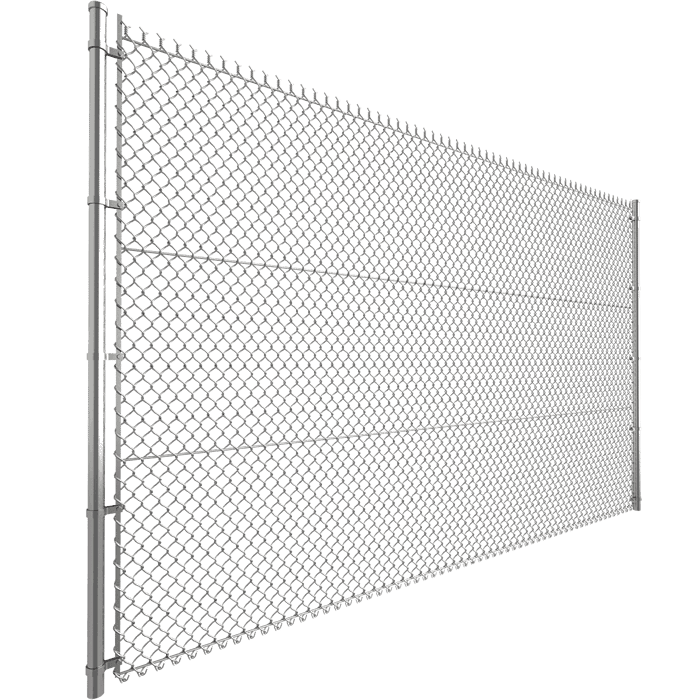
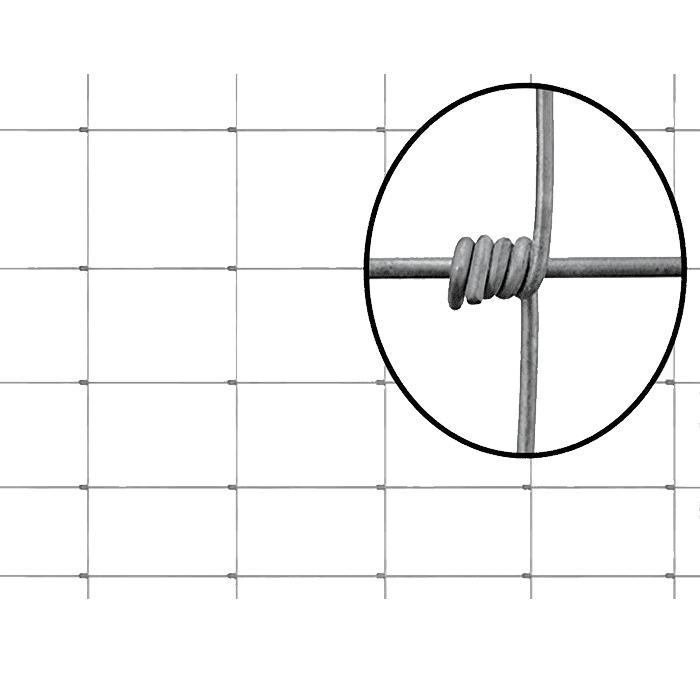
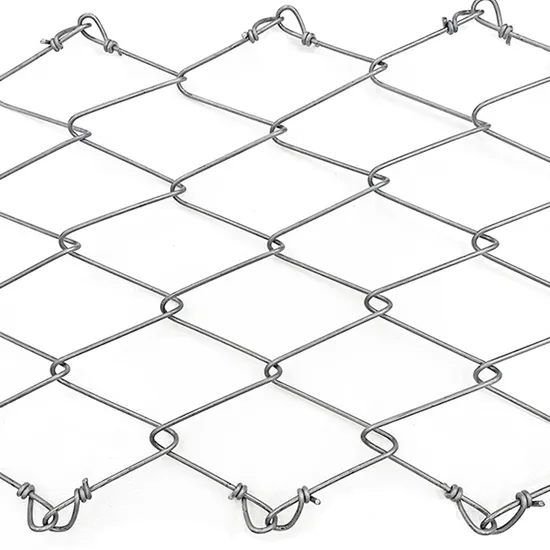
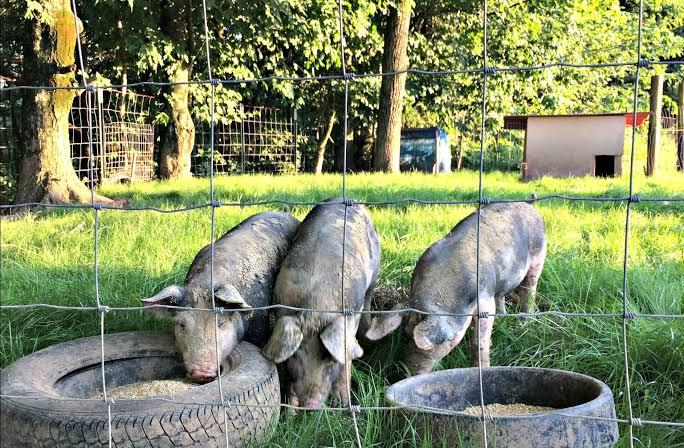
Woven Wire Pig Fence
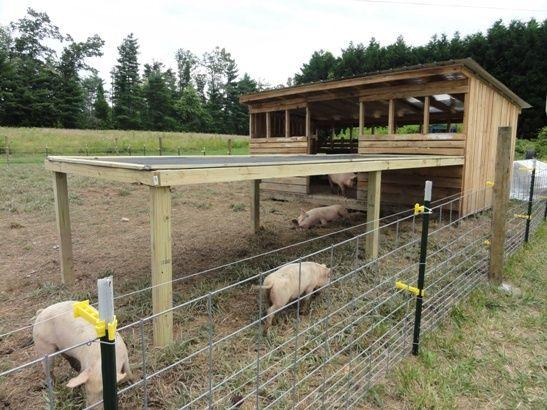
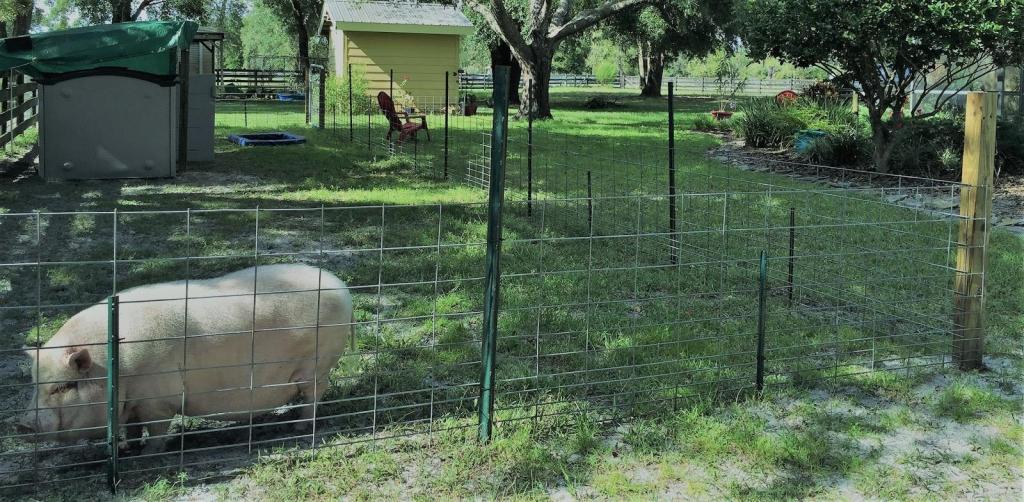
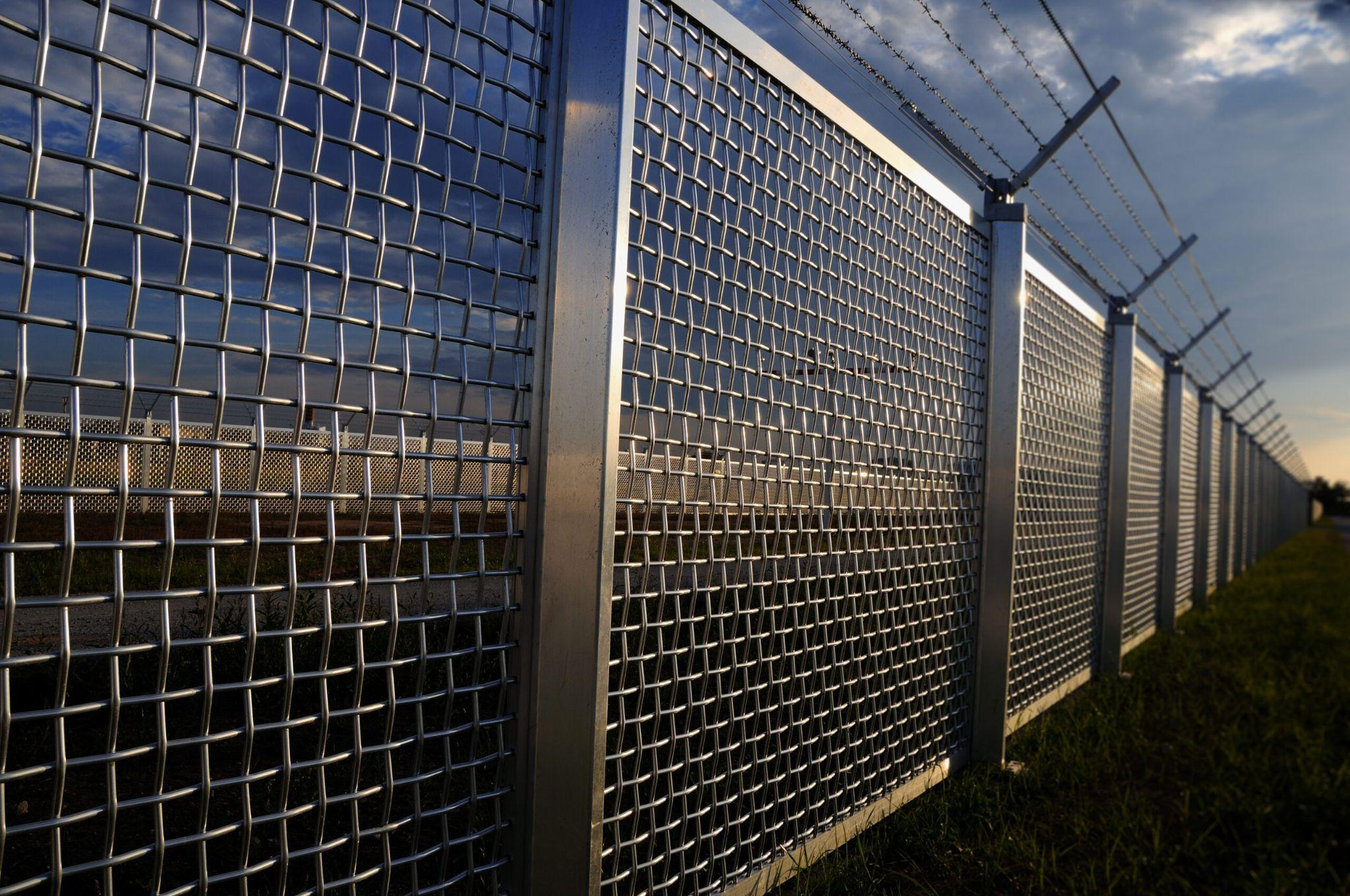
Woven wire fences consist of tightly spaced wire patterns that physically block pigs from pushing through. They are particularly effective for adult pigs and breeding stock.
These fences offer long-term durability and require minimal training for animals. Proper installation with strong posts is critical to prevent sagging or lifting.
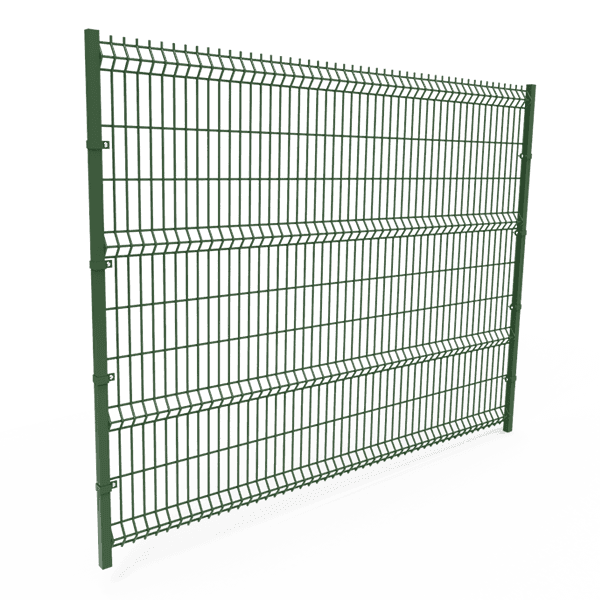
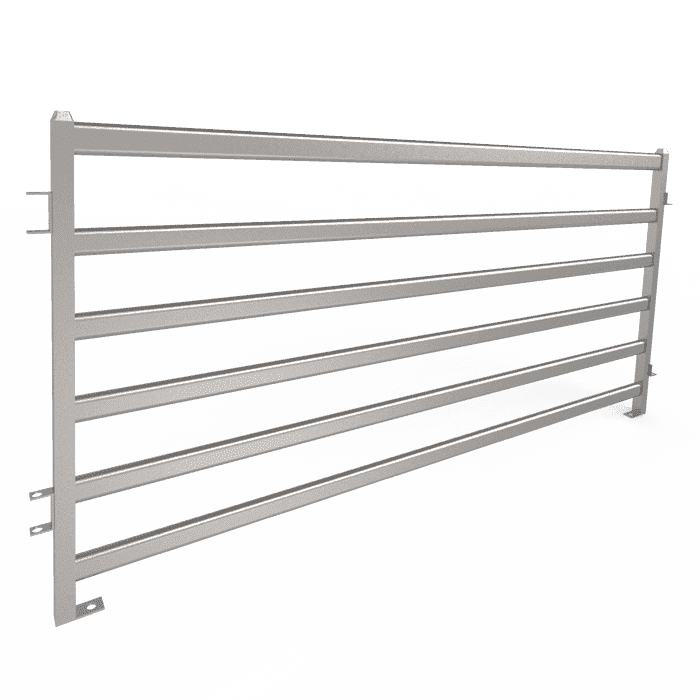
Hog Panel Fence
Hog panels are rigid steel panels designed specifically to withstand pig pressure. They are commonly used in pens, farrowing areas, and feeding zones.
Their rigidity makes them highly resistant to bending or damage. However, they are less adaptable to uneven terrain and have higher upfront costs.
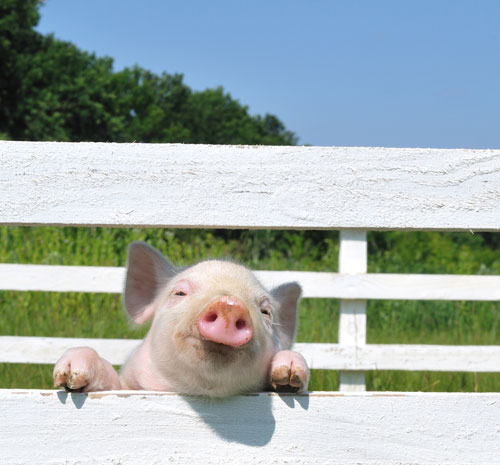
Wooden Pig Fence
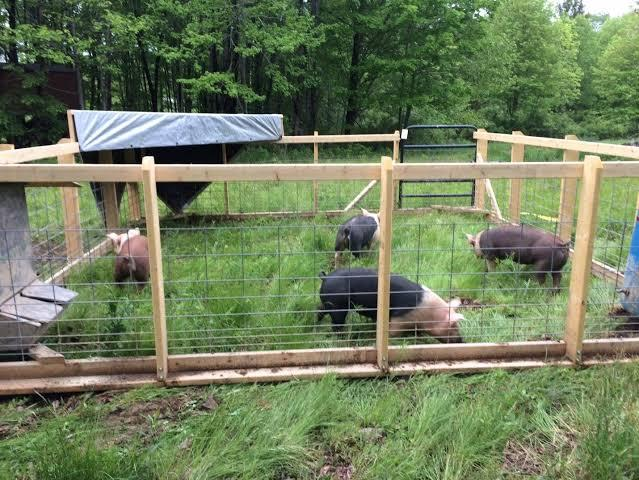
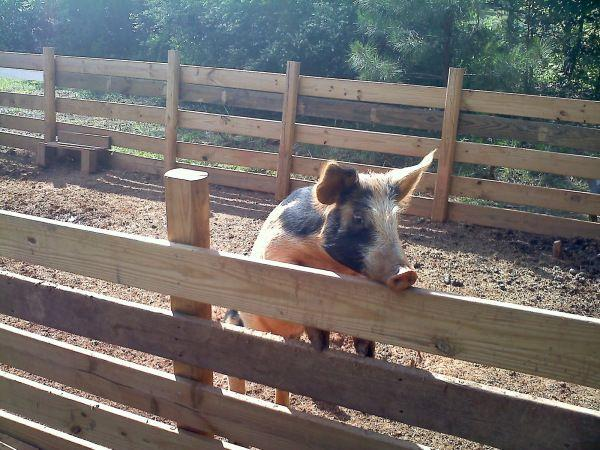
Wooden pig fences use thick posts and horizontal rails to form a physical barrier. They are often chosen for small farms or traditional setups.
While sturdy when built correctly, wood requires frequent inspection and maintenance. Moisture and chewing can weaken wooden components over time.
Combination Fence Systems
Combination fencing uses a physical fence reinforced with one or more electric wires. The electric component discourages pigs from testing the main barrier.
This approach reduces wear on the physical structure and extends fence lifespan. It is especially useful for strong or aggressive pigs.
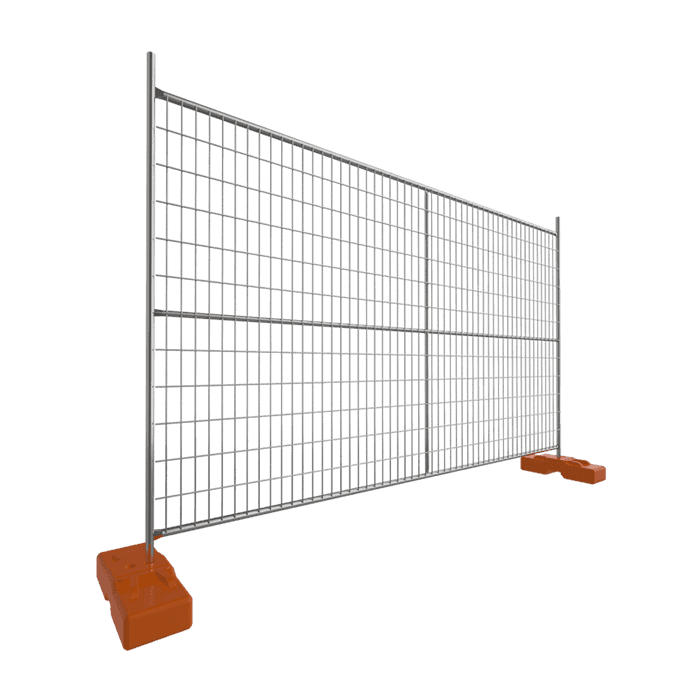
Temporary and Portable Fencing
Portable pig fences are designed for short-term or rotational grazing use. They allow farmers to change layouts without permanent construction.
These fences work best for lighter pigs and controlled environments. They are not suitable for long-term containment of heavy animals.
3. The Benefits of Pig Fence for Livestock
A properly designed pig fence delivers benefits that go beyond containment. It directly affects animal welfare, productivity, and operational efficiency.
The following benefits highlight how fencing supports healthier livestock and better farm outcomes.
Improved Animal Welfare
Fenced environments reduce injuries caused by wandering, fighting, or exposure to hazards. Pigs remain in familiar spaces that support natural behavior.
Stable surroundings lower stress levels and improve overall health. Healthy pigs convert feed more efficiently.
Better Feeding Control
Pig fences keep animals close to designated feeding points. This reduces feed loss caused by trampling or uncontrolled movement.
Controlled feeding zones allow farmers to monitor intake and adjust rations accurately. This improves growth consistency.
Efficient Breeding Management
Fencing allows separation of breeding stock based on age, sex, or reproductive stage. This improves mating control and record accuracy.
It also reduces aggression during breeding periods. Predictable breeding leads to better herd planning.
Lower Labor Requirements
When pigs are properly contained, less time is spent correcting escapes or managing chaos. Daily farm routines become faster and safer.
Labor efficiency increases as herd size grows. This is especially valuable for commercial operations.
Protection of Farm Infrastructure
Pigs can damage water lines, buildings, and storage areas if given access. Fencing restricts pigs from sensitive infrastructure.
Protecting these assets reduces repair costs and operational downtime. Infrastructure lasts longer.
Improved Land Management
Fences enable rotational grazing and controlled land use. Pastures recover better when pigs are moved systematically.
This improves soil health and long-term productivity. Sustainable land use becomes easier to achieve.
Better Disease Monitoring
Fenced pigs are easier to observe daily for signs of illness or injury. Farmers can quickly identify changes in behavior, appetite, or movement.
Early detection allows faster treatment and reduces disease spread. This lowers veterinary costs and mortality rates.
Improved Feed Cost Control
By limiting pig movement, fences reduce feed theft, spillage, and wastage. Feed remains accessible only to the intended animals.
Better feed control improves feed conversion efficiency. This directly impacts profitability, especially at scale.
Safer Handling and Transportation
Contained pigs are easier to guide, sort, and load for transport. This reduces stress and injury during handling.
Safer handling protects both animals and workers. It also speeds up routine operations.
Better Separation of Age Groups
Fencing allows clear separation of piglets, growers, and mature pigs. Each group can be managed according to its nutritional and health needs.
This separation reduces bullying and competition. Growth performance becomes more consistent.
Improved Record Keeping
When pigs are kept in defined sections, tracking growth, breeding, and health records becomes easier. Farmers can assign data to specific groups.
Accurate records support better decision-making. This improves long-term herd planning.
4. Several Practical Tips for Installing Pig Fences
Even the best fence materials will fail if installation is poor. Proper planning and technique are essential for long-term performance.
These practical tips focus on installation details that significantly improve fence reliability.
Secure the Bottom Edge
Pigs often attempt to dig or push under fences. Securing the bottom with buried wire or anchors prevents escape routes.
A tight bottom edge also protects young piglets. This reduces early losses.
Reinforce Corner and End Posts
Corner posts experience the highest tension in a fence system. Reinforced posts maintain fence alignment over time.
Strong anchors prevent leaning and sagging. This preserves structural integrity.
Maintain Correct Fence Height
Fence height influences how pigs interact with it. Adequate height discourages climbing and excessive pushing.
Correct height also accommodates pigs as they grow. This reduces the need for modifications.
Combine Physical and Electric Elements
Adding electric wires trains pigs to avoid contact. This reduces pressure on physical barriers.
Combined systems last longer and require fewer repairs. They are especially effective for strong pigs.
Adapt Installation to Terrain
Uneven land creates gaps if not addressed properly. Flexible layouts prevent weak points.
Adjusting post spacing improves fence strength. Terrain-aware installation prevents failure.
Install Secure Gates
Gates are common escape points if poorly designed. Secure latches and strong frames are essential.
Proper gate placement improves workflow. It also enhances safety.
5. How to Choose the Right Pig Fence for Your Livestock?
Choosing the right pig fence requires matching fence characteristics with farm realities. Poor choices often lead to repeated upgrades.
The factors below help guide informed decision-making.
Pig Size and Strength
Different pig sizes apply different pressure to fences. Larger pigs require stronger materials.
Planning for growth prevents premature fence failure. Strength should match animal behavior.
Farm Size and Layout
Small farms benefit from simple fencing. Large farms require scalable systems.
Layout complexity affects fence design. Expansion plans matter.
Budget and Lifetime Cost
Initial cost is only part of the investment. Maintenance and repairs add long-term expense.
Durable fences often save money over time. Cheap solutions fail sooner.
Climate and Environment
Weather affects materials differently. Moisture can rot wood and corrode metal.
Choosing climate-appropriate materials increases lifespan. This reduces replacements.
Labor and Maintenance Capacity
Some fences need frequent checks. Others require minimal attention.
Labor availability influences practicality. Low-maintenance systems save time.
Need for Flexibility
Farming needs change over time. Flexible fencing adapts to new layouts.
Modular systems support growth. They offer better long-term value.
6. How to Maintain a Pig Fence?
Maintenance ensures pig fences remain effective throughout their lifespan. Neglect leads to rapid failure.
Consistent care protects livestock and investment.
Routine Fence Inspections
Walking the fence line helps identify damage early. Small issues are easier to fix.
Regular checks prevent escapes. They reduce repair costs.
Immediate Repairs
Pigs quickly exploit weak spots. Delayed repairs worsen damage.
Prompt action maintains fence reliability. It prevents repeated failures.
Electric Fence Power Management
Electric fences require stable voltage. Weak power reduces effectiveness.
Regular testing ensures proper operation. Vegetation should be cleared.
Vegetation Control
Plants can weaken fences and hide damage. Clearing improves visibility.
It also prevents grounding electric wires. Fence performance improves.
Post and Anchor Stability
Posts must remain firm and upright. Loose posts reduce tension.
Replacing weak posts preserves structure. Stability is critical.
Seasonal Adjustments
Weather changes affect soil and materials. Seasonal checks prevent issues.
Adjustments improve durability. Fence life is extended.
Conclusion
A pig fence is a foundational investment that directly impacts livestock control, land protection, and farm efficiency. In 2025, successful pig fencing focuses on matching fence design to animal behavior, terrain, and long-term management goals.
By understanding fence types, installation practices, selection factors, and maintenance routines, farmers can build reliable systems that reduce losses and labor. A well-planned pig fence supports healthier pigs, better land use, and sustainable farm operations over the long term.