


Table of Contents
Fences make sure nothing falls apart while managing livestock. Without solid borders, cattle could end up anywhere but where they belong. Predators find it harder to reach sheep if fences stand firm. Once paths are defined, moving animals between fields turns more predictable. A setup that suits one group of animals might fall short for others – ground conditions and habits shape what works. Fences wear out slower if built right from the start. Yet strength alone won’t help when placement ignores animal habits. Often it’s the corners that fail first, not the middle. During heavy winds, weak spots shout themselves clear. Mating season tests patience, but also gates. Drought changes how far creatures roam, proving planning matters.
Farmers tending livestock usually search online for tips on guarding their groups of animals. Trouble shows up when barriers break down – stronger pens stop most issues before they start. Stopping theft counts just as much as making sure grazing land gets proper use. Fewer repairs mean more hours saved, effort preserved, peace gained.
Cows need strong boundaries, sheep demand tight gaps – what counts is matching the fence to its job. Because every pasture acts differently, results depend on design meeting real ground conditions. Mistakes lead to escapes, extra work, headaches piling up quick. A solid match means fewer problems, less time chasing livestock across fields.
1. Purpose of Cattle and Sheep Fences
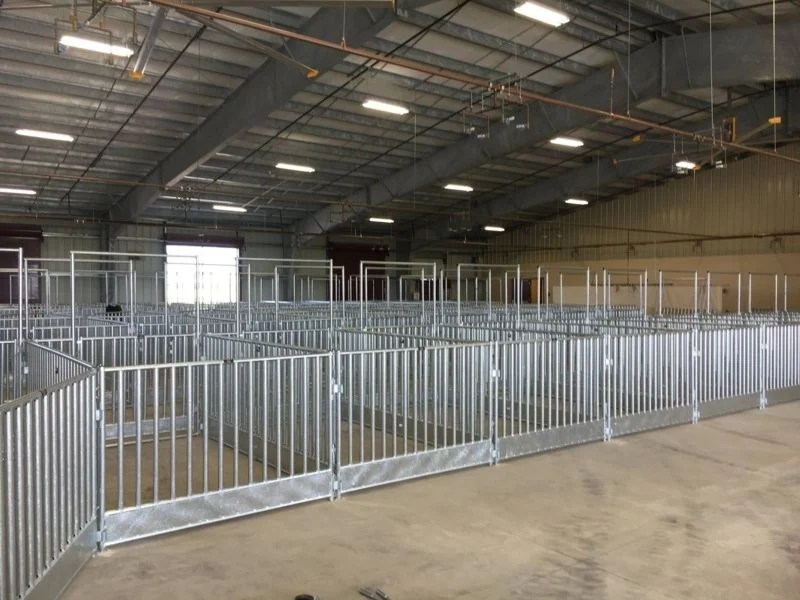
Fences hold critters in, true. Yet their real role? Guiding how work unfolds across the land. Herds move easier when paths are set by posts and wire. Efficiency creeps into every corner of the field because of it. Calm settles into animal behavior too – knowing where the edge lies makes actions repeatable. Day after day, season after season, that structure fades into habit. A solid fence just blends into the background of doing what needs doing.
Controlling Animal Movement
Fences doing their job keep animals out of places they shouldn’t be. That way, ranchers decide which spots herds move through. Cows stay clear of roads, crop areas, and neighbors’ property.
When creatures stick to certain spots, people spot issues sooner. Because movement is slow, watching behavior becomes simpler. This way, sorting out unwell ones gets less messy. Feeding schedules too turn more predictable, just by keeping things steady.
Protecting animals from wild predators and thieves
Firm fences guard against loss once darkness falls. When livestock earn their keep, protection makes each upright a quiet kind of bank.
Fences hold their ground as trouble comes close, shielding sheep from dogs or stray animals. Where dangers creep in silence, a solid wall can make loss less likely. Theft by people drops too, if fences show they are built tough and hard to pass.
Supporting Rotational Grazing
Fences make it possible to guide animals where needed. Moving creatures step by step beats letting them stay frozen in place.
Pasture that bounces back strong tends to yield better down the road. Grazing done right leads to quicker animal gains, even without added feed. Following a steady plan cuts future costs on extras. Over years, richer soil lifts what farms can deliver.
Enhancing Farm Organization
Fences quietly keep things running on a farm. Since there are divisions, breeding areas sit away from feeding zones. A separate section opens up for rest, simply because walls cut across space.
Starting clean often means fewer hiccups down the road for busy farms. When goals climb, small habits like order suddenly carry weight. Spaces split clearly? That cuts steps – people move faster when paths are obvious.
2. Types of Cattle and Sheep Fences
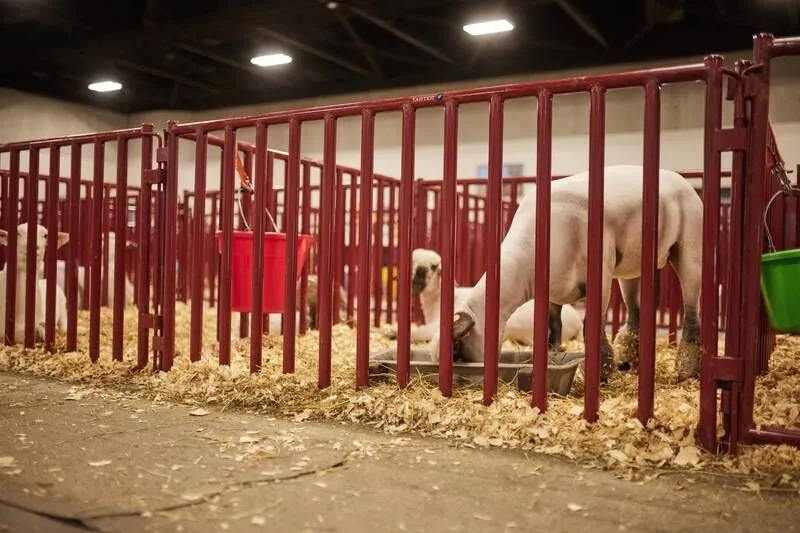
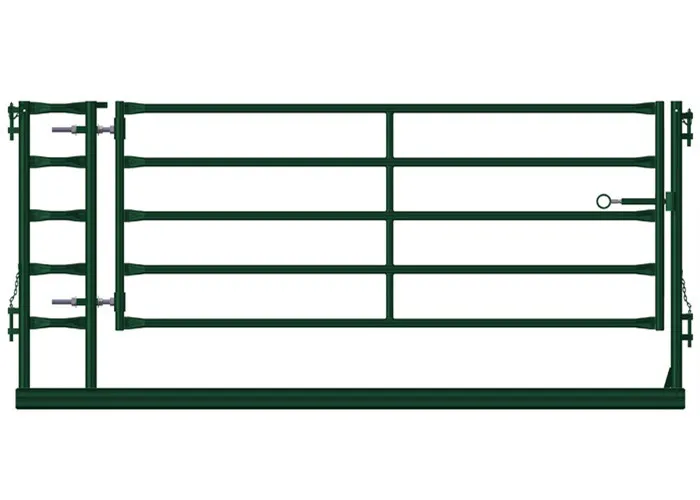
A fence choice depends on your animals, budget, land layout. Though good for cows, one type may fail with sheep. Where terrain slopes, certain styles work better even if price jumps at first. Rain or sun exposure changes things too – some build materials weaken quicker out there.
Barbed Wire Fences
Sharp-wire fences usually keep cows where they should be. Set up without much cost, these barriers do their job over large pastures.
Sharp barbs on fences often scare animals off just by looking at them. Even so, sheep may struggle as their wool catches without warning. When frightened, livestock sometimes get hurt near these tight wires.
Woven Wire Fences
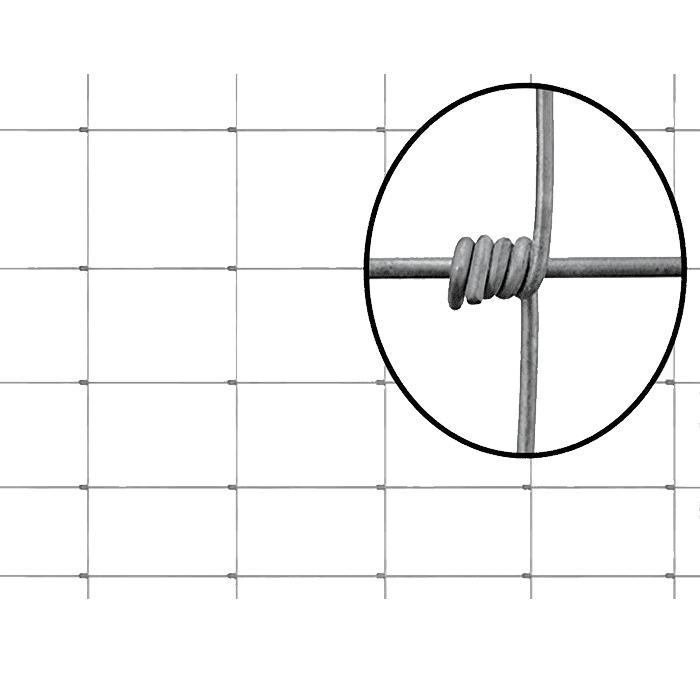
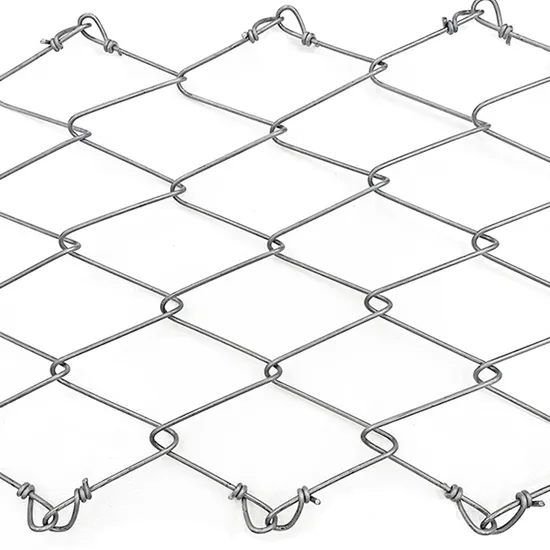
Fences built from woven wire hold sheep safely inside. With threads packed tight, tiny animals find no gap to slip through.
Fences keep animals out pretty effectively in this spot. Pricier to install compared to barbed wire, true. Still, they usually last so long the extra cost fades over time.
Electric Fences
Folks are spotting fences that zap a little more than before. When animals touch them, they feel a sudden tickle – just enough to say stop. These jolts guide critters without harm, shaping paths they’ll avoid next time.
This fencing choice saves money while being simple to install. Yet when maintained well, it works fine for cows just like for sheep. Still, frequent inspections are needed because problems spread fast if ignored.
High-Tensile Wire Fences
Firm wire woven into fences resists pressure without giving way. Once set in place, their durability means fewer repairs down the line.
Fences like these often go hand-in-hand with electric systems. Their structure allows toughness to balance flexibility. Where big fields stretch out, they hold up – especially when long-lasting build matters most.
Wooden Rail Fences
A wooden fence stands strong through years, still keeps its charm. Around smaller farms they appear now and then, sometimes near houses too.
Even so, they come with high prices and demand constant maintenance. On sprawling ranches with large groups of animals, performance tends to lag. Exposure to storms might weaken them fast, while tiny wood-eating bugs slowly eat away support.
3. Differences between Cattle and Sheep Fences
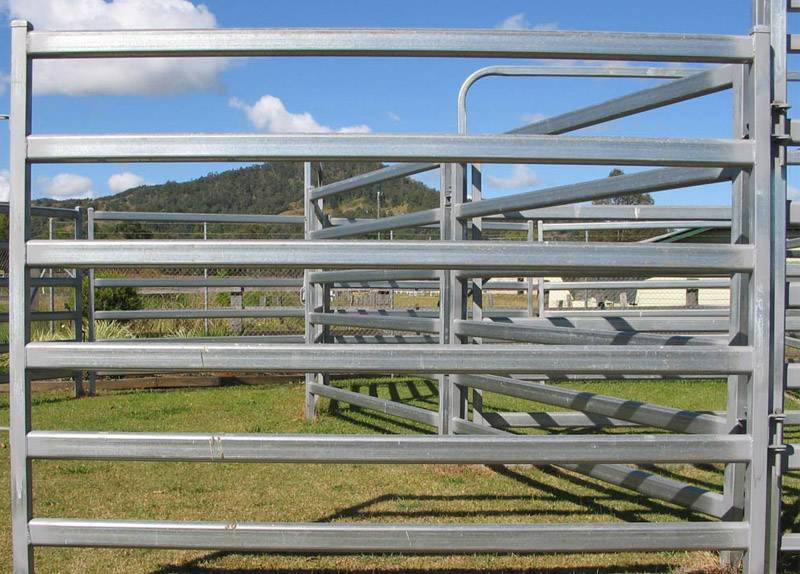
Fences that work for cows can fail when sheep are nearby. Since animals differ in strength and habits, their barriers must too. When designs ignore these traits, breaks happen more than expected.
Size And Strength Requirements
Built sturdy, cows carry immense power. Should they press forward, any fence in their way needs to stand firm – no give at all.
Fleet on their feet, sheep squeeze through tight gaps even though small. Not strong, yet quick enough to turn that shortcoming into an advantage.
Behavior And Movement Patterns
Fences take a beating when cows push against them looking for fresh grass. That’s why toughness matters – without it, the whole thing might give way when tested.
Fences must have narrow openings along with a lower border close to the ground since sheep often slip under or push through loose spots. A nosy streak leads them straight to shaky sections.
Predator Risk Levels
Fence strength matters most near the ground, since that is where sheep spend their time. When threats come close, any soft area becomes a problem. Where animals are vulnerable, gaps invite trouble. Toughness has to be built right into the lower sections – anything less leaves risk standing open.
Fences near cattle? Not really meant to block dangers lurking outside. Their job tends to be more about holding the herd inside. Out here, predators rarely cause worry anymore. Because of that shift, what fences look like has shifted too. Containing animals now shapes their structure far more than fending off attackers.
Cost and Material Differences
Pricier fencing often shows up when keeping sheep, thanks to tighter wire spacing along with added bits. Cows? Their enclosures usually save money because posts stretch wider between each other.
What farmers choose today shapes tomorrow’s outcomes. A wrong pick could lead to tougher problems down the road. Smart choices at the start tend to lower expenses over time.
4. How to Choose the Right Cattle and Sheep Fences
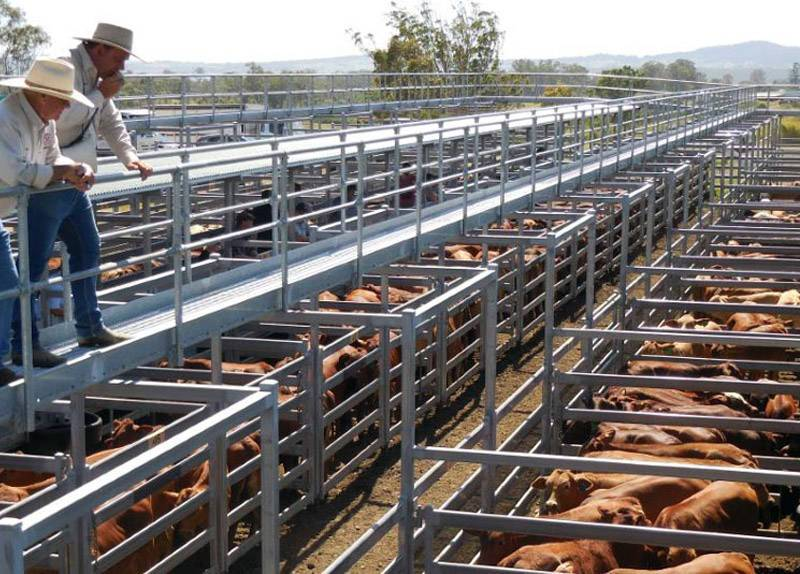
Fences demand planning before anything else. Not just price matters, but also how long they stand – that truth rests in solid construction. When livestock push against a weak line, flaws appear fast.
Understand Animal Needs
Start by counting every animal – get the numbers right, see each type. Since goats behave unlike chickens, their fencing needs won’t match either.
Fences built for quick sheep need strength that calm breeds wouldn’t require. Just like larger cattle, which tend to push limits more than smaller ones. When barriers fit how animals act, problems down the road fade away.
Farm Size and Layout Considerations
Fences across wide-open stretches usually favor cheaper options – spiky strands, perhaps stronger steel cables. Small patches of land take a harder line instead, sealing off tighter than most. A stretch that goes far picks cost-effective over strong. What’s compact chooses strength first, shutting out anything keen to squeeze through.
Fences change their game when the land gets rough. If the terrain decides to climb or dip, strong designs follow along – flexible ones stay standing. Sketching it out ahead means less guessing later on site. What starts clear ends quicker.
Evaluate Durability and Maintenance
Now picture how often you’ll need to fix a fence – some beg for attention every few months. Others just sit there, strong, year after year, barely needing a glance. Your free time matters when picking one that fits how busy your days really get.
Fences powered by electricity or built with tough wire generally need less money spent on them over time. While wooden ones, on the other hand, often require more frequent care. How people maintain their fences plays a big role in how long they actually hold up.
Budget Versus Long Term Investment
A cheaper fence could grab attention fast. Yet once it breaks, livestock stray – and suddenly costs rise.
A stronger barrier demands extra cash up front but saves down the road with rare fixes. Peace settles in once edges resist storms and wandering creatures. Tasks move easier if entrances remain closed without endless tweaks.
Safety Considerations
Fences need to keep animals safe, after all. A wire out of place can snag a leg or worse – slice skin open.
Fences that hold firm often succeed by staying soft in effect. Movement of animals becomes smoother when no one gets hurt along the way. The whole group feels calmer if the system avoids sharp shocks or sudden stops.
5. Can Cattle and Sheep Fences Be Used Alternately?
A few people working with livestock wonder if one kind of fence handles both cattle and sheep well. The answer depends mostly on construction details. Over-simplifying often results in poor performance.
Shared Fencing Works
Fence built once might hold cattle, sometimes even sheep too. One way to manage it? Combine barriers meant for larger beasts with tighter sections stopping smaller ones from slipping through.
A fence line humming with current usually works just fine. Though small enough for sheep to squeeze past, it blocks heavier creatures such as cattle. What matters most is getting that mix right.
When It Fails
Fences built for cows? They fail when it comes to holding sheep. Gaps wide enough mean escape is just a matter of moments.
Fences made for sheep can buckle when cows lean on them. Breaks show up regularly then, so repairs pile up week after week. Most blanket solutions stumble once they hit real ground.
Hybrid Fencing Solutions
Fences these days? They’re built from a blend of stuff. Alongside woven wire, you’ll spot those live wires stretched tight – kept firm by thick, rugged posts.
Right away, mixing systems makes sense since flexibility often cuts down on waste. With various livestock involved, such arrangements just line up – thanks to steady results across the board.
Farming Tips That Actually Help
Fences meant just for cows tend to fall apart once sheep join the mix. Money stays saved when planning happens early. Getting it correct at first leads to less fixing later.
Look at the fence closely before assuming it’s secure. Notice the way animals act near it – sometimes they find weak spots fast. Adjust little details while testing; initial setups often miss something. Gradual changes add up more than sudden fixes.
Conclusion
Fences decide whether animals remain inside or wander off, affecting how smoothly things run each day. The way they’re built tends to guide safety and lasting results across time.
Cows push. Sheep slip through. That’s why mixing up their fences leads to trouble. One size doesn’t fit both – no matter how sturdy it looks. What holds a cow may not stop a lamb on the move.
Fences come in many prices, though higher cost doesn’t mean better worth. The right choice lines up with your daily routines on the property, stands strong through seasons, while keeping livestock safe above all else.
Fences decide if livestock stick to their spots across fields. What works often gets overlooked until things go sideways. Fence strength quietly shapes daily routines behind the scenes.
 English
  Spanish
  Portuguese
  German
  French
  Italian
  Japanese
  Korean
  Russian