


Table of Contents
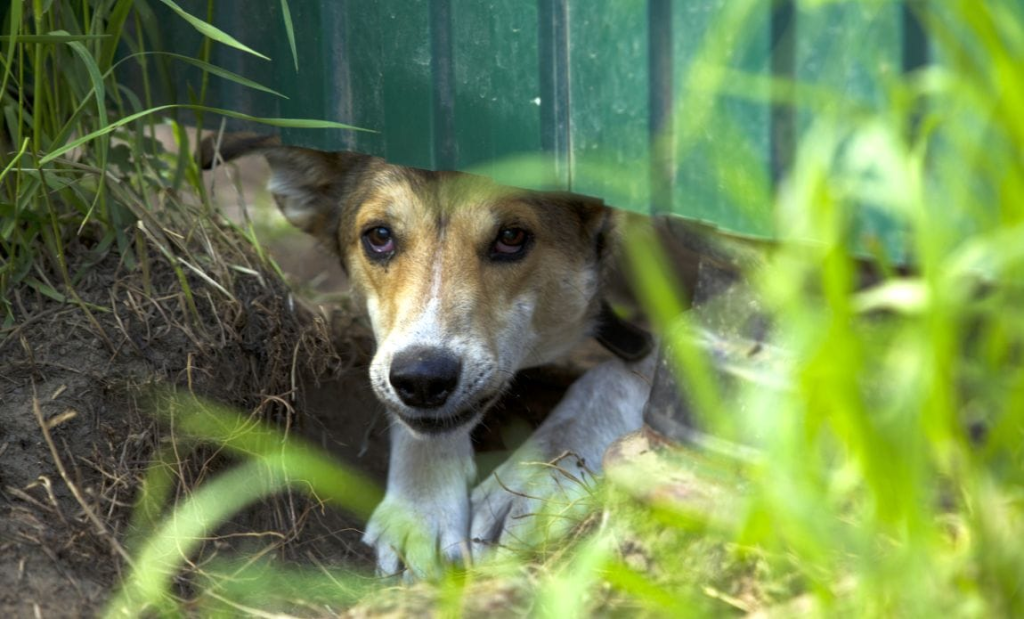
The problem of dogs digging under the fence is an ever-present issue with dog owners. This issue is prone to the repair of the fence several times. The digging caused under the fence also affects the boundary of the property. Moreover, the dog’s safety becomes a source of worry. In most cases, the dogs get access to the road or a dangerous area. The solution to the problem is essential in safeguarding the dog as well as the fence.
Taking care of this problem requires deeper knowledge of dog behavior, materials for fencing, and reinforcement strategies. Dogs dig due to reasons that can be empirically predicted and replicated. Fencing systems should be designed to resist pressure at ground level since this is where most failures usually occur. Behavioral management combined with a physical barrier makes digging problems disappear for the long term. A holistic approach always scores over quick fixes.
1. Why Do Dogs Dig Fences?
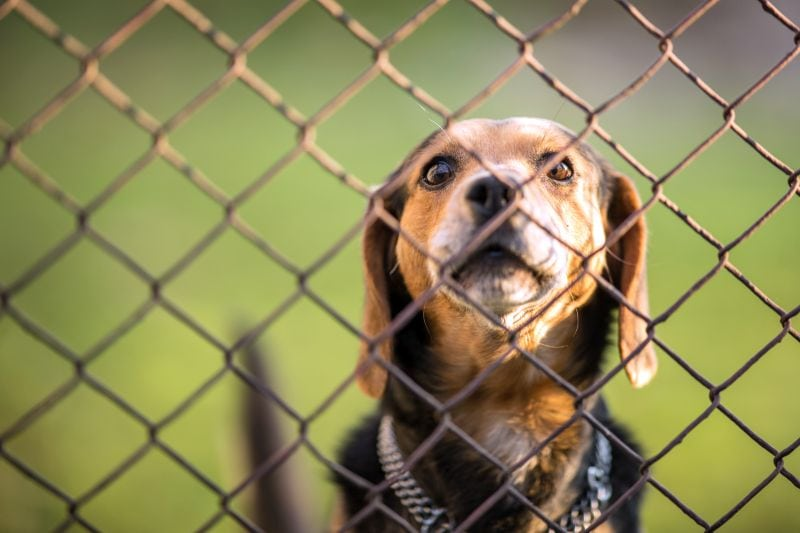
A dog digs under the fence because there is something driving him to dig. What may start off as curiosity can quickly escalate to becoming an escape route that he has learned. As soon as the dog gets out through the digging, the act gets rewarded. Every time he gets out, the dog gets more determined. Knowing the reason he is digging is the first step to putting an end to the act.
Failure to assess the cause for digging is usually followed by recurring failure in the fencing system. Repairing a fencing system without rectifying the cause of digging is bound to slow down but not fully halt the digging. In most cases, dogs dig until it is possible for them to escape. Behavior modification and preventive measures for digging should be undertaken concurrently.
Natural Digging Instincts
Digging is a natural canine behavior rooted in survival instincts. Dogs dig to cool themselves, hide food, or create comfortable resting areas. Loose soil along a fence line strongly triggers this instinct. Without underground resistance, dogs quickly learn that digging leads to freedom or stimulation. This natural behavior becomes a problem when fences are not designed to counter it.
Once a dog experiences success digging under a fence, repetition becomes inevitable. The fence base becomes a predictable target rather than a barrier. Over time, dogs refine their digging technique, making escapes faster. This pattern makes early reinforcement especially important. Preventing the first successful escape reduces long-term digging behavior significantly.
Breed-Specific Tendencies
Some breeds of dogs have a genetic predisposition for digging more aggressively compared to other breeds. Some of such breeds of dogs include Terriers, Huskies, Shepherds, and working breeds. These breeds of dogs have been known to dig with a lot of determination. This requires a fence that can resist such force. Normal domestic fences do not take such characteristics into account.
Breeds with strong digging tendencies need more robust fence foundations. Light materials and shallow fencing are no match. Pet owners, who disregard their animal’s nature, will be left with a repair bill and a possible escape artist. Breeds with strong digging tendencies need a fence that is as strong as their dog.
Energy Imbalance and Routine Issues
High-energy dogs dig as an exercise discharge. Inactivity for an extensive period enhances destructive patterns. When dogs dig due to inactivity, it becomes an alternative source for them. Even if the fence around the perimeter is sturdy, it tends to face more challenges from energetic dogs. Inactivity undoes the whole process of maintaining balance in dogs.
Environmental Factors Beyond the Fence
Dogs show great responses to external stimuli outside the fence boundary. Wildlife movement, neighbor pets, and other unusual sounds trigger the act of investigation. Fences permitting visual contact accentuate excitement and curiosity. Dogs dig as a way to chase, investigate, or attack strangers. External stimuli make fence boundaries highly energetic areas.
Stress, Anxiety, and Escape Attempts
“Anxiety-induced digging can be observed in dogs suffering from stressful situations, such as separation anxiety.” In anxiety-induced digging, the dog tends to dig to cope with the stressful situations rather than out of curiosity. Weakened areas of the fence are targeted by dogs suffering from stressful situations.
The dogs cannot escape easily if there is secure fencing, which is one factor that contributes to stopping the vicious cycle of anxiety and digging. If the dogs fail to escape, the behaviors will decrease in most cases. In addition, stability and routine contribute to the effect of improving the dogs’ behaviors. The dogs gradually become accustomed to the limits that they cannot overcome.
2. What Kind of Fence Material Can Effectively Prevent Dogs from Digging the Fence?
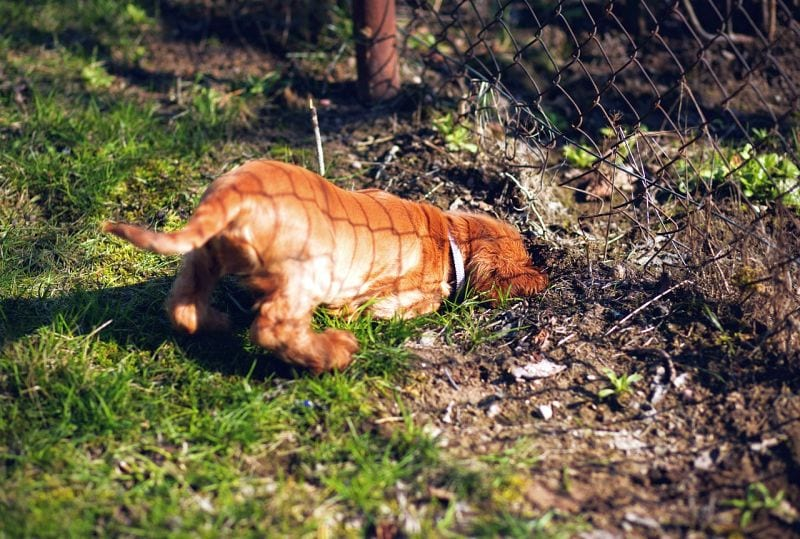
Materials of the fence serve as an important factor in coping with digging forces. Ground strength may be more important than the height of the fence. This is especially the case when the height of the fence is considerable but the strength at the base is not. Materials must be able to resist constant pressure as well as the movement of the earth. selecting the material properly is essential because failure may occur before reinforcement.
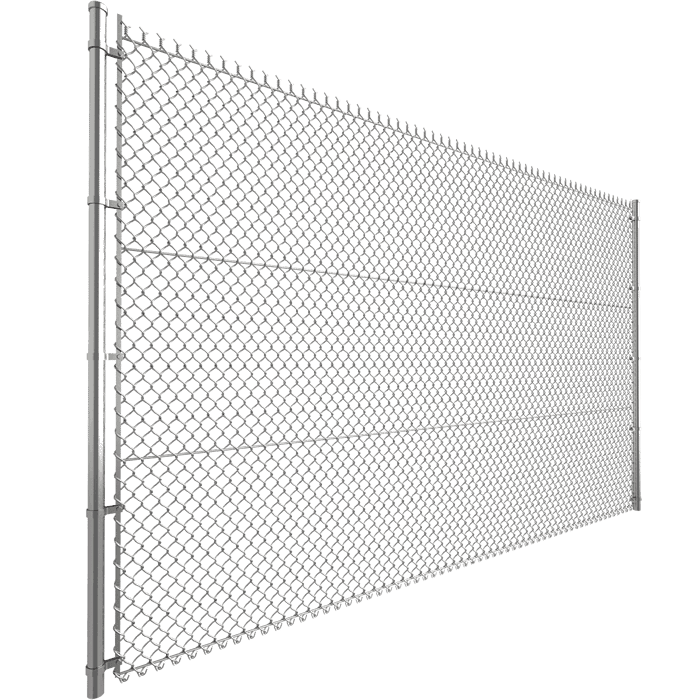
Chain Link Fencing
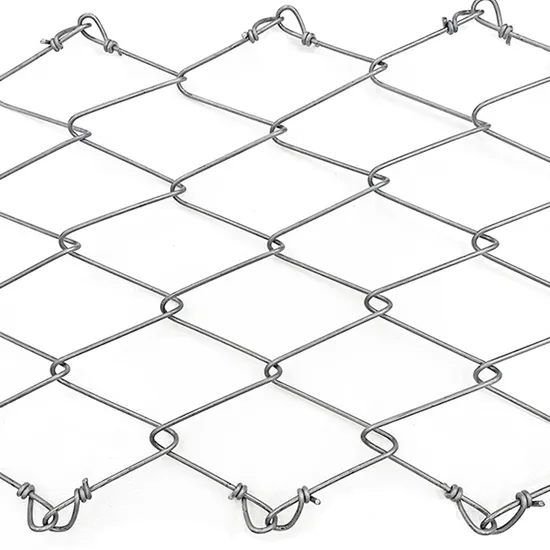
Chain link fencing works well in dog enclosures owing to its robustness and malleability. Chain link fencing can effectively distribute pressure without developing cracks or breaks. Additionally, the fencing can effectively resist soil displacement when buried. Dogs will find it difficult to dig under tightly installed chain link fencing.
The material ensures ease of visibility on the fence. The owner can be able to see if there are any damages or erosions.
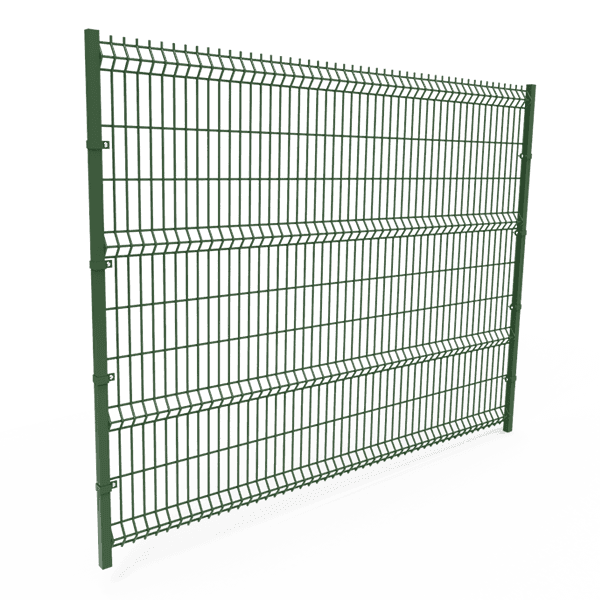
Welded Wire Fence Systems
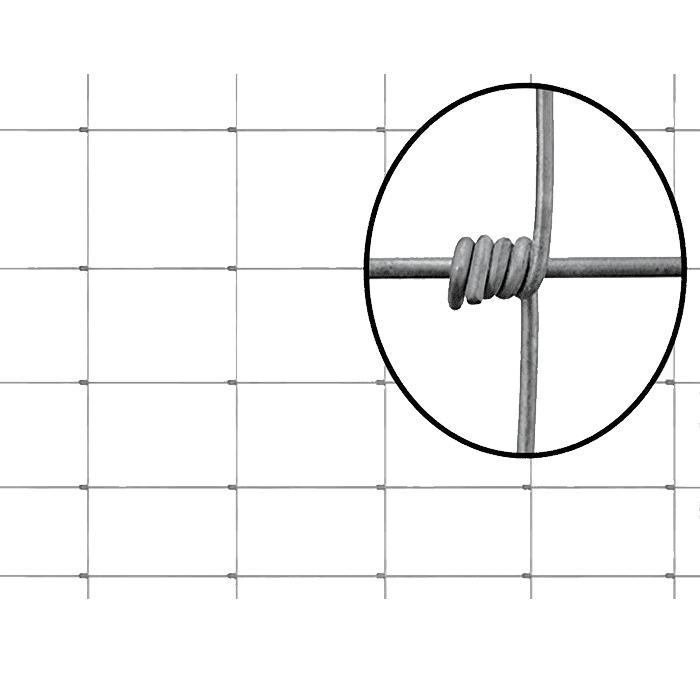
Welded wire fences have strong fixed points at which the wire does not bend easily. Dogs can’t pull or bend the wire. The fence does not bend regardless of how often pressure is applied to it. A uniform structure is one of its greatest strengths.
Welded wire works very well if buried the right way. Welded wire fencing can be used in dog kennels, dog enclosures, or dog facilities. Welded wire will help dogs stay within the boundaries with ease, with little maintenance. Welded wire will also work well for active or larger dogs.
Steel and Metal Panel Fencing
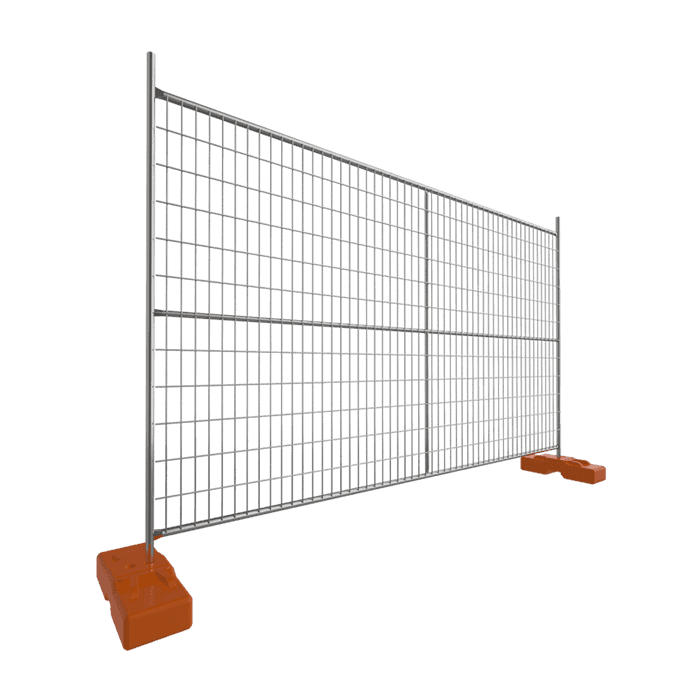
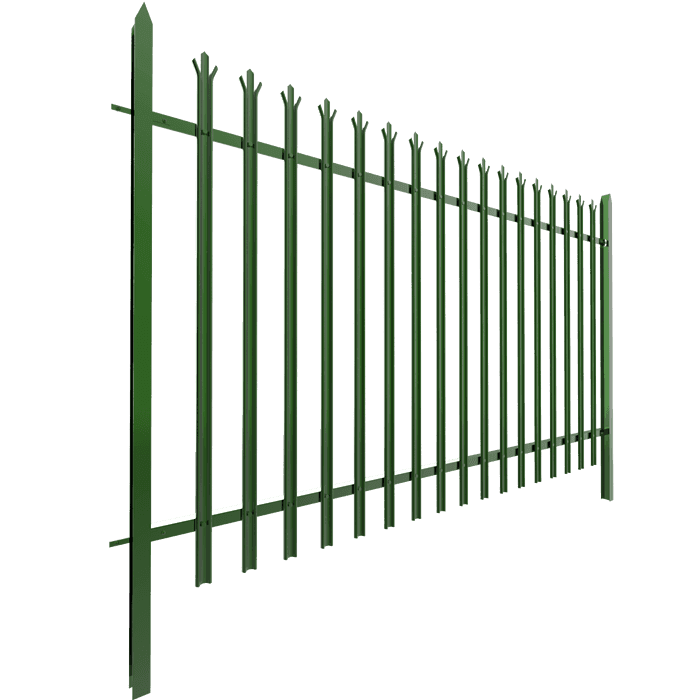
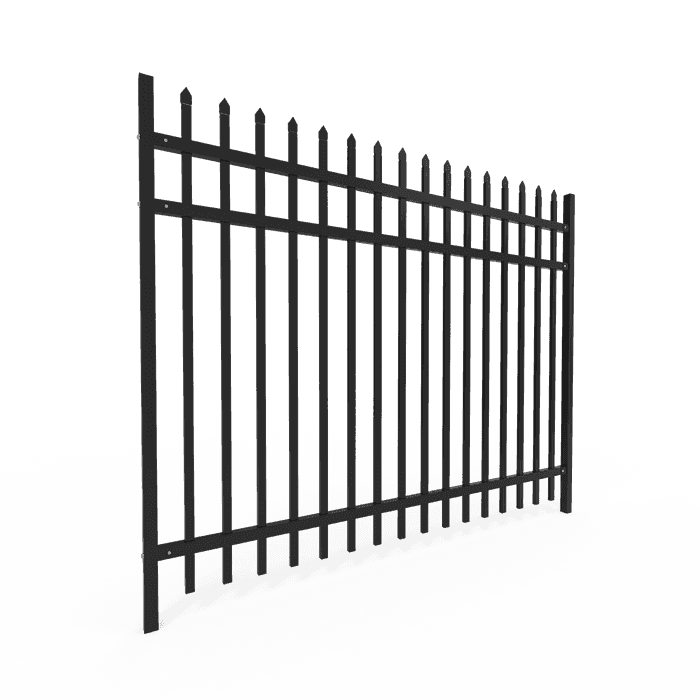
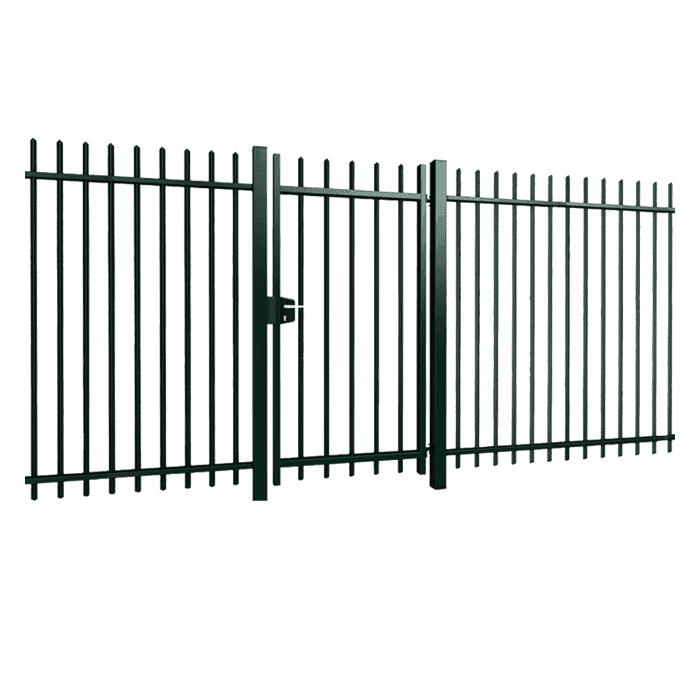
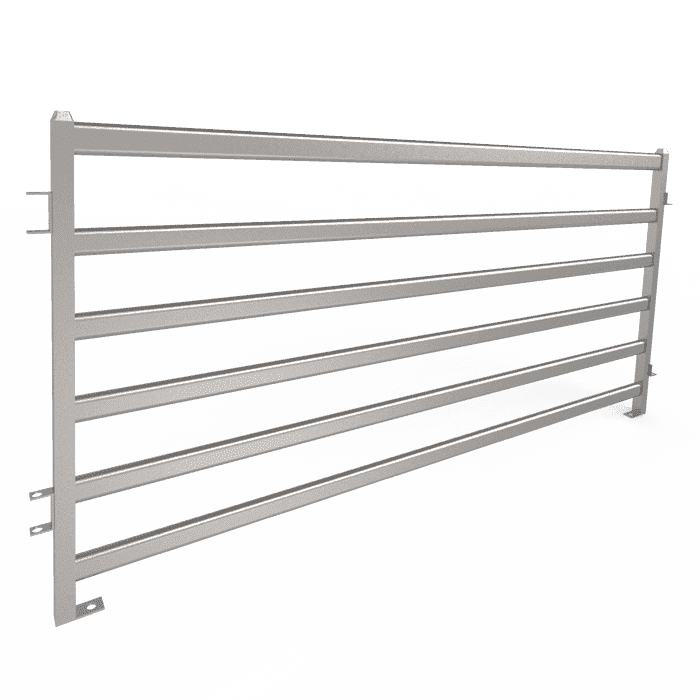
Metal panel fencing resists the most at the fence edges. There is also no weakness with solid fencing panels. Dogs cannot see or press against these types of fencing. Visual as well as physiological stimuli are lessened in this way.
While being costlier, metal fencing has the advantage of higher durability. It can withstand weather conditions, force, and touching again and again. Such fencing is the most effective in the case of escape-prone prisoners. It can thus prove to be an expensive solution for prisoner confinement.
Vinyl and PVC Fence Materials
Vinyl fencing is well liked for its crisp looks and the minimal maintenance that is needed. The downside is that it is rigid at the bottom. The absence of flexibility causes holes to develop at the bottom. The digging force can make the plastics curve upwards eventually.
Undergrounding is necessary in vinyl. Wire mesh or concrete footings can mitigate structural deficiencies. Reinforcement makes vinyl useful for its purpose as a containment barrier. There is not much benefit for it otherwise. Material selection has to correlate with its purpose.
Wood Fence Deficiencies
Wood fences give privacy. They have weaknesses at the bottom. Erosion causes the holes soon. This is especially the case when the area is damp. Dogs will utilize the holes easily. Wood will rot quickly when damp. Wood fences have weaknesses. These weaknesses develop as time passes.
3. How to Reinforce a Fence to Prevent Dogs from Digging Out?
Vinyl fencing is well liked for its crisp looks and the minimal maintenance that is needed. The downside is that it is rigid at the bottom. The absence of flexibility causes holes to develop at the bottom. The digging force can make the plastics curve upwards eventually.
Under-grounding is necessary in vinyl. Wire mesh or concrete footings can mitigate structural deficiencies. Reinforcement makes vinyl useful for its purpose as a containment barrier. There is not much benefit for it otherwise. Material selection has to correlate with its purpose.
Wood Fence Deficiencies
Wood fences give privacy. They have weaknesses at the bottom. Erosion causes the holes soon. This is especially the case when the area is damp. Dogs will utilize the holes easily. Wood will rot quickly when damp. Wood fences have weaknesses. These weaknesses develop as time passes.
L-Shaped Barrier Systems
L-shaped barriers intercept digging before it fans out. Dogs dig straight down around the outside of fences, not in an outward direction. The horizontal extension blocks any forward progress. This design frustrates the digging behavior. It stops tunneling at its beginning.
This system requires less material than deep vertical barriers. It is easier and quicker to install. The result is first-rate, at generally lower material costs. Efficiency makes the L-shaped system very popular in residential settings. The L-shaped systems give the best balance of performance and price.
Concrete Footings and Foundations
Concrete footings will provide a permanent containment solution. Digging in the areas where concrete is installed becomes impossible. It’s the best option for chronic or powerful diggers. It also stabilizes fence posts. There is a significant improvement in structural strength.
Regular Inspection and Maintenance
Weather and soil movement can expose gaps over time. Even reinforced fences require monitoring. Small issues grow quickly if ignored. Early detection prevents escape routes. Routine checks protect investment.
4. The Importance of Fences for Dog Safety
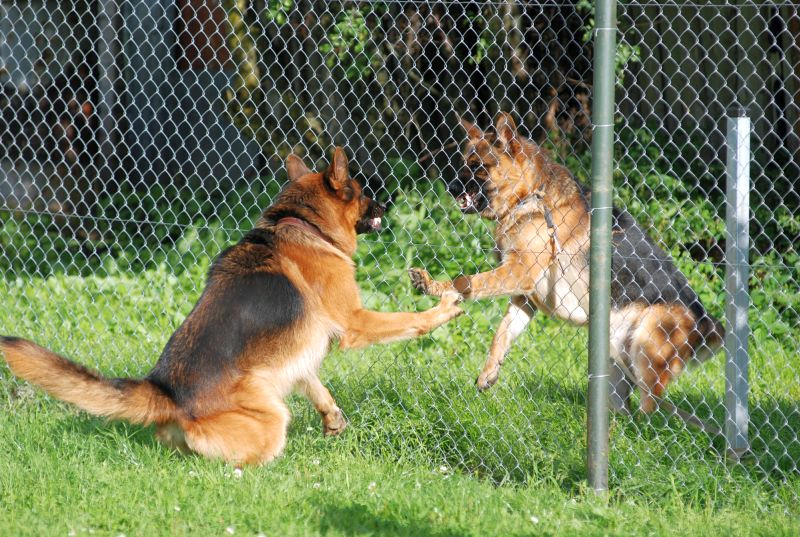
Fences serve as safety precautions and not just demarcation boundaries. They shield the dog against outside threats. Appropriate dog containment leads to the prevention of accidents. Designing the fence takes consideration of the comfort of the dog.
As the awareness grows, the demand from the buyer escalates for better containment methods. Functions under pressure are essential for the fence. Underground security becomes the norm. Pet security fuels advancements in the fence industry. Functionality overshadows beauty.
Traffic and Road Safety
The immediate dangers faced by escaped dogs are close to roads. There are unpredictable and deadly sources of danger from vehicles. The presence of a strong fence greatly minimizes these. A fence at ground level stops unexpected escapes.
Legal and Financial Liability
Many regions enforce strict pet containment laws. Escaped dogs can result in fines or legal action. Property damage increases liability exposure. Proper fencing reduces these risks. Compliance protects owners financially.
Demonstrating responsible ownership matters legally. Well-maintained fences show due diligence. Liability decreases with proper containment. Insurance concerns are also reduced. Fencing offers legal protection.
Psychological Comfort for Dogs
Clear boundaries reduce stress and confusion. Dogs feel safer within defined spaces. This comfort lowers escape attempts. Predictability improves behavior. Mental stability supports containment.
Industry Focus on Pet Safety
Fence manufacturers now design pet-specific systems. These emphasize depth, durability, and reinforcement. Pet fencing is a rapidly growing market. Safety features are no longer optional. Industry standards continue to rise.
5. Other Ways to Prevent Dogs from Escaping the Fence
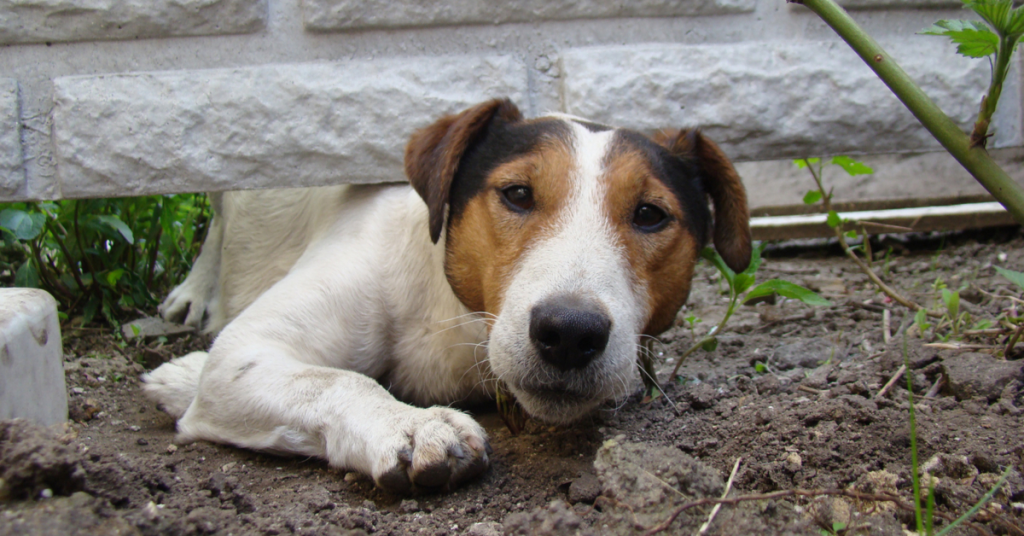
Fence systems perform best when paired with behavioral support. Physical barriers alone cannot address every motivation. Addressing dog needs reduces pressure on fences. These strategies improve overall success. Containment becomes a system, not a single solution.
Daily Exercise and Physical Outlet
Exercise reduces frustration and boredom. Active dogs are less likely to dig. Consistent physical activity improves behavior. Energy balance supports fence integrity. Exercise is preventive maintenance.
Dogs with regular outlets test boundaries less often. Physical exhaustion reduces persistence. Structured routines stabilize behavior. Fence pressure decreases significantly. Activity supports containment.
Mental Engagement and Training
Mental stimulation prevents boredom-driven digging. Training reinforces boundaries and expectations. Puzzle toys redirect focus productively. Engagement reduces escape attempts. Mental work is as important as physical activity.
Yard Comfort and Environmental Quality
water, and resting areas reduce stress. Comfort encourages dogs to stay contained. Environment matters.
A well-designed yard supports containment naturally. Dogs remain calm and satisfied. Stress behaviors decrease. Fence pressure drops. Comfort reduces motivation to escape.
Supervision and Behavior Monitoring
Observation helps identify problem areas early. Owners can reinforce targeted zones quickly. Supervision prevents repeated failures. Repairs are less frequent. Monitoring saves money.
Landscaping as a Deterrent
Dense plants discourage digging near fence lines. Thorny shrubs add physical resistance. Landscaping enhances visual appeal. It also strengthens containment. Natural barriers add protection.
Final Thoughts
Stopping dogs from digging out of a fence requires a comprehensive, well-planned approach. Understanding behavior, selecting proper materials, and reinforcing fence bases are essential steps. Modern fencing solutions focus on underground security, where most escapes originate. Physical barriers work best when paired with exercise, mental stimulation, and routine maintenance.


 English
  Spanish
  Portuguese
  German
  French
  Italian
  Japanese
  Korean
  Russian