


Table of Contents
Fire safety is becoming a serious concern for those who own homes. Wildfires, city fires, and accidents can cause flame dangers for homes. Currently, many persons are looking for a feasible means to protect their homes. A Fire Resistant Fence is a good solution.
Homeowners searching for fire fences want dependable protection rather than marketing claims. They worry about flames spreading from vegetation, neighbors, or outdoor equipment. Many also want solutions meeting regulations and insurance standards. A fire fence directly addresses these concerns.
This article explains fire fences from a homeowner’s practical perspective. It covers materials, protection methods, selection guidance, and maintenance practices. The purpose is to assist purchasing decisions with certainty. Safety, longevity, and value drive every category.
1. What Is a Fire Fence?
In forestry, fire fence is a kind of fence designed to be resistant to fire exposure. It restricts the spread of fire from one building to another or other threatened structures. They differ from other fences in that the materials used are resistant to fire or are not combustible.
Fire fences often support defensible space planning around homes. They help reduce combustible materials near buildings. This planning slows fire movement toward living areas. Fire fences strengthen overall fire prevention strategies.
Many fire fences also block airborne embers effectively. Embers cause many home ignitions during wildfires. A well-designed fence reduces ember buildup near walls. This significantly lowers ignition risk.
Fire fences still perform traditional fencing roles. They define boundaries, improve privacy, and enhance security. Homeowners do not sacrifice appearance for safety. Modern designs balance protection and aesthetics.
2. Common Materials for Fire Fences
Material types and choices decide the fire-resistance standards, strength, and levels of maintainability. Customers consider safety features, aesthetic values, and future expenses while making a purchase. Materials react differently to the effects of fire
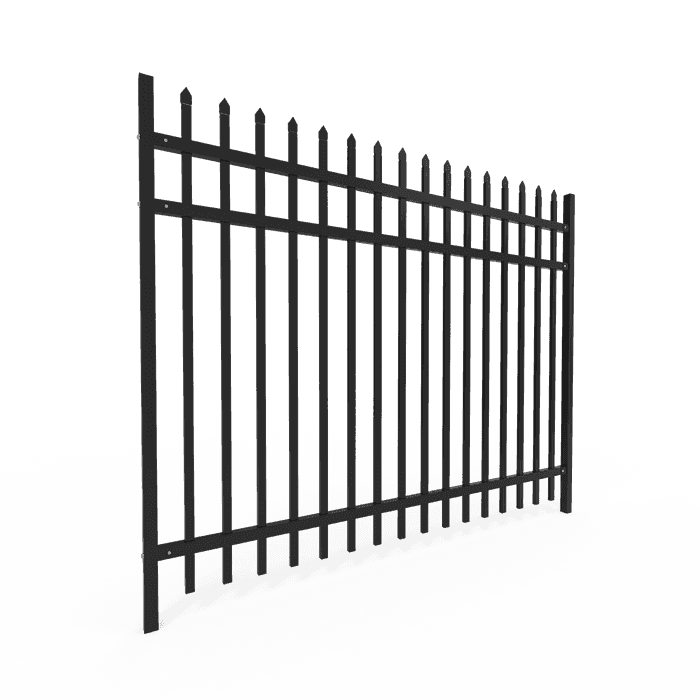
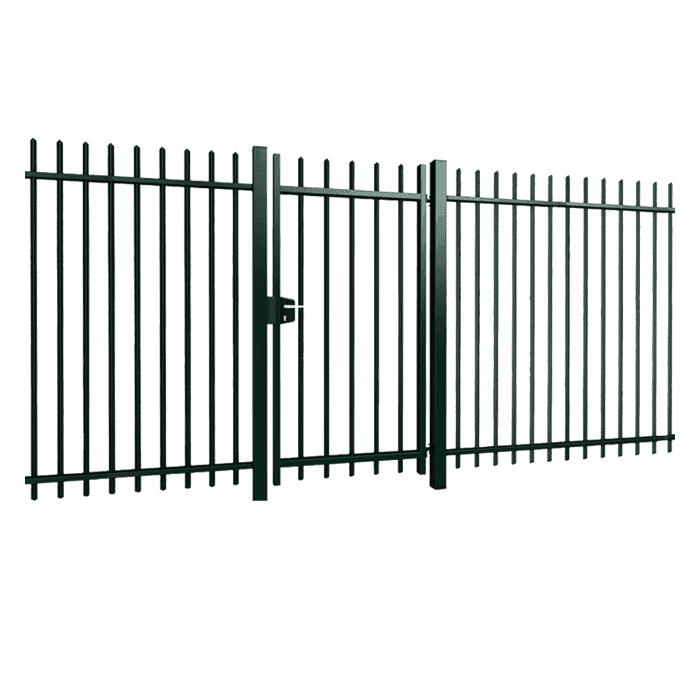
Metal Fire Fences
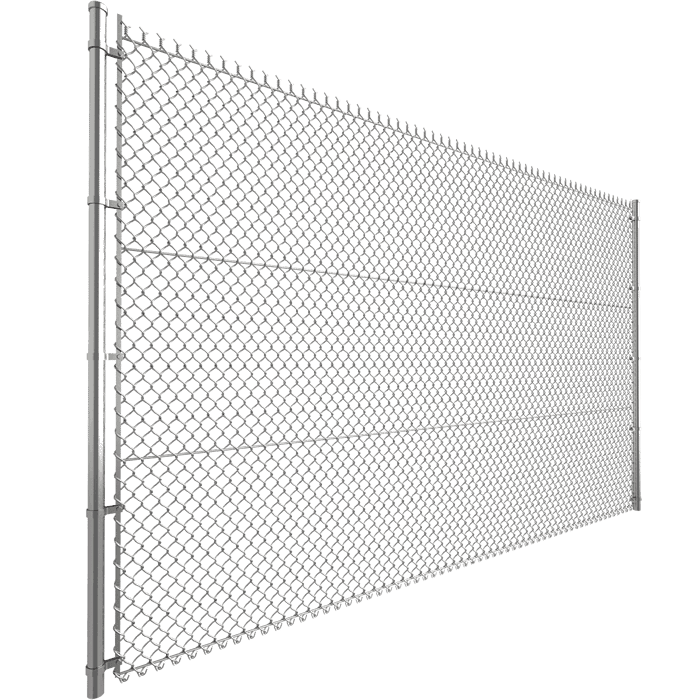
Metal fencing performs reliably in high-temperature environments. It does not ignite or contribute fuel to fires. This makes it suitable for wildfire-prone regions. Many safety authorities recommend metal fencing.
Metal fences maintain structural stability during fire exposure. They resist cracking, burning, or collapsing. This stability helps maintain property boundaries during emergencies. Structural integrity improves fire defense.
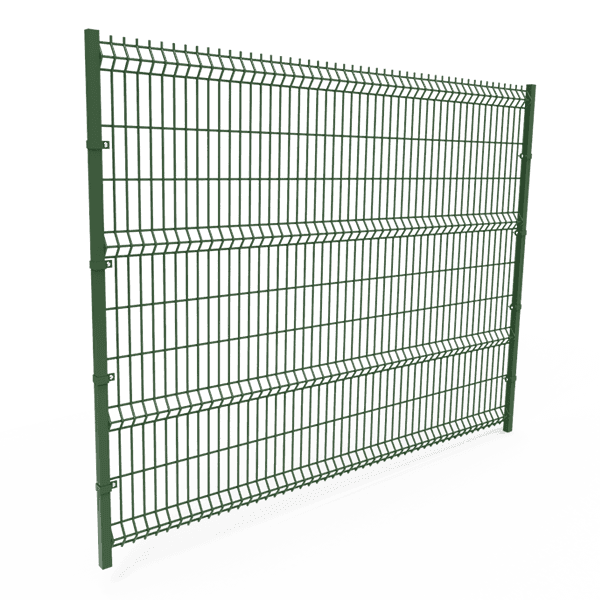
Steel fences provide excellent fire resistance. They withstand prolonged heat without failure. Steel performs well near vegetation and structures. Strength supports long-term safety.
Metal fencing also supports modern security designs. It integrates with gates and access systems. Fire resistance does not limit functionality. Safety and security work together.
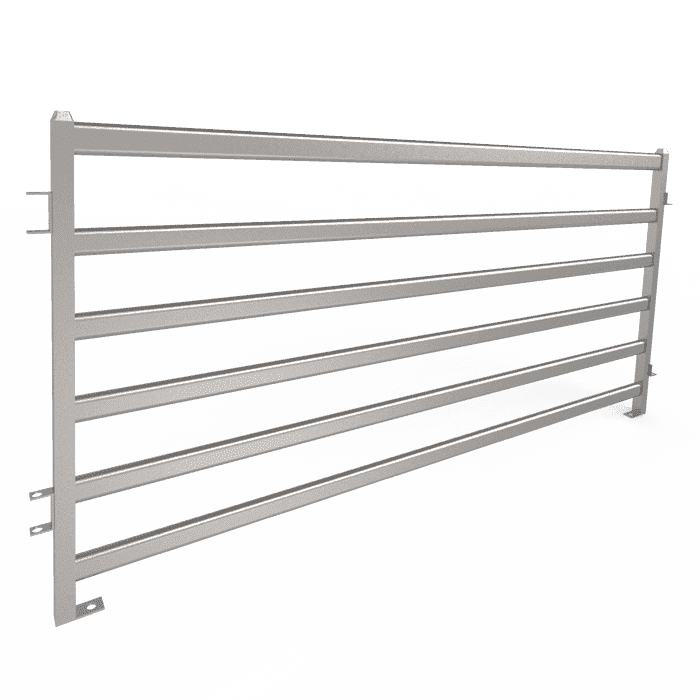
Galvanized Steel Fences
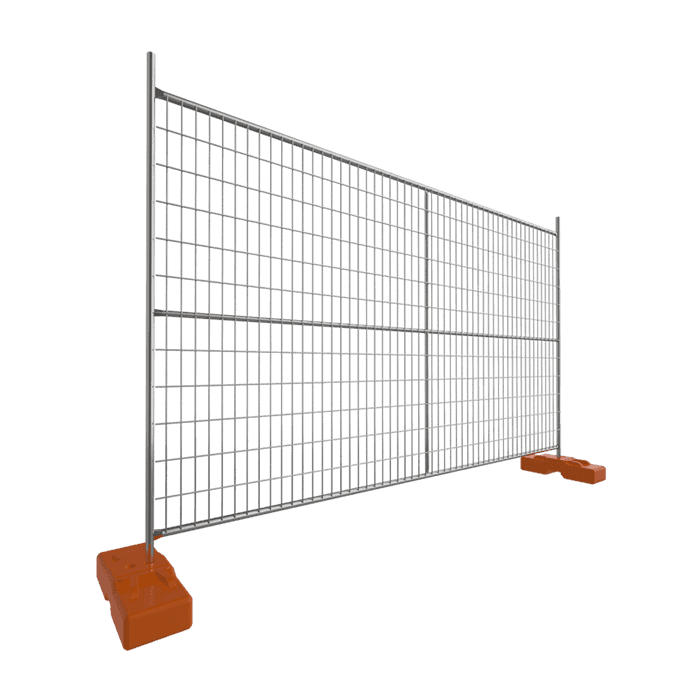
Galvanized steel contains a zinc layer. This layer safeguards the steel against water and oxidation. Corrosion resistance results in the increased lifetime of the fence. The lifetime enhances safety value. Galvanized steel is more expensive.
It is also good in humid conditions. Coastal and rainy areas would benefit a lot. It is a guarantee against rust, so fire resistance is ensured.
Maintenance needs are still minimal for galvanized steel. Periodic checks are usually necessary. Fire safety is still reliable.
It should also be noted that galvanized steel has retained its strength as well. This is because various coatings play their part in preventing degradation. Durability increases the return on investment. This is an attribute that customers appreciate.
Aluminum Fire Fences
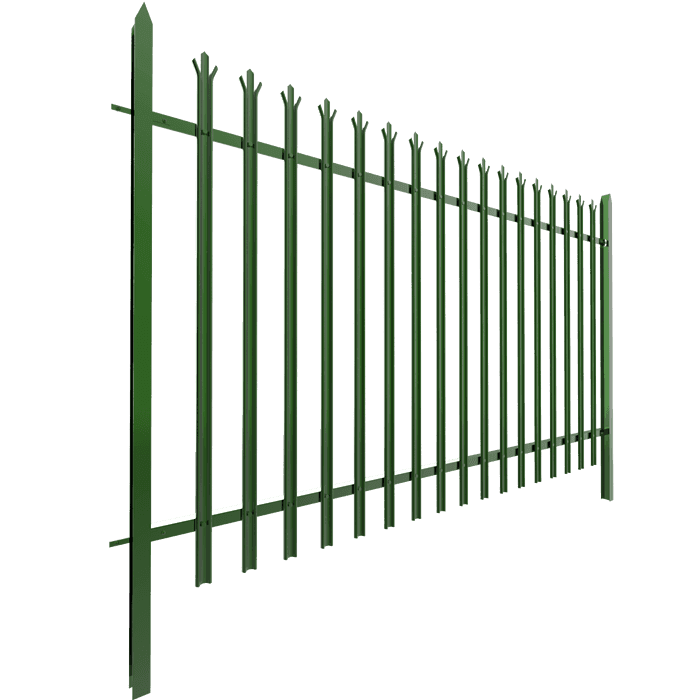
Aluminum fences offer fire resistance with lighter weight. Installation is faster compared to steel systems. Lower weight reduces structural load requirements. This simplifies planning.
Aluminum does not rust like steel. This benefits properties in wet climates. Reduced corrosion ensures stable performance. Maintenance demands remain low.
Aluminum fences resist ignition effectively. They do not contribute fuel during fires. This supports perimeter fire protection. Safety performance remains consistent.
Design flexibility attracts many homeowners. Aluminum supports decorative and modern styles. Appearance does not compromise fire resistance. Buyers gain both form and function.
Masonry and Concrete Fences
Masonry fences give excellent resistance to fire. Brick, stones, and concrete surfaces do not catch fire. Such surfaces do not melt. The substances efficiently protect against the radiant heat. The constructions gain excellent protection.
Concrete panel fencing is effective in prolonged fires. The material’s thermal mass is what slows down the transfer of heat. Concrete is non-combustible, thus making it safe for building ignition.
Masonry fences also resist ember penetration. Solid surfaces prevent ember lodging. Reduced ember accumulation lowers ignition chances. Perimeter safety improves.
Professional installation is usually required. Upfront costs are higher than metal fencing. Long lifespan offsets initial expenses. Buyers view masonry as long-term protection.
Composite Fire-Resistant Fences
Composite fencing blends synthetic materials with fire retardants. These additives slow ignition and flame spread. Performance depends on formulation quality. Buyers should review testing data.
Composite fences often resemble natural wood. This appeals to design-focused homeowners. Improved appearance encourages safety adoption. Aesthetic needs remain satisfied.
Fire performance varies across manufacturers. Certifications help identify reliable products. Verified ratings improve buyer confidence. Research is essential.
Composite materials may soften under extreme heat. Proper spacing reduces deformation risk. Installation quality affects performance. Planning ensures safety.
Fire-Treated Wood Fences
Fire-retardant wood contains chemical retarders, slowing its inflammability, though it does not prevent it from burning. Performance depends on methods used. Certification helps to alleviate doubts.
Weather exposure will break down the fire retardants over time. Rain and sunlight will erode the effectiveness of the retardants. Regular retreatment will be necessary to restore the protective effect. The need for
Fire-treated wood provides natural appearances. Fire-treated wood complements landscaping. Some homeowners find it appealing. Aesthetic value promotes its adoption.
However, treated wood needs to be handled carefully. It should not be in contact with any plants. It works better if properly maintained
3. How Fire Fences Protect Your Home?
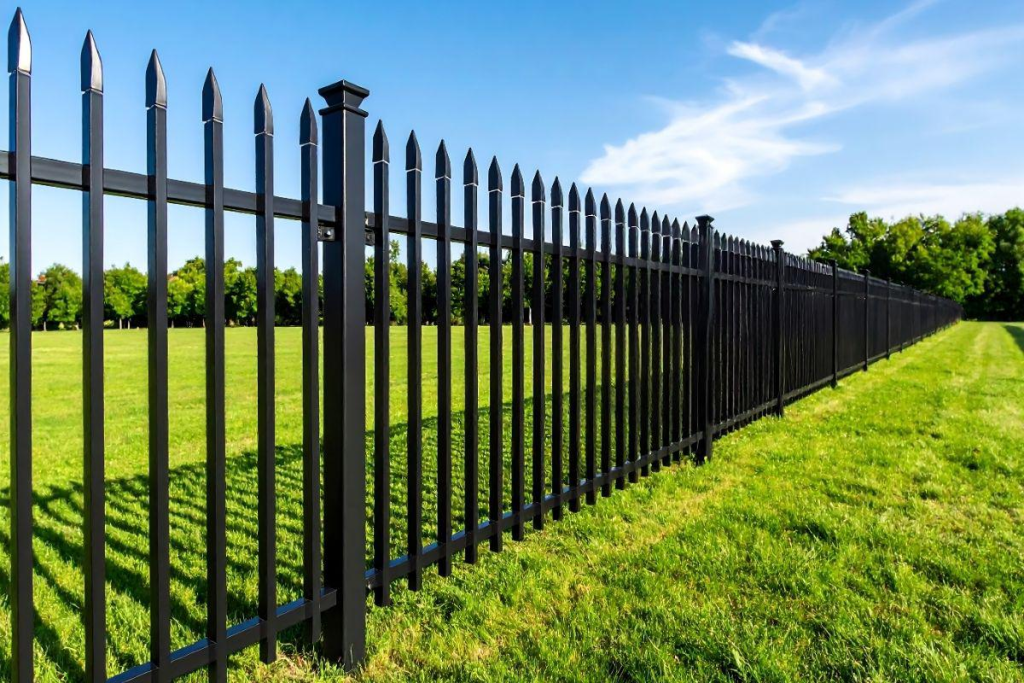
Fire fences protect homes through layered defense mechanisms. They block flames, reduce heat transfer, and control embers. Protection depends on material and placement. Integration improves results.
Blocking Direct Flame Contact
Fire fences interrupt flame pathways toward structures. They physically separate fire sources from walls. Reduced flame contact lowers ignition probability. Protection is immediate.
Barrier effectiveness depends on spacing. Adequate distance prevents flames reaching buildings. Design choices influence results. Planning improves protection.
Non-combustible materials resist direct flame exposure. They do not ignite or collapse. Structural stability remains intact. Fire spread slows.
Blocking flames also reduces surface damage. Exterior finishes last longer. Repairs decrease after fires. Protection preserves value.
Slowing Fire Progression
Fire-resistant materials slow fire advancement. Delayed spread provides valuable response time. Homeowners gain evacuation opportunities. Emergency response improves.
Reduced fire speed lowers heat intensity. Lower intensity limits structural damage. Buildings endure longer exposure. Survival chances increase.
Fire delay also supports firefighting efforts. Crews gain control time. Containment becomes achievable. Damage scope decreases.
Time gained protects neighboring properties. Fire does not spread rapidly. Community safety improves. Prevention benefits everyone.
Reducing Radiant Heat Transfer
Radiant heat ignites materials without flames. Fire fences reduce heat reaching structures. Dense materials absorb energy. Reflection lowers exposure.
Reduced radiant heat protects siding and windows. These areas ignite easily. Protection preserves envelopes. Structural integrity improves.
Metal and masonry perform especially well. They resist heat penetration. Performance remains consistent. Safety margins increase.
Lower heat exposure also protects landscaping. Plants ignite less easily. Fire intensity drops. Overall risk decreases.
Controlling Ember Travel
Embers cause many wildfire ignitions. They travel far in wind. Fire fences block embers near ground level. Accumulation decreases.
Solid fence designs prevent ember lodging. Less debris gathers near walls. Ignition risk drops. Prevention improves safety.
Blocking embers protects foundations. Hidden ignition points reduce. Fire spread slows. Homes gain resilience.
Ember control supports defensible space. Clean zones remain effective. Planning improves outcomes. Safety becomes layered.
Supporting Defensible Space Design
Defensible space reduces fire fuel availability. Fire fences define safe boundaries. Vegetation remains separated from structures. Fire spread slows.
Fences guide landscaping decisions. Homeowners maintain clear zones. Safer layouts develop. Risk decreases.
Integrated design improves fire resilience. Fence placement supports planning. Fire behavior becomes predictable. Control improves.
Defensible space also aids inspections. Compliance becomes easier. Insurance reviews improve. Safety gains recognition.
Preventing Fire Spread Between Properties
Dense neighborhoods face rapid fire spread. Fire fences slow cross-property ignition. Barriers interrupt flame transfer. Damage limits improve.
Property separation reduces heat exposure. Structures remain independent. Fire containment improves. Risk decreases.
Fire fences protect neighboring homes. One safe property supports others. Community resilience strengthens. Losses reduce.
Collective safety improves insurance outcomes. Neighborhoods appear lower risk. Prepared communities recover faster. Prevention benefits all.
4. How to Choose a Fire Fence?
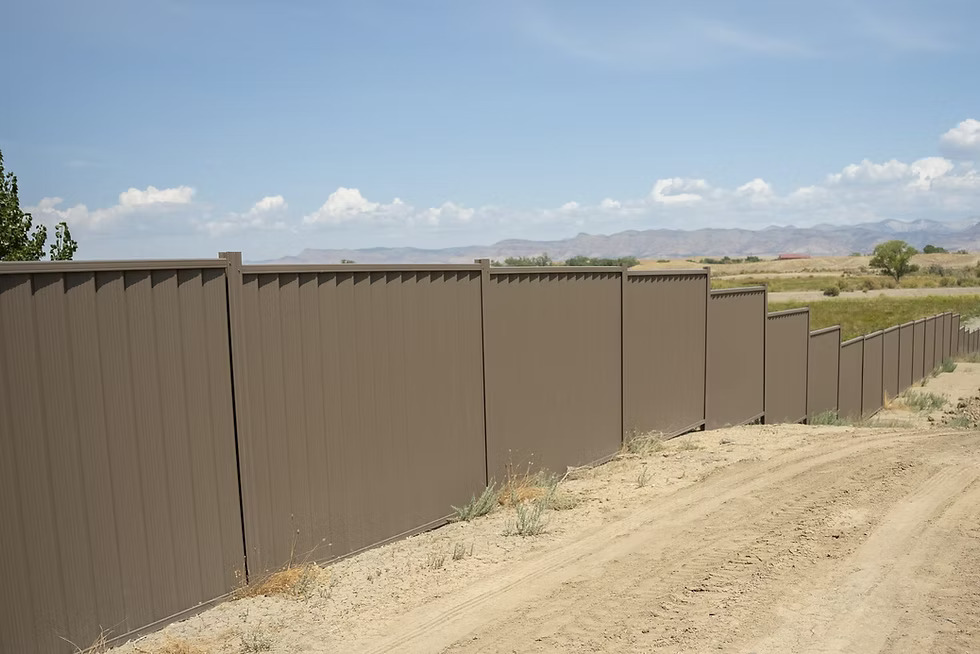
Choosing a fire fence requires careful evaluation. Homeowners balance safety, compliance, and cost. Thoughtful selection prevents mistakes. Each property is unique.
Evaluating Local Fire Risk
Local fire history reveals exposure levels. Vegetation density increases risk. Wind patterns affect spread. Assessment guides decisions.
High-risk zones need non-combustible materials. Lower-risk areas allow flexibility. Matching risk improves effectiveness. Overprotection is avoided.
Terrain also affects fire behavior. Slopes increase flame speed. Fence placement matters. Planning supports protection.
Risk awareness improves long-term safety. Decisions align with reality. Protection becomes intentional. Outcomes improve.
Understanding Building Codes
Local codes regulate fire fencing materials. Some regions ban combustible fences. Compliance avoids penalties. Research saves time.
Fire zones often require certifications. Approved materials ensure legality. Inspections proceed smoothly. Documentation matters.
Ignoring codes leads to removal costs. Redesign wastes money. Early compliance protects investment. Planning prevents frustration.
Authorities update rules regularly. Staying informed is essential. Professionals assist with compliance. Expertise saves effort.
Insurance Considerations
Insurers assess fire mitigation features. Fire fences improve eligibility. Safer properties face fewer restrictions. Coverage stability matters.
Documentation supports policy approval. Risk reduction lowers premiums. Some insurers reward mitigation. Financial benefits follow.
Insurance reviews often include fencing. Fire resistance improves ratings. Claims process becomes smoother. Preparation pays off.
Insurers prefer defensible space measures. Fire fences support compliance. Approval chances increase. Security improves.
Balancing Budget and Lifespan
Fire fence costs vary widely. Durable materials cost more initially. Longer lifespan offsets expense. Value improves.
Cheaper options need frequent replacement. Maintenance costs add up. Lifetime cost becomes higher. Planning avoids waste.
Budget planning should include upkeep. Maintenance affects total cost. Durable fences save money. Protection remains consistent.
Investing wisely prevents future regret. Safety upgrades hold value. Homes benefit long-term. Spending becomes strategic.
Aesthetic and Property Value Impact
Fire fences now offer attractive designs. Safety no longer limits appearance. Modern styles suit homes. Appeal improves.
Curb appeal affects resale value. Visible safety upgrades attract buyers. Confidence increases. Value rises.
Design consistency matters. Fence matches architecture. Visual harmony improves perception. Buyers notice details.
Aesthetic fencing encourages adoption. Safety feels approachable. Homeowners invest willingly. Protection spreads.
Installation Quality and Expertise
Proper installation ensures fire performance. Incorrect spacing reduces effectiveness. Skilled installers follow standards. Experience matters.
Anchoring affects structural stability. Secure fences resist collapse. Fire exposure tests strength. Installation determines outcome.
Professional installers understand regulations. Compliance becomes easier. Inspections pass smoothly. Errors reduce.
Quality installation protects investment. Performance remains reliable. Safety depends on workmanship. Expertise delivers results.
5. How to Do a Good Job in Daily Maintenance of Fire Fences?
Maintenance preserves fire resistance and durability. Neglect compromises safety. Simple routines prevent failures. Consistency ensures reliability.
Routine Visual Inspections
Visual inspections reveal early damage. Corrosion weakens fire resistance. Cracks reduce strength. Early repair matters.
Monthly checks establish habits. Consistency improves safety. Small issues stay manageable. Costs remain low.
Inspections should follow storms. Weather causes damage. Quick review prevents escalation. Awareness protects.
Documentation supports maintenance planning. Records track changes. Trends become visible. Decisions improve.
Debris and Fuel Removal
Debris fuels fire spread easily. Leaves ignite quickly. Removing fuel reduces risk. Clean areas protect.
Wind increases debris buildup. Regular cleaning is essential. Seasonal schedules help. Safety improves.
Fuel removal supports defensible space. Clear zones remain effective. Fire spread slows. Protection strengthens.
Neglect allows buildup over time. Risk increases silently. Maintenance prevents surprises. Vigilance matters.
Metal Fence Maintenance
Metal fences need corrosion prevention. Rust weakens structure. Coatings extend lifespan. Maintenance preserves resistance.
Cleaning removes harmful contaminants. Inspections reveal coating damage. Repairs prevent spread. Integrity remains.
Environmental exposure accelerates wear. Coastal areas need attention. Routine care improves durability. Safety stays reliable.
Neglected metal fails faster. Repairs become costly. Prevention saves money. Care protects investment.
Masonry Fence Care
Masonry cracks under stress. Heat worsens damage. Early repairs prevent collapse. Stability matters.
Mortar joints require inspection. Weak joints fail first. Repointing restores strength. Integrity improves.
Professional inspections detect hidden issues. Structural assessment adds confidence. Repairs ensure safety. Performance remains high.
Maintenance preserves appearance and strength. Well-kept masonry lasts decades. Protection remains constant. Value holds.
Fire-Treated Wood Maintenance
Fire treatments degrade with exposure. Rain reduces chemical strength. Retreatment restores protection. Scheduling matters.
Skipping retreatment increases ignition risk. Safety depends on discipline. Manufacturer guidance should be followed. Compliance ensures performance.
Inspections reveal fading treatment. Surface changes signal degradation. Action prevents failure. Awareness improves outcomes.
Proper care extends service life. Treated wood stays effective. Maintenance supports safety. Protection remains reliable.
Vegetation Clearance Management
Vegetation touching fences increases risk. Flames bridge through plants. Clearance disrupts pathways. Space saves structures.
Regular trimming maintains safe distances. Seasonal growth requires attention. Landscaping choices matter. Planning improves defense.
Fire-safe plants reduce ignition risk. Proper spacing improves airflow. Heat dissipates faster. Safety increases.
Clearance also supports inspections. Fence surfaces remain visible. Damage detection improves. Maintenance becomes easier.
Final Thoughts
A fire fence is more than a boundary feature. It is a critical fire protection layer. Homeowners search for Fence solutions that reduce real risk. Fire fences meet this need effectively.
Understanding materials, protection methods, and maintenance improves outcomes. Informed decisions protect homes, families, and investments. Fire safety requires planning and consistency. A well-chosen fire fence delivers lasting peace of mind.



 English
  Spanish
  Portuguese
  German
  French
  Italian
  Japanese
  Korean
  Russian